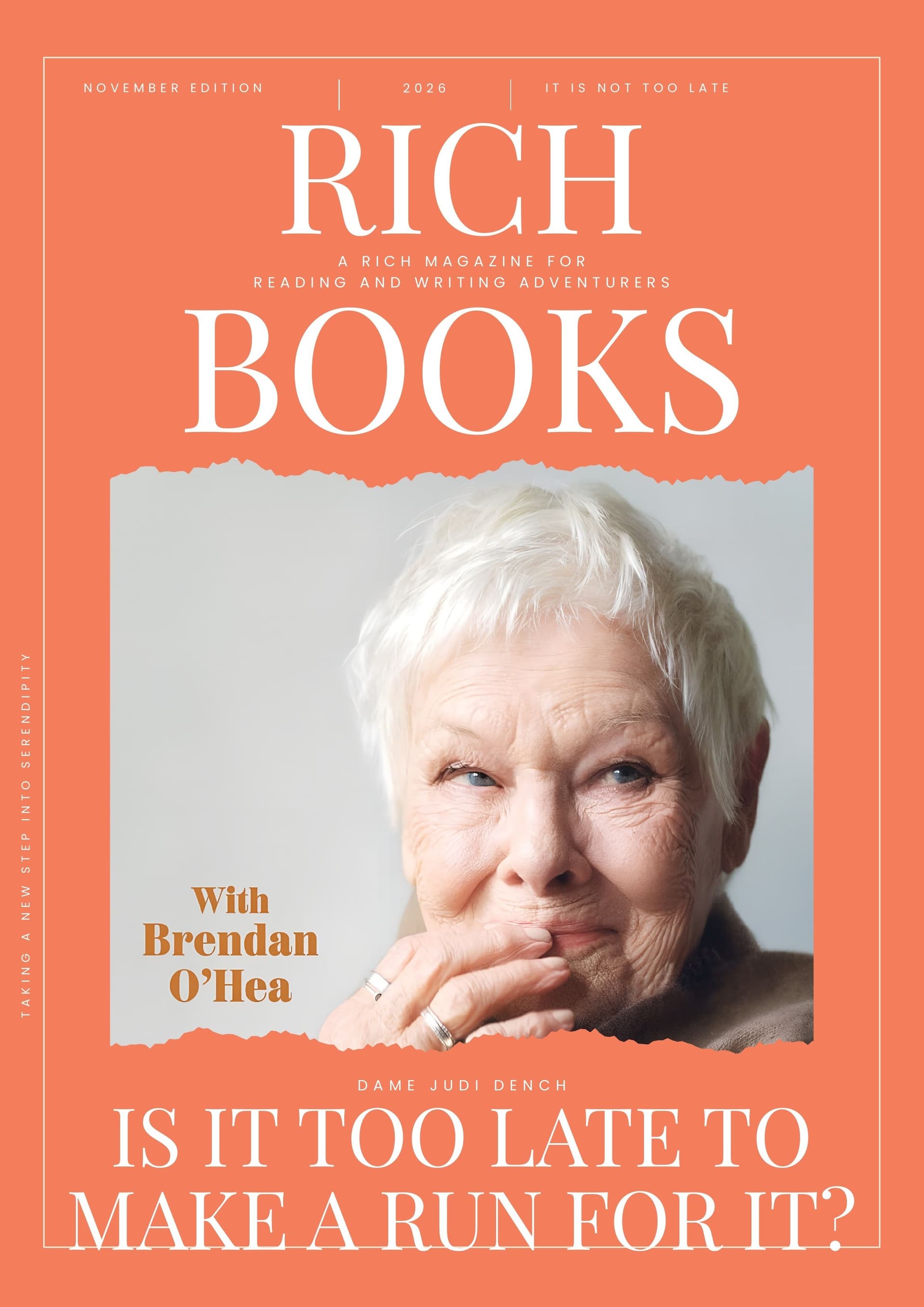
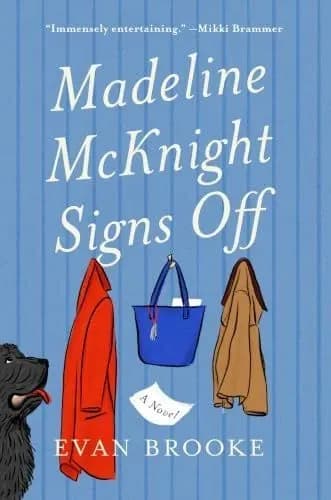
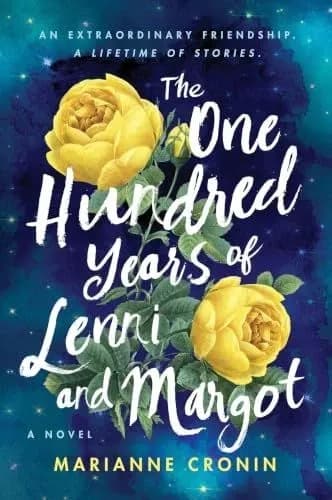
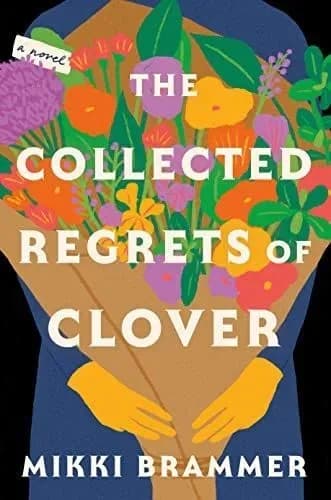
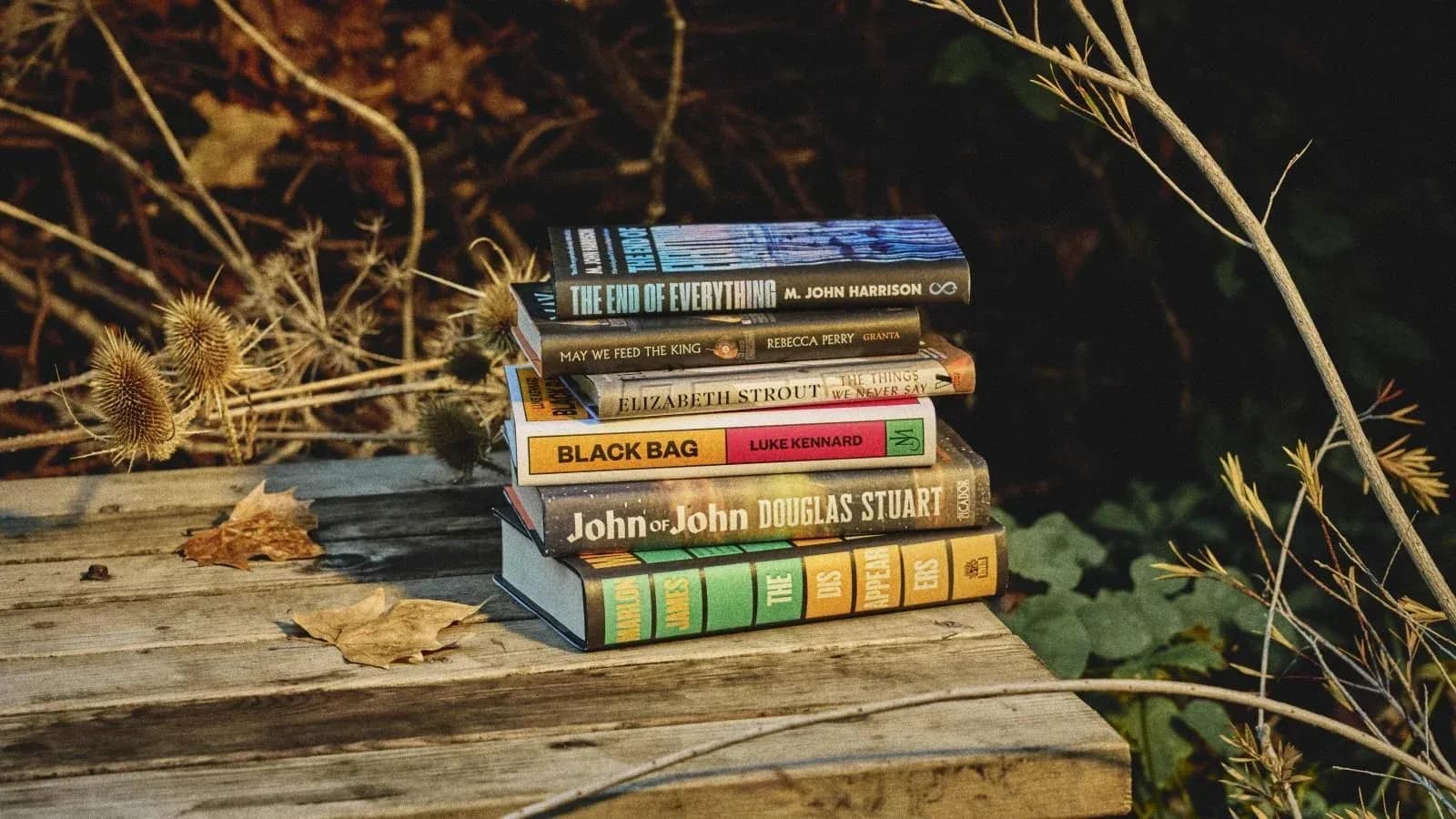
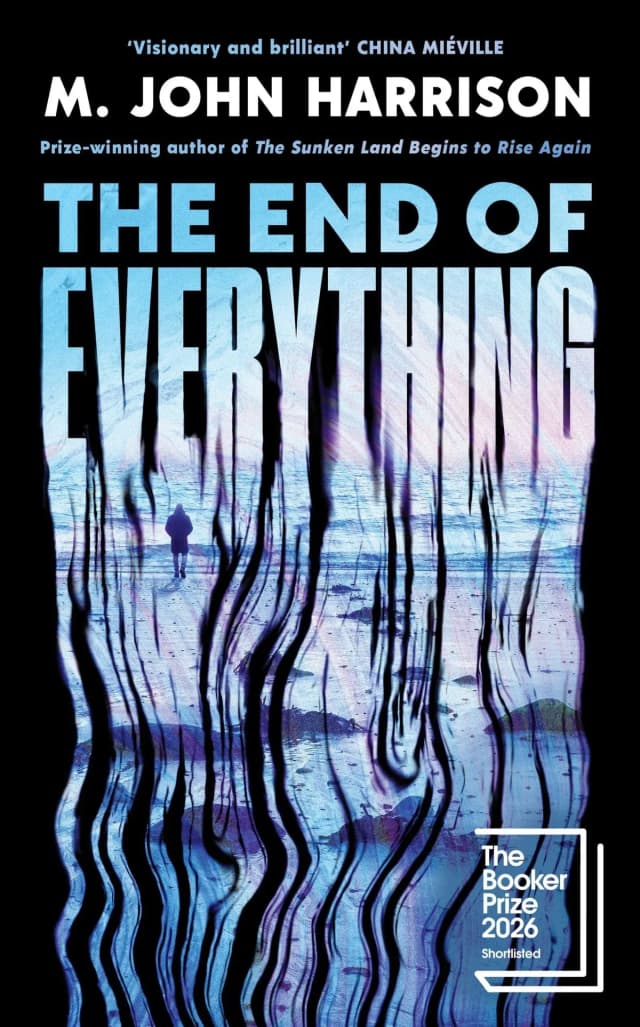
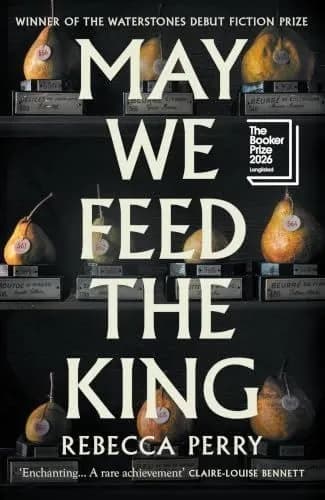
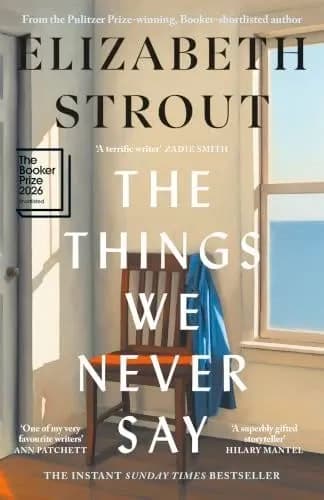
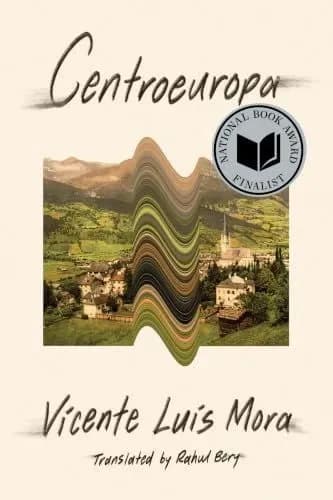
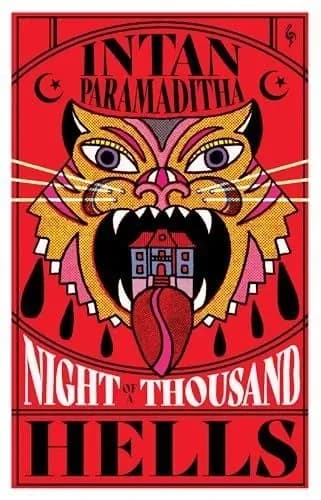
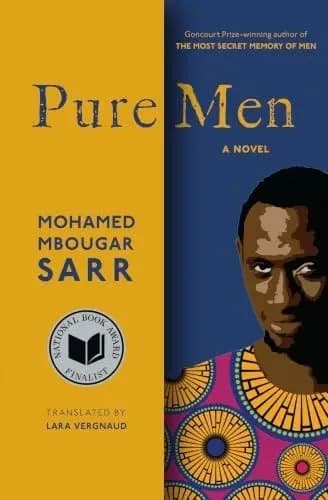
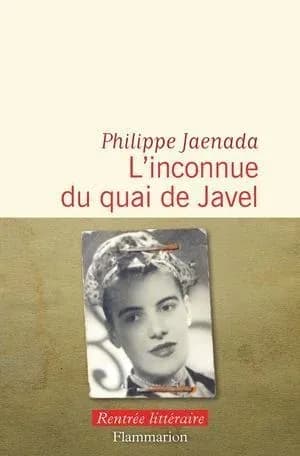
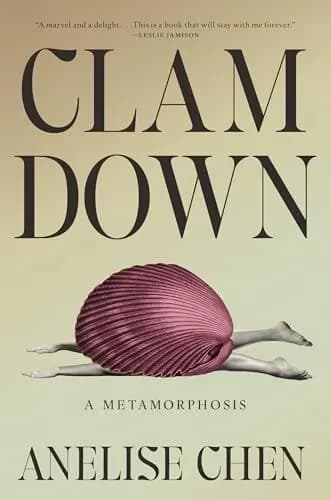
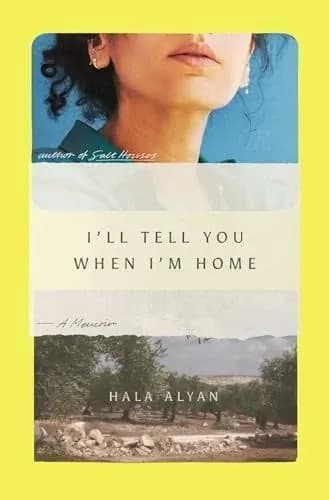
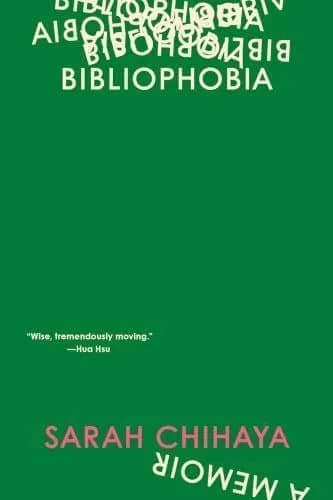
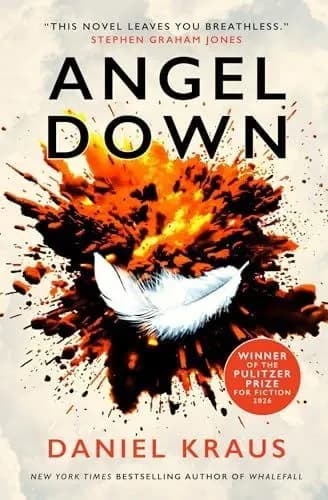
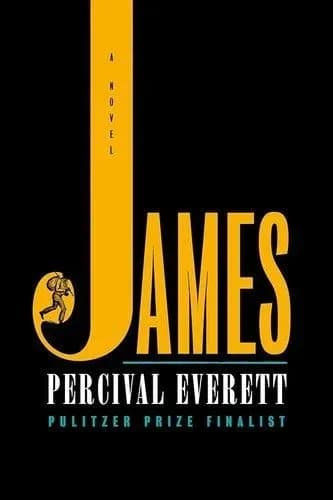
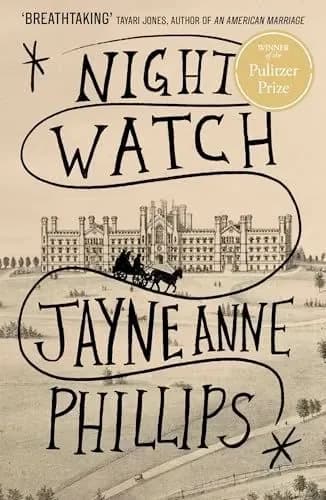
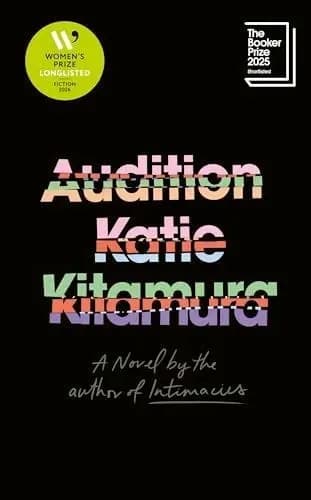
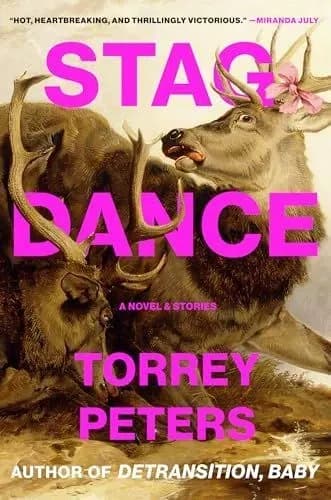
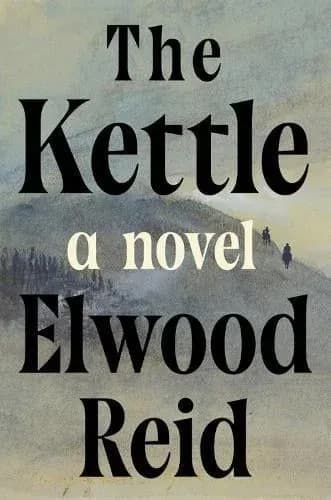
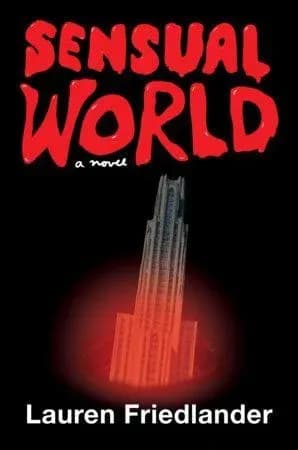
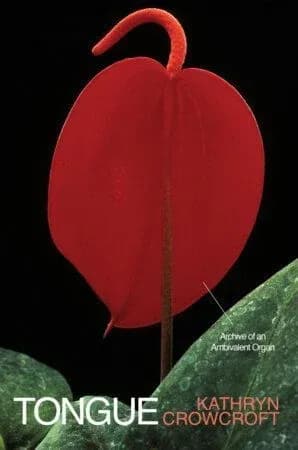
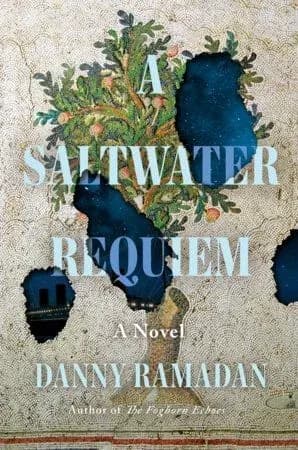
Dame Judi Dench took a question she has carried into every rehearsal room for seventy years and made it the title of her memoir. This November, we put the same question to you.
Editor's Letter
Editor's Letter: Judi Dench Wrote Her Memoir at 91, So It Is Not Too Late for You
By Dr Marina Nani
Dame Judi Dench has carried one question into every rehearsal room for more than seventy years: is it too late to make a run for it? She has played Shakespeare at Stratford, won an Oscar and spent seventeen years as M in the James Bond films, and the question has stayed with her through all of it. This autumn she made it the title of her memoir, written with her friend and writing partner Brendan O'Hea and published by Michael Joseph on 22nd October.
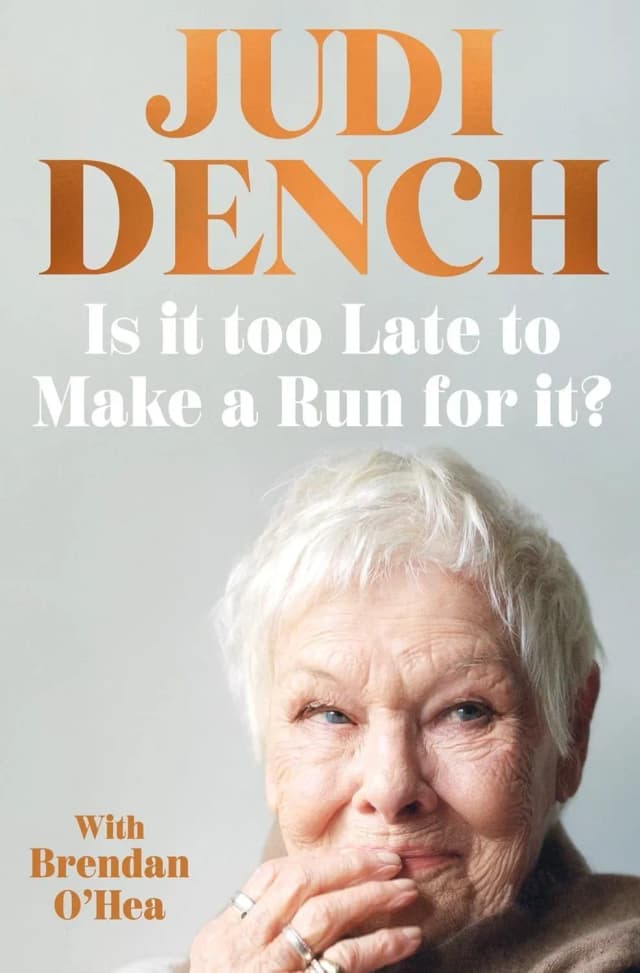
Judi Dench's fourth book, written with Brendan O'Hea, tells her story from childhood to the present: pranks on and off stage, her best-known screen roles, her marriage to Michael Williams and her love of nature and animals. Published in the UK on 22nd October 2026 and in the US by St. Martin's Press on 3rd November 2026.
We may earn a commission from purchases made through this link.
I chose her book for our November cover for that title. Most of us ask the same question in private. You may have raised your children and watched them leave home. You may have spent thirty years in work that never fitted you. You may have kept a novel in a drawer since university. I asked it myself when my three children had grown and left home, and I found my answer on tours for my own books, listening to the readers who came to meet me.
Dame Judi is 91. She was diagnosed with macular degeneration in 2012, and in October she told BBC Radio 4 that her sight has failed so far that she can no longer act. 'I can't do a play anymore. I can't do a film anymore,' she said. She could not see the bluebells in her garden this summer. She cannot read the pages of her own book, and she made it anyway, telling the story of her childhood in York, the pranks she played on fellow actors and her thirty-year marriage to the actor Michael Williams.
The question sounds like fear, but you only ask it about something you still want. Nobody asks whether it is too late to do a thing they have no wish to do. When you ask it, you have already named what you want: the course, the book, the move to the sea, the first dance class at sixty, the call you have put off for ten years.
Dame Judi has her own rule for the stage, and she shared it with NPR: 'You're only as good as you are that evening.' An actor cannot bank last season's applause. She earns each evening in front of the audience in the room. Your age, your setbacks and the years you feel you lost do not decide your evening either. What you do tonight decides it.
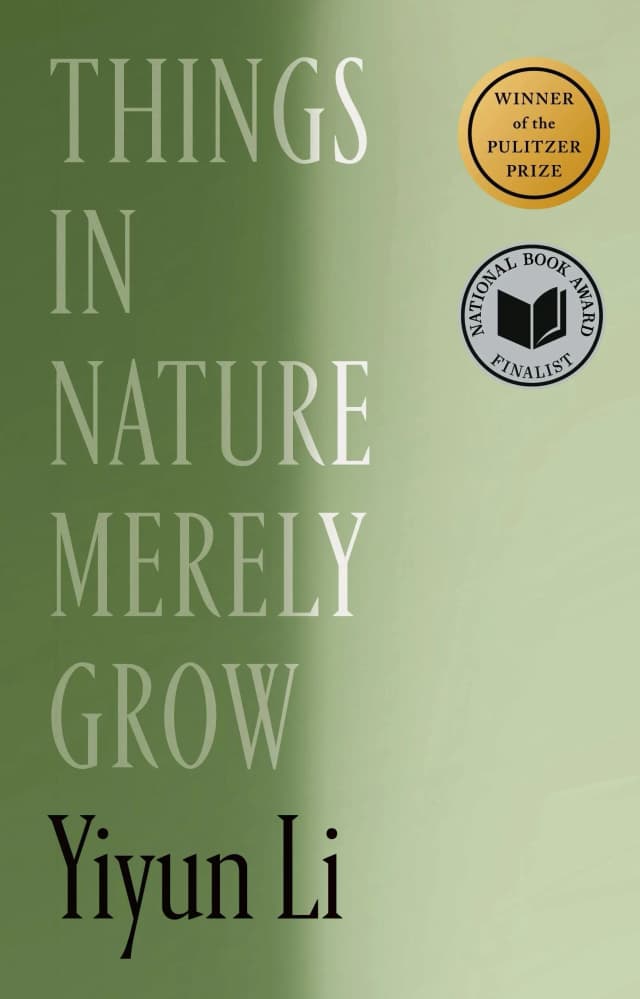
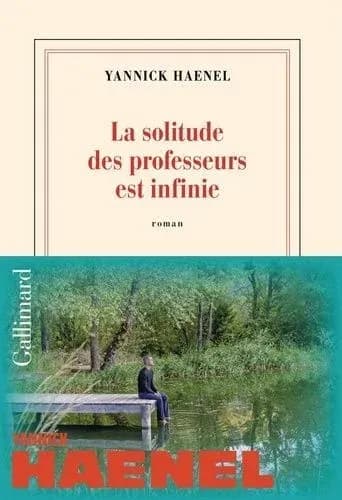
Winner of the 2026 Pulitzer Prize for Memoir or Autobiography and the Andrew Carnegie Medal for Excellence in Nonfiction. Yiyun Li writes about losing both her sons, Vincent in 2017 and James in 2024, with an austere focus on facts, language and the persistence of life. Addressed to James, the book describes ways of living thoughtfully alongside loss: gardening, reading Camus and Wittgenstein, and learning the piano.
We may earn a commission from purchases made through this link.
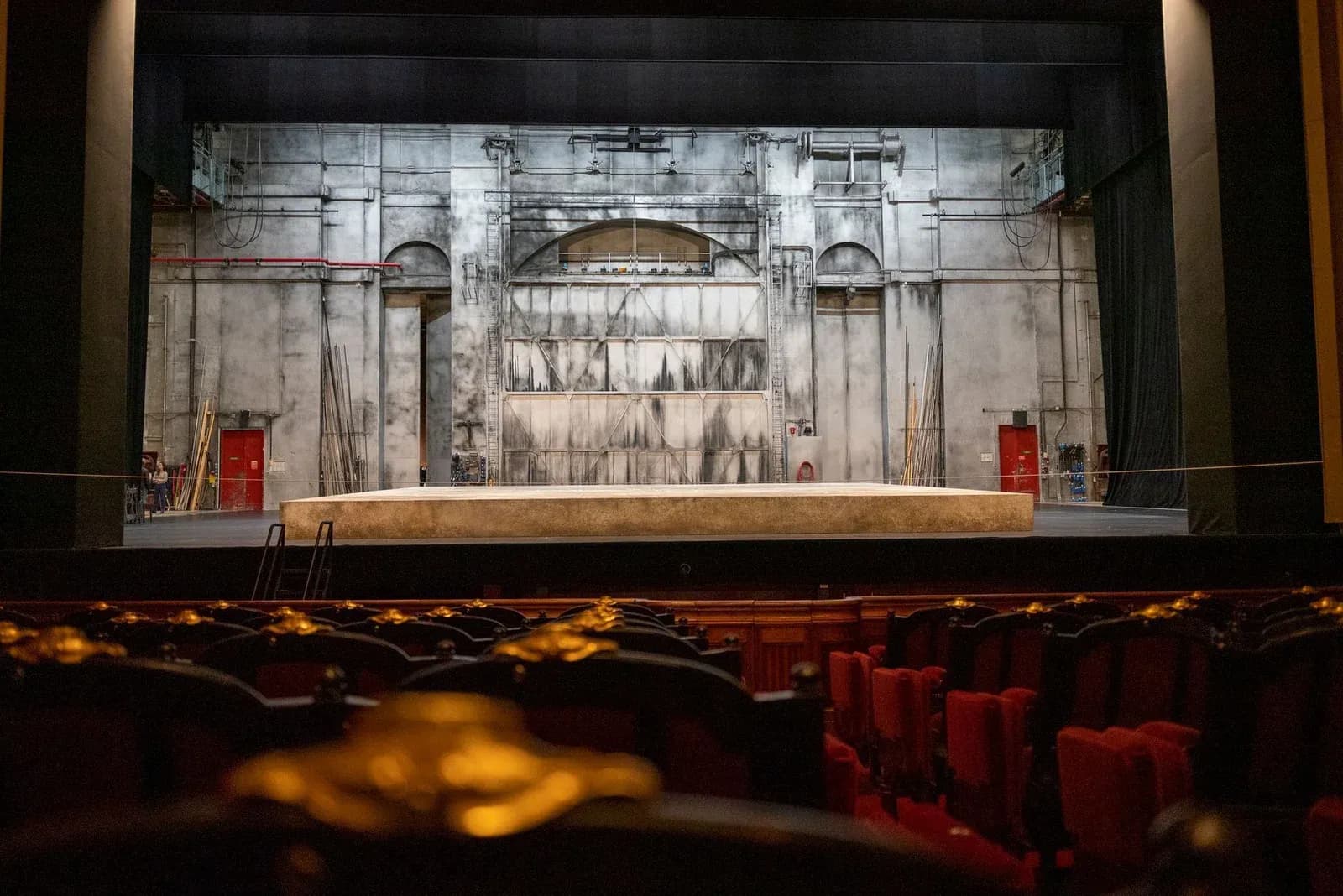
On 17th November Dame Judi is due on the stage of the Marlowe Theatre in Canterbury to talk about the book with Brendan O'Hea, and only returns are left. At 91, with her sight failing, she still chooses the stage over the door. When you ask yourself whether it is too late, take her answer and make your run, towards the thing you want.
Judi Dench's fourth book, written with Brendan O'Hea, tells her story from childhood to the present: pranks on and off stage, her best-known screen roles, her marriage to Michael Williams and her love of nature and animals. Published in the UK on 22nd October 2026 and in the US by St. Martin's Press on 3rd November 2026.
We may earn a commission from purchases made through this link.
Dame Judi Dench is 91, she can no longer read, and this autumn she published the most personal book of her life. Is It Too Late to Make a Run for It? came out from Michael Joseph in the UK on 22nd October and from St. Martin's Press in the US on 3rd November. She made it with her friend and writing partner Brendan O'Hea, the theatre director who also worked with her on Shakespeare: The Man Who Pays the Rent in 2023, and its 368 pages read like an evening in her company.
The Meaning Behind Is It Too Late to Make a Run for It?
The title is a question Dame Judi has carried into rehearsal rooms for more than seventy years. The publicity for the book ties it to one of her habits: she leaves a bag outside the rehearsal room, ready in case she wants to make a run for it. You might expect a woman who won an Oscar for eight minutes on screen as Elizabeth I in Shakespeare in Love to have stopped worrying long ago. The memoir shows you that the doubt never left, and that she went into the room every time anyway.
How Judi Dench Made Her Memoir With Brendan O'Hea
Dame Judi was diagnosed with age-related macular degeneration in 2012. In October she told BBC Radio 4's Today programme that she can no longer act on stage or on film, and she said it plainly: 'I can't read anymore.' She could not see the bluebells in her garden this summer, and she now relies on memory for them. The book grew out of long conversations between her and O'Hea, and it keeps the rhythm of talk. You read it the way you would listen to a friend who has saved her best stories for you.
Judi Dench's Childhood in York
The story begins in Heworth in York, where she was born, with the parents, older brother and teachers who shaped her. Her family recited and memorised poems and speeches all the time, and she calls that excellent preparation for an actor. She can still recall reams of Shakespeare. One of her first parts was a disappointment: in a school nativity play her friend was cast as the Virgin Mary, and Judi was told she would be a fairy. She had wanted to be an angel.
Rejection, Self-Doubt and the Sitcoms She Was Told to Avoid
Early in her career a film producer told her there was 'everything wrong' with her face. A theatre director advised her to stay away from television sitcoms. She went on to star in A Fine Romance with Michael Williams and in As Time Goes By with Geoffrey Palmer, two of the best-loved comedies on British television. If someone with power over your work has ever told you no, these chapters will feel like a hand on your shoulder.
Judi Dench's Pranks on Stage and Backstage
O'Hea jokes that the book is really an exposé of Judi, and the pranks give him plenty of material. During a run of Mother Courage, two actors playing soldiers had to buy a drink from her and hand over a coin. At the last matinee they offered her American Express instead, and she answered without a pause: 'Thank you. That'll do nicely.' That evening she took her revenge and put cider vinegar in their drinks.
Not every mishap was planned. Soon after she married Michael Williams, the couple played Portia and Bassanio in The Merchant of Venice at Stratford. In the middle of her speech to him she garbled a word, and the Stratford wind band, waiting offstage for their cue, set their instruments down on a table on the stage and walked off.
The Bond years bring their own adventure. While she was playing M, Daniel Craig drove her around London in an Aston Martin at four or five in the morning, and every traffic light turned green as they reached it. Her birthday was the next day. The book also tells you how she was once locked out of the Oscars and how she came close to crocodiles in Borneo. She does not spare her own films either: she calls Cats, the 2019 musical film, a waste of the goodwill and talent poured into it.
Judi Dench and Michael Williams
The heart of the book is her marriage. She married the actor Michael Williams in 1971, they worked together often, they had a daughter, and he made her laugh on stage. He died on 11th January 2001, aged 65.
One of the most moving passages comes from a night at Billy Connolly's home in Scotland, at a party with a ceilidh and a bonfire in the woods. Michael was very ill with lung cancer by then. As the couple climbed a steep hill on the way home, Robin Williams came alongside and offered to help. Michael said he could manage, and Robin Williams said he would 'ride shotgun anyway'. Dame Judi writes that she has thought often about his sensitivity that night. If you have walked beside someone you love through an illness, you will recognise both the kindness and the gratitude.
Judi Dench on Tour With Brendan O'Hea
You can hear these stories from her in person. Dame Judi and O'Hea appear at York Theatre Royal, in the city where she was born, on Sunday 8th November, and at the Marlowe Theatre in Canterbury on Tuesday 17th November at 7.30pm, where only returns are left. Richmond Theatre also hosts the show. At York and Canterbury every ticket includes a hardback copy of the book.
Who Will Love This Memoir
Read it if you grew up with her on stage or on screen and want the stories that never reached the interviews. Read it if you are grieving and want company from someone who has lived through loss and kept working. Read it above all if you are asking the question in its title about your own life. At 91, unable to read or act, Dame Judi made something new, and she shows you that the run can still go forward. Our Editor's Letter for November takes up the same question.
About the Book
Is It Too Late to Make a Run for It? by Judi Dench, with Brendan O'Hea
UK: Michael Joseph, 22nd October 2026, hardback, £25, 368 pages, ISBN 9780241799536. Also available as an ebook and an audio download.
US: St. Martin's Press, 3rd November 2026, hardback, $31, 368 pages, ISBN 9781250438928.
About Dame Judi Dench: Dame Judi Dench was born in York in 1934 and has worked on stage and screen for more than seventy years. Her awards include an Academy Award, a Tony, Golden Globes, Olivier Awards and BAFTAs. She played M in the James Bond films from GoldenEye in 1995 to Skyfall in 2012.
Twenty Five, a Lycan Found-Family Fantasy for Mature Teens and Adults Drawn from Author Moshea's Years in Group Homes
By Darie Nani
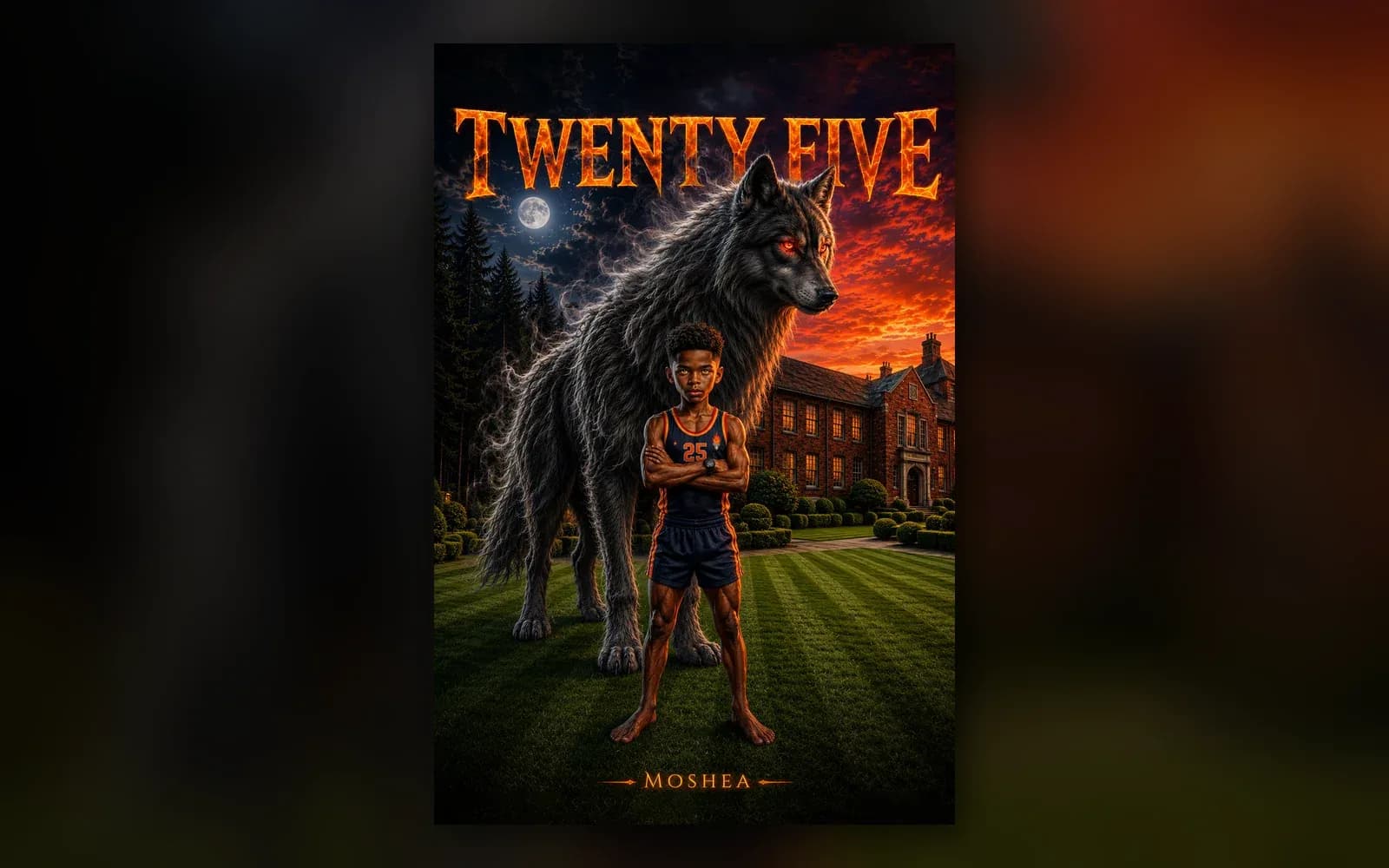
Twenty Five, a paranormal fantasy by Moshea, is the story of 25 wounded boys in a group home who become the family they never had. Moshea wrote it from his own years in group homes and the experiences of the boys he grew up with.
Jean-Eza can feel the emotions of the people around him, and he has a wolf beneath his skin. After a savage beating leaves him hospitalized, the ten-year-old shows his injuries to the media, and the national attention that follows changes the course of his life. He is sent to a group home in a converted school, where he becomes number twenty-five, the boy who completes Unit Five. The other 24 have sensed his pain from miles away. Together they discover that they are Lycans and a pack, and that Jean is a rare alpha.
Under the protection of the Bureau of Earth's Lost Lycans, Jean and the other boys are given the chance to heal. As his telepathic abilities and his leadership grow, Jean helps the 24 boys become a united pack, and they learn to trust one another, to create and to stand together. The further they go into the Lycan world, the clearer it becomes that there is more ahead of them than survival.
Ten-year-old Jean-Eza can feel the emotions of everyone around him, and he has a wolf beneath his skin. After a savage beating leaves him hospitalized, he shows his injuries to the media, and the national attention that follows changes the course of his life. He is sent to a group home in a converted school, where he becomes number twenty-five, the boy who completes Unit Five. The 24 boys already there have sensed his pain from miles away. Together they discover they are Lycans and a pack, with Jean as a rare alpha. Under the protection of the Bureau of Earth's Lost Lycans, the boys are given the chance to heal, and they learn to trust one another, to create and to stand together. A found-family paranormal fantasy about brotherhood and healing, recommended for mature teen and adult readers. Contains depictions of child abuse and strong language.
We may earn a commission from purchases made through this link.
Moshea's Years in Group Homes and Decades Working With Children
"I wrote Twenty Five because of my experiences in group homes as a child and the boys I grew up with," Moshea says.
He has spent decades with young people, studying child psychology, fostering children, coaching gymnastics, tutoring and raising a family, and he says that work taught him how children grow, heal and overcome adversity. "Those experiences helped me keep the story emotionally authentic while still embracing the wonder of fantasy," he says.
When Jean arrives at the group home, the only counselor he willingly shakes hands with is Mr. Williams, a university student studying child psychology. Where the other counselors see troubled boys, Williams sees children who need understanding. Moshea, who studied child psychology himself, sets the two approaches side by side in the book, and he believes trust, empathy and capable leadership can achieve what punishment and fear cannot.
Lycan Packs and Alphas in Twenty Five
“The strength of the pack is the alpha. The strength of the alpha is the pack.”
— Moshea
Jean's brothers follow him because he earns their trust, loyalty and love, not out of fear. In Moshea's idea of an alpha, leadership comes from sacrifice, compassion and the ability to help others become their best selves.
Moshea's Lycans are far removed from traditional werewolves. He writes them as intelligent and empathetic, and closely tied to one another through family and community. As Jean and the other boys learn what they are, they are introduced to a hidden world in which Lycans protect Earth and the life on it from threats to the planet's future.
Found Family Fantasy for Mature Teen and Adult Readers
Twenty Five is a paranormal fantasy for mature teen and adult readers about trauma, healing and how a group of survivors becomes a family. Jean-Eza's Lycan awakening starts the story, but most of the book belongs to the pack, 25 boys who learn to trust, protect and believe in one another.
"The pack is a thriving family with the power of love that heals both the body and mind," Moshea says. Over the course of the book the boys find strengths they did not know they had, and a sense of belonging they have long gone without.
Moshea describes the book as part coming-of-age story, part supernatural adventure and part found-family fantasy, and as a story about hope, brotherhood and finding where you belong.
Lycan and Found-Family Stories Moshea Recommends
Asked which stories he would hand an adult reader, Moshea named four books and a television series.
The Talisman by Stephen King and Peter Straub (1984). Twelve-year-old Jack Sawyer crosses into a parallel world, the Territories, to save his dying mother, and is joined on the road by Wolf, a werewolf who becomes his loyal companion. Moshea calls it a story "about found family and a protagonist who suffers greatly but prevails."
Ender's Game by Orson Scott Card (1985). A gifted boy is sent to a Battle School in space and trained to lead other children against an alien threat. Moshea calls it "an excellent book about what children can do with the right leadership" and says Ender is similar to Jean.
Speaker for the Dead by Orson Scott Card (1986). The sequel to Ender's Game follows Ender as an adult, when he travels to a colony world where humans live alongside an alien species. Moshea recommends it for the way it explores empathy, understanding and human connection, and counts it as a found-family story among much else.
The First Colony series by Ken Lozito. The science fiction series follows colonists building a new home on a distant planet. Moshea recommends it for its mix of science fiction, survival and found family.
Teen Wolf (MTV, 2011 to 2017). In the television series, a teenager in a small California town is bitten by a werewolf and, with his friends, protects the town from supernatural threats. Moshea chose it as a story "about kids who prevail regardless of impossible odds," and he says fans of the show will recognize some of the same ground in Twenty Five.
FAQ
What are some actually good werewolf books for adults?
Twenty Five by Moshea is a Lycan paranormal fantasy for mature teen and adult readers about 25 boys in a group home who discover they are a pack, with ten-year-old Jean-Eza as their alpha. Moshea also recommends The Talisman by Stephen King and Peter Straub, in which the young hero is joined by a werewolf named Wolf.
What are some popular found-family stories for adults?
Moshea recommends the First Colony series by Ken Lozito for its mix of science fiction, survival and found family, Speaker for the Dead by Orson Scott Card for its focus on empathy and human connection, and The Talisman by Stephen King and Peter Straub for its adventure and its wolf companion. He says fans of the television series Teen Wolf will recognize some of the same ground in Twenty Five, where a pack of 25 boys follows an alpha who has to earn their trust.
What is Twenty Five by Moshea about?
Twenty Five tells the story of Jean-Eza, a ten-year-old boy who discovers he is a Lycan after surviving a violent childhood. Sent to a group home with 24 other boys carrying wounds of their own, Jean helps form a pack built on loyalty, trust and brotherhood. Together they uncover a hidden Lycan world and develop remarkable abilities, and they come to rely on one another more than on their powers.
Is Twenty Five suitable for teenagers?
Moshea recommends Twenty Five for mature teen and adult readers. The novel contains depictions of child abuse and strong language, and the abuse the boys have survived is central to the story.
Ana Braunstein Turns Her Award-Winning Short Film This Case and My Life Into a Four-Book Series
By Dr Marina Nani
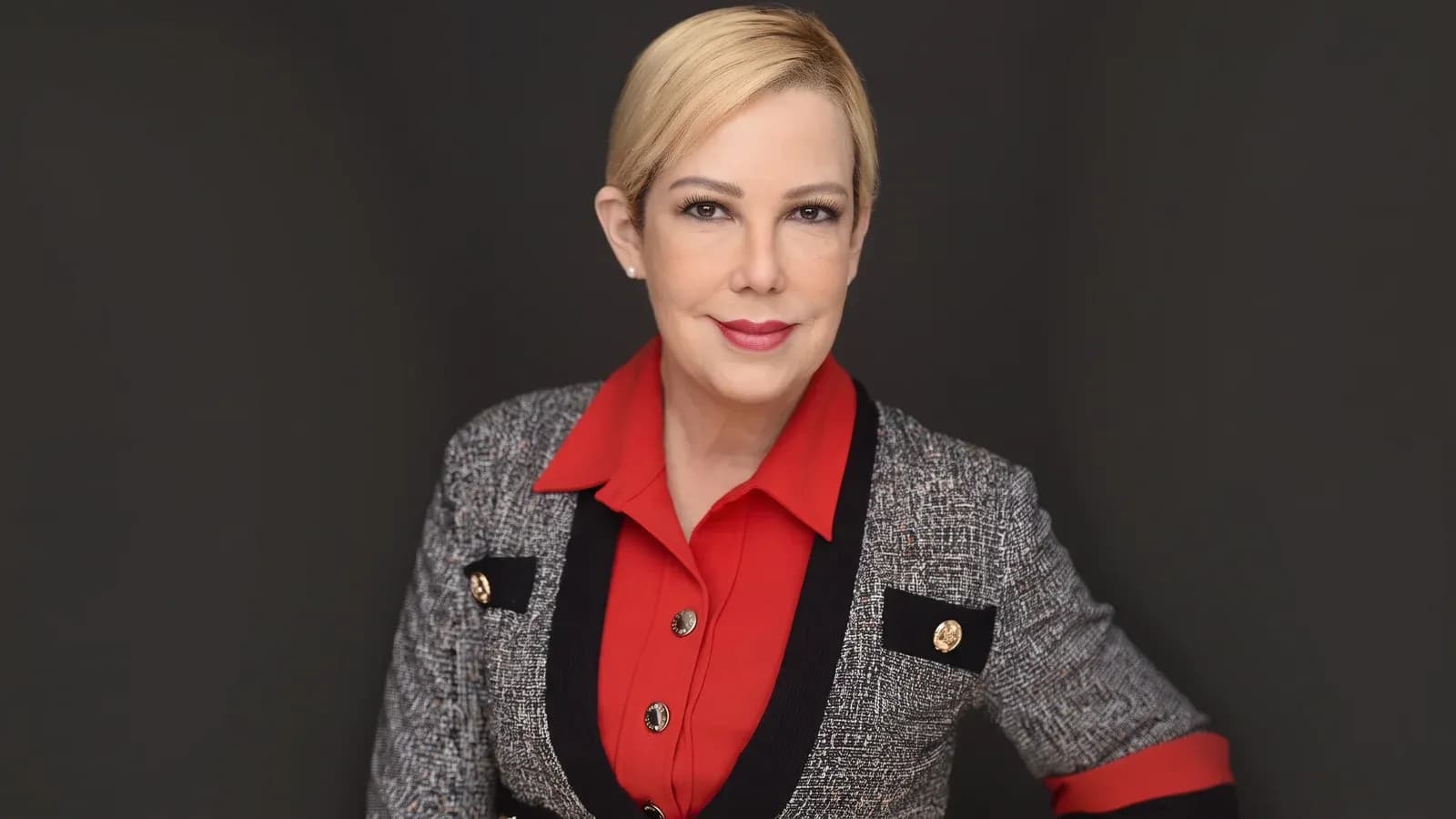
Ana Braunstein first brought attorney Chris Roberts to the screen in 2021, in a short film she wrote, directed and acted in, which went on to win more than 80 awards at festivals around the world. She has since written his story as a four-book series, This Case and My Life, and with the fourth novel out this October, you can now read it from the first page to the last.
Chris is a successful New York attorney who has built his career on control. He prepares every argument, anticipates the other side and believes that, with enough preparation, life can be won like a case in court. Across the four books that belief is tested by his marriage, a new love, the arrival of a baby and the people from his past whose lives are still tied up with his.
Ana calls the books romantic comedy-drama, and she writes for readers who enjoy emotional women's fiction, contemporary family drama and clean romance. There is heartache in them, with infidelity, secrets and a marriage that ends, but there is also plenty of humor, friendships nobody expects and a lot of room for forgiveness and second chances.
She lived in New York City for more than 30 years, and the series is set in places she knows well, from Central Park and a Midtown office to the Hamptons, Long Island and Connecticut. She also played one of the story's central characters herself. In the film she is Kathy Welch, and Kathy is still there in Book Four, weighing a career offer that makes her decide what success, loyalty and belonging mean to her.
The Award-Winning This Case and My Life Short Film
Ana wrote This Case and My Life as a screenplay more than five years ago and made it into a short drama, released in 2021. She wrote, directed and produced the film and played Kathy, with Mark Karten as Chris Roberts, Claire Waterhouse as Bridget Glenn and Monica Phillips as Stacey Roberts, Chris's wife.
The film won more than 80 awards, and many of them were for Ana's own work. At the Pinnacle Film Awards it took the Gold Award for Best Narrative Short, and Ana won Diamond Awards for Best Screenplay and Best Actress and a Gold Award for Best Director. She was also named Best Actress at the Black Swan International Film Festival and received the Accolade Competition's Award of Recognition for Leading Actress. At the MLC Awards the film was given an honorable mention for Best Series Potential in a Film.
The response from audiences, festival directors and judges brought back the love of writing she had since childhood. Ana saw how strongly people connected with Chris's story and decided to turn it into a series. "Chris may understand how to build a legal case, but his greatest lessons come from the relationships and responsibilities he cannot control," she says. "I wanted these books to show how love, forgiveness, family, and everyday choices can shape a person's future."
For Ana, a film and a novel are two ways of telling the same story. The novels gave her room to develop Chris's story and to show how his decisions affect everyone around him. Writing them took a few years, and she wanted the whole series finished before she presented it to readers.
Her interest in stories started early. As a child she wrote stories and performed them for her mother, her siblings and her friends, and as a teenager she wrote and acted in plays at school, at church and in her community whenever she could. Her parents loved the arts, were both keen readers and encouraged her to read. Ana's other independent film, A Silent Call: Can Anyone Hear Me? (2022), is also her own work as writer, director and actress, and it will be released as a book in late November.
This Case and My Life Books in Order
Ana suggests starting with Book One and reading the four in order, so that you see every change in the relationships as it happens. All four are available on Kindle, in paperback and in hardcover on Amazon.
Book One: This Case and My Life
The first book finds Chris successful and in control, with a pivotal case on his desk. As the case starts to spill into his private life, the separate parts of that life begin to collide, and he finds that relationships cannot be managed like cases in a courtroom. The story is told from several points of view, so you see what his choices do to Stacey, Bridget, Kathy and others whose lives have become entangled with his.
Stacey has the biggest journey. She starts out questioning her suspicions and making excuses for the problems in her marriage, then decides to find out the truth, and her story becomes one of independence, healing and self-respect. The novel won the Literary Titan Book Award. Literary Titan's reviewer called it "a fast-moving domestic drama about infidelity, deception, and the consequences that arrive when a carefully managed double life falls apart," and singled out Stacey's move from heartbreak to independence as one of the book's most satisfying arcs, along with its film-like pace and details such as the red roses that expose the cracks in Chris's carefully managed world.
Book Two: A Novel Sequel Two
By the second book Chris has built one of New York City's most respected law firms, found love again with Bridget and is preparing to become a father. A chance meeting on a business trip to Chicago reconnects him with someone from his past and brings back memories of how differently his life might have turned out. At the same time there are changes at his firm and more to handle at home.
Bridget senses that something has shifted. Small moments, unanswered questions and the pressure of getting ready for a baby start to put distance between two people who love each other, and Chris learns that winning in court is far easier than handling trust, love and family.
Book Three: A Walk in the Park
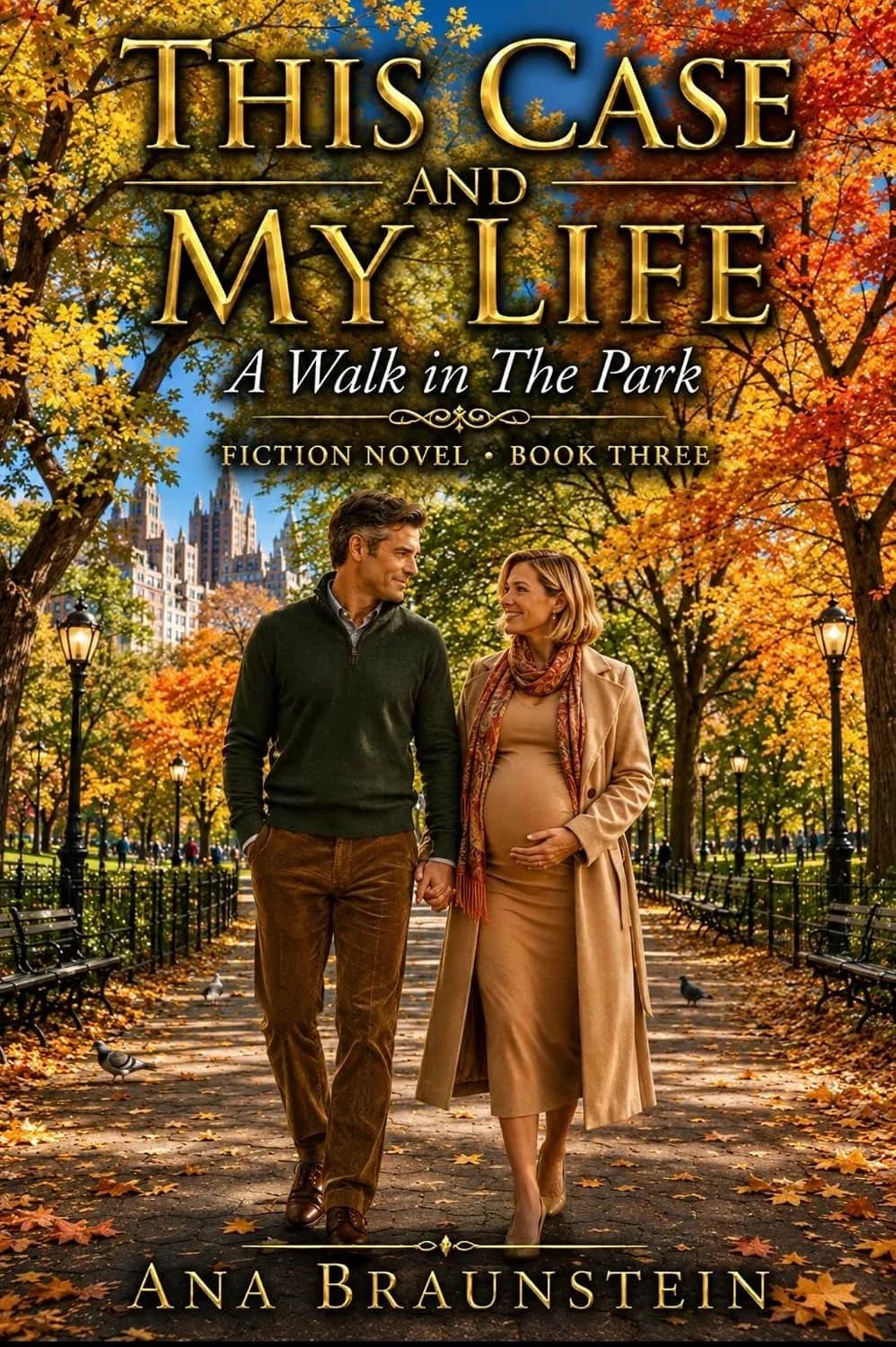
In the third book Chris is secretly looking for the right family home while Bridget prepares for the birth of their first child. Bridget becomes friends with Stephanie, the woman who once shared an important chapter of Chris's life, and neither Bridget nor Chris realizes how closely their lives are about to be linked by secrets from the past. The book is about kindness, forgiveness, second chances and letting go of the past, told with warmth and humor.
Book Four: Christmas Is Here
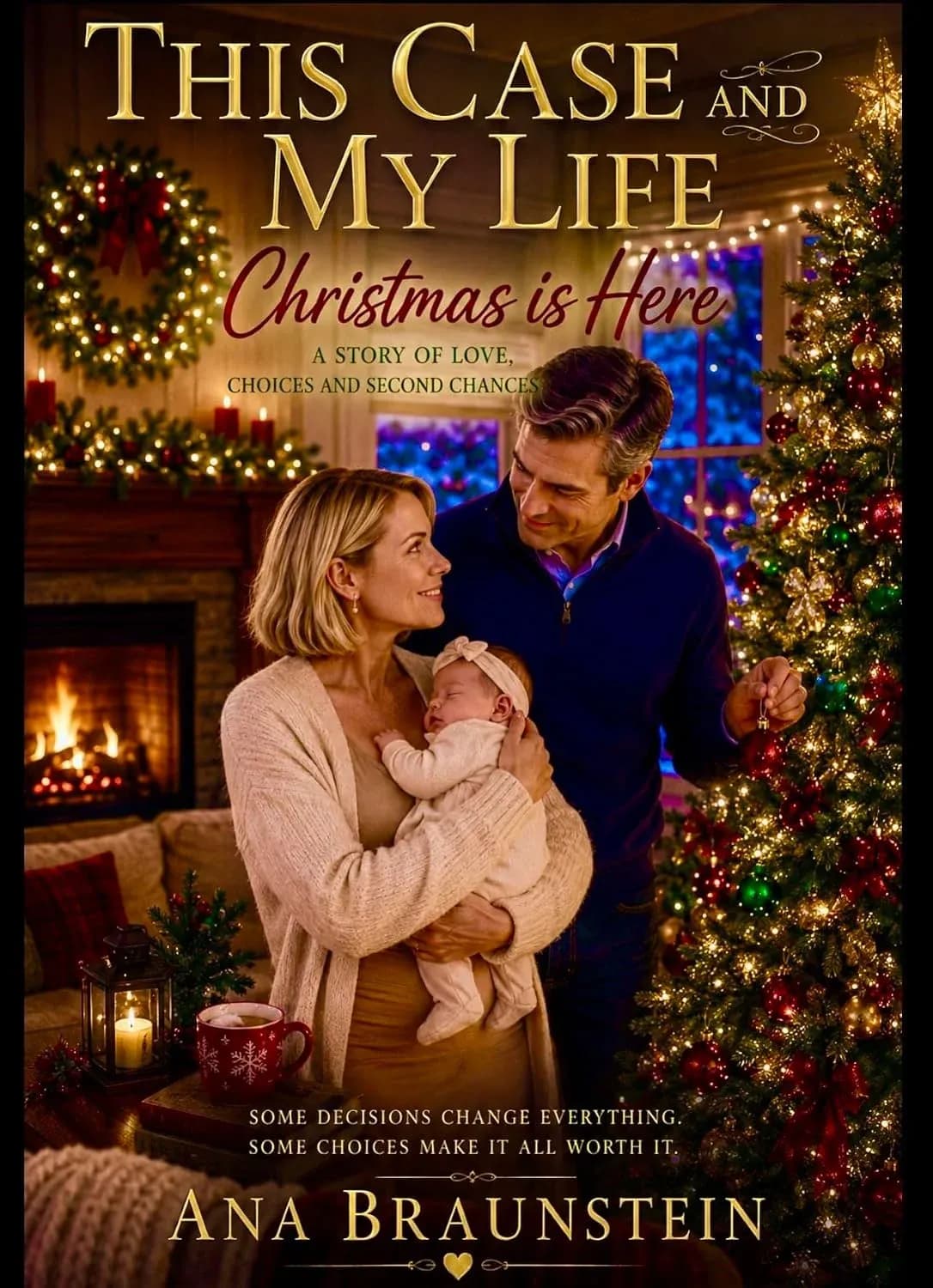
The final book brings a new home in Connecticut, a small wedding, baby Helen and the family's first Christmas together. Chris's career is still in Manhattan, though, and with winter commutes, early court appearances and the lease on his city apartment running out, the couple agree that he will stay in New York during the working week and come home when his schedule allows. It seems sensible until they start living it. Bridget finds out how hard it is to care for Helen without Chris there every day, while Chris tries to balance his career, his marriage, fatherhood and the life he used to have.
Kathy and Stephanie become friends too. Their conversations bring old secrets into the open, and Kathy's career offer forces a decision about where she belongs. Ana describes it as a story about marriage, parenthood, friendship, loyalty, second chances and the imperfect choices that shape the lives we build.
New York Life in This Case and My Life
Ana's 30 years in New York give the series its setting. Chris works from a Midtown office, the characters walk in Central Park, and other scenes take place in the Hamptons and on Long Island. When the family moves to Connecticut, the distance between home and the office becomes part of the story.
“It's complicated, but that's life. Life has unexpected turns. Our decisions matter.”
— Ana Braunstein
In each book a choice made in one part of Chris's life changes something in another, and the other characters' decisions carry as much weight as his. Over the series Chris changes, the people around him change with him, and secrets and surprises come out as time moves on. Ana calls the story thought-provoking and hopes it gets readers talking, and she wants them to have something to think about long after the last page. She is grateful to every reader who has taken the series to heart.
FAQ
What is the This Case and My Life series about?
The series follows Chris Roberts, a successful New York attorney who has built his career on control, across four books. It shows how his choices affect the people around him, including his wife Stacey, Bridget, Kathy and Stephanie, as he moves through a marriage that ends, a new love, fatherhood and a family home in Connecticut.
What order should the This Case and My Life books be read in?
Start with Book One, This Case and My Life, then read A Novel Sequel Two, A Walk in the Park and Christmas Is Here. Ana Braunstein recommends reading them in order, and with the fourth book out since October 2026, the whole series is available.
Is This Case and My Life based on a film?
Yes. Ana Braunstein first wrote This Case and My Life as a screenplay, and the 2021 short film she wrote, directed, produced and acted in won more than 80 awards, including Best Actress, Best Screenplay and Best Director awards for her. She then developed the story into the four-book series.
What are some good romance novels set in New York City?
Ana Braunstein's This Case and My Life series is one to try if you like romantic comedy-drama with a family story at its heart. It moves between a Manhattan law firm, Central Park, the Hamptons and Long Island before the family settles in Connecticut.
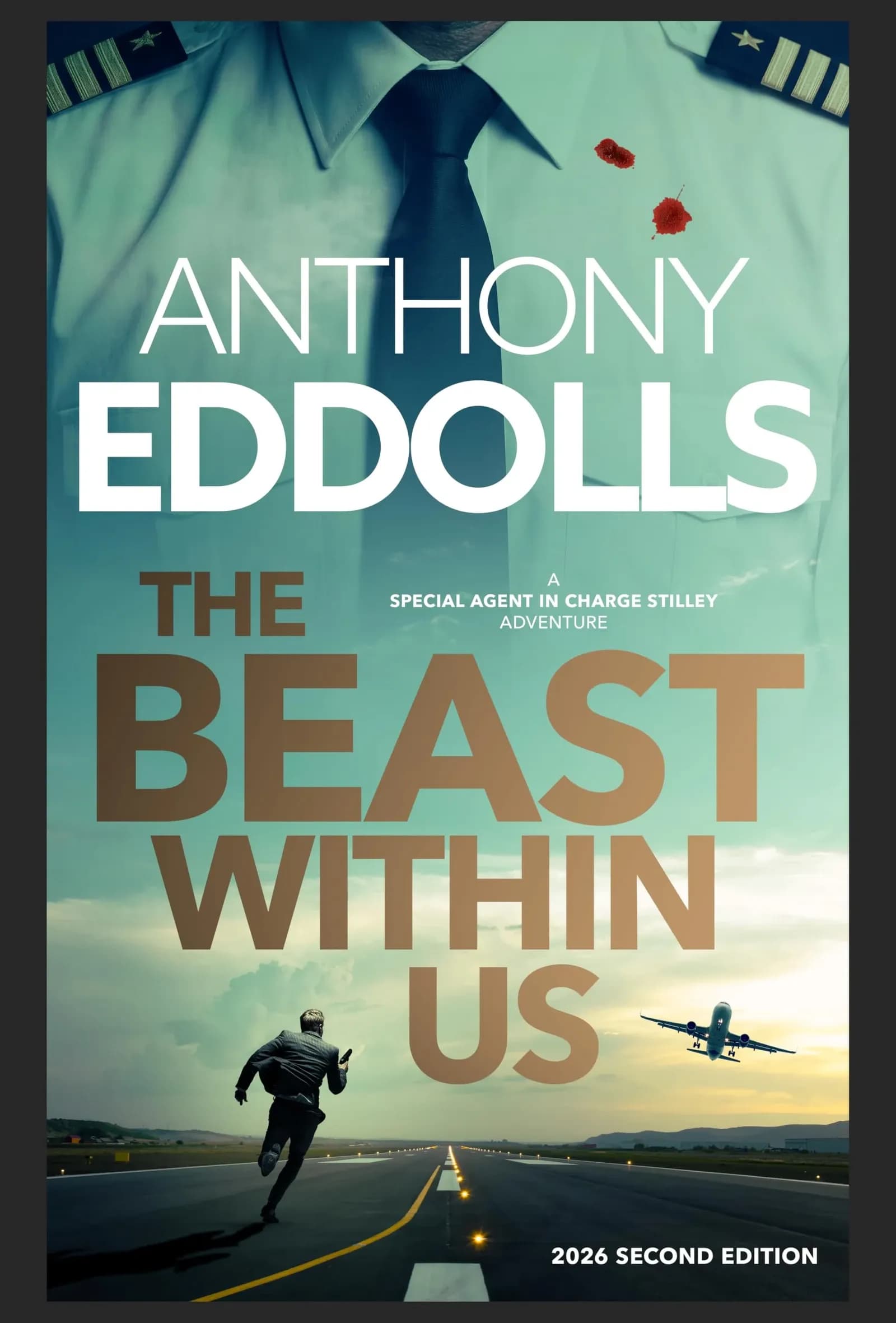
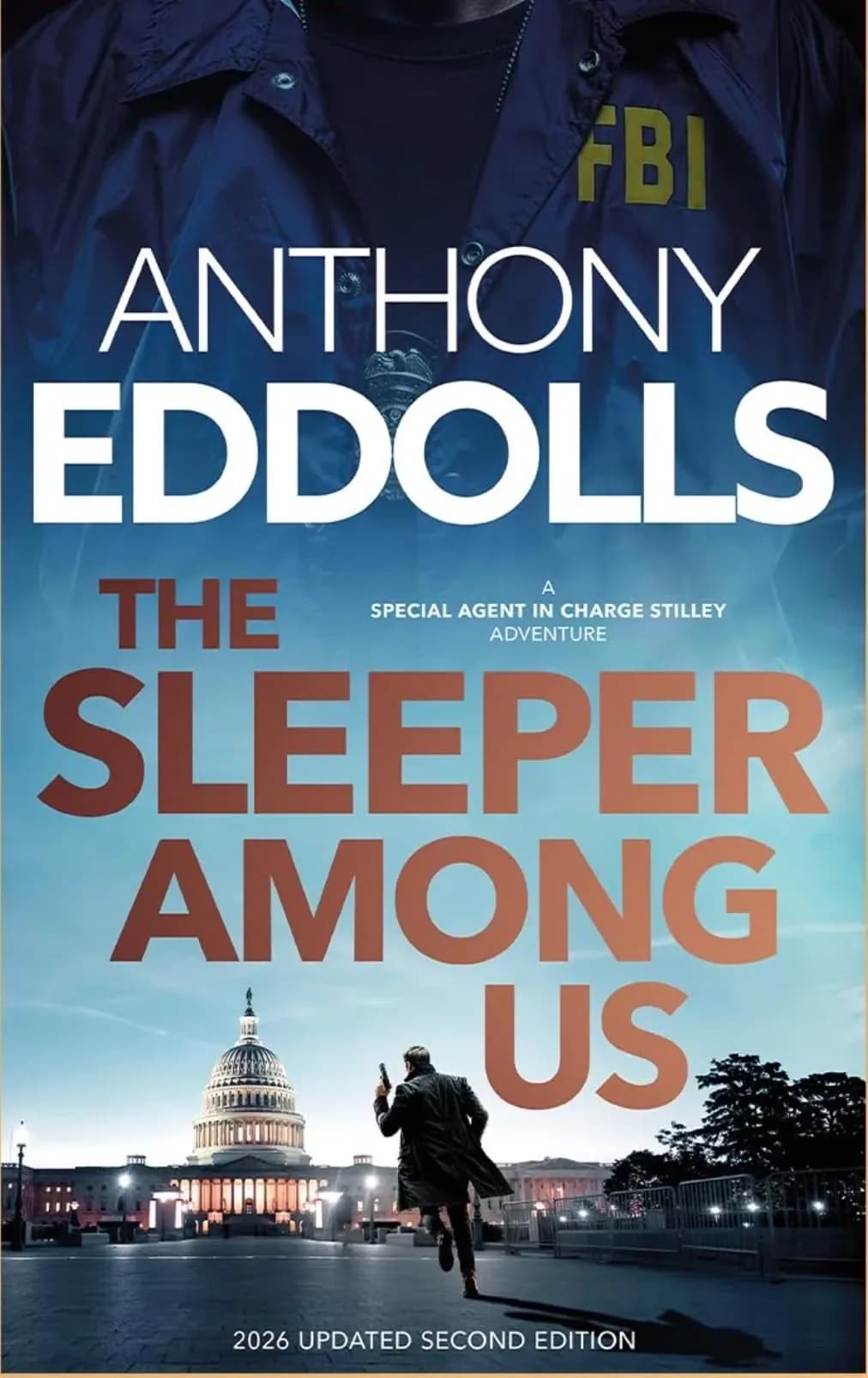
Anthony Eddolls on His FBI Thriller Series and Where Agent David Stilley Goes Next
By Darie Nani
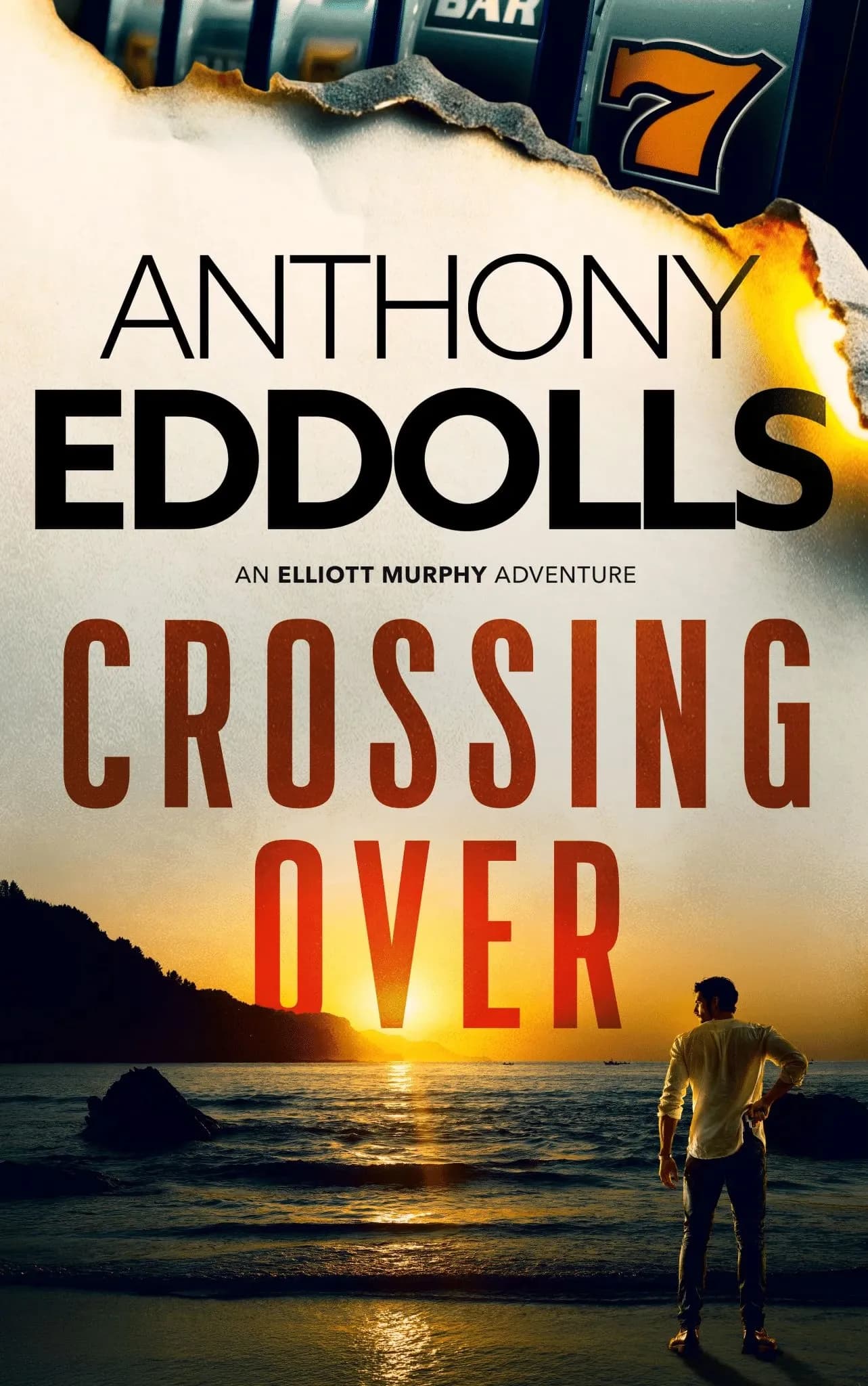
Anthony Eddolls, who writes from his home in Kula, in Upcountry Maui, has published six crime novels since 2022 through his own company, Robert Anthony Books. Three follow Special Agent Elliott Murphy. The other three make up his FBI thriller series about Special Agent in Charge David Stilley, and the latest, Call Out The Dogs, came out this year. A seventh novel is due in November. He answered our questions by email.
You write your books from Kula, in Upcountry Maui. What does a writing day actually look like for you there?
My studio is upstairs in the southeast corner of the home we built in Kula, so when I look away from my screen, I gaze up at Haleakala, Maui's dormant volcano. Native birds are always chirping… no traffic noise, nothing to distract, and the tranquility is incredible. For years, I lived in Manhattan, and the constant barrage of sirens, trucks, and other noises became the city's anthem, but trust me, I will take this tranquility any day.
So, my venue and the absence of distraction are my starting point, and the pace of our life in Hawaii is another factor. I can't think of a setting more relaxed and writer-friendly, but I am sure plenty of authors would say the same about their venue. I think we make our individual environments work, and mine just happens to be paradise! What more can I say?
You run two series, the Elliott Murphy adventures and the David Stilley adventures. How do the two relate, and do they share one universe?
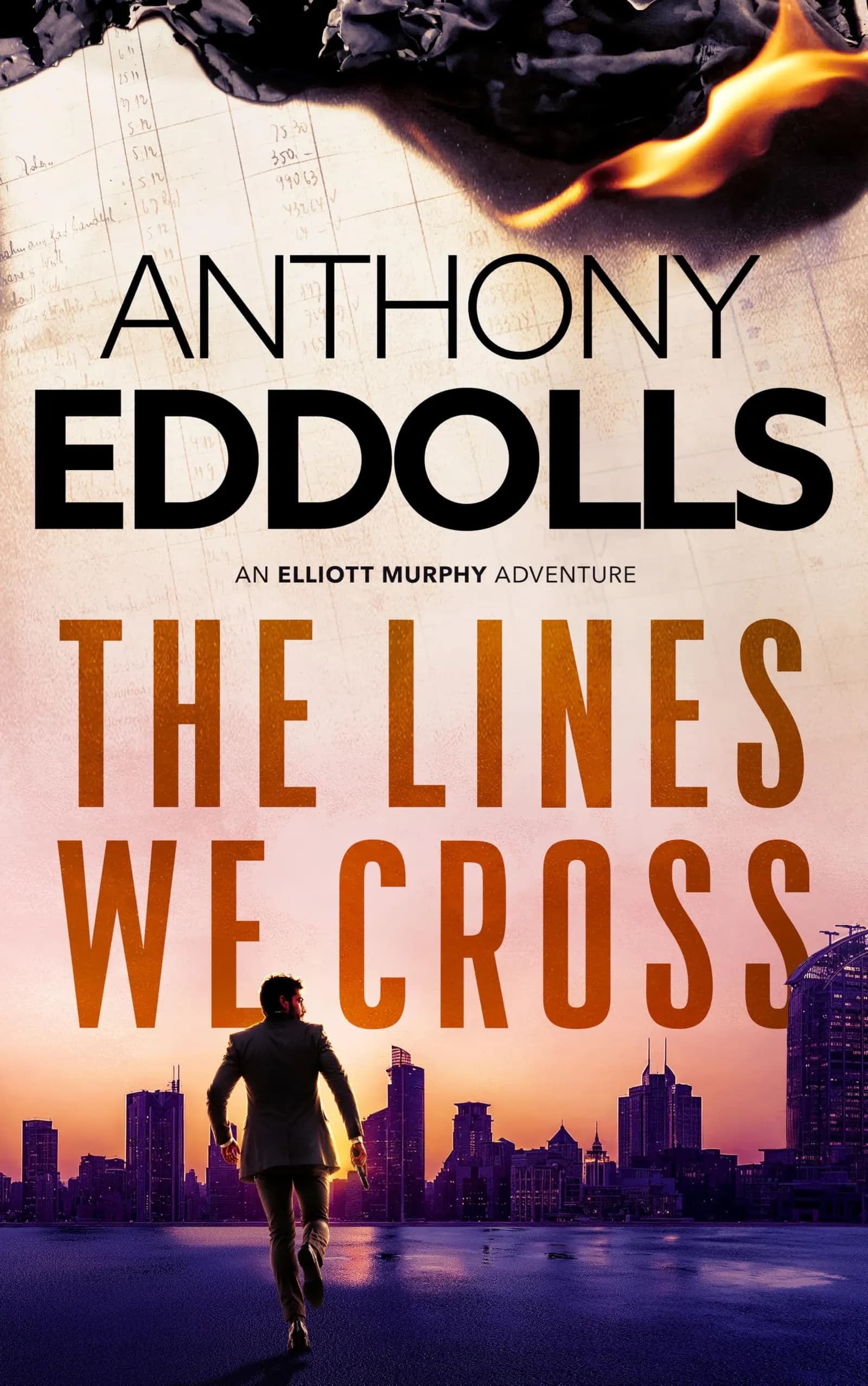
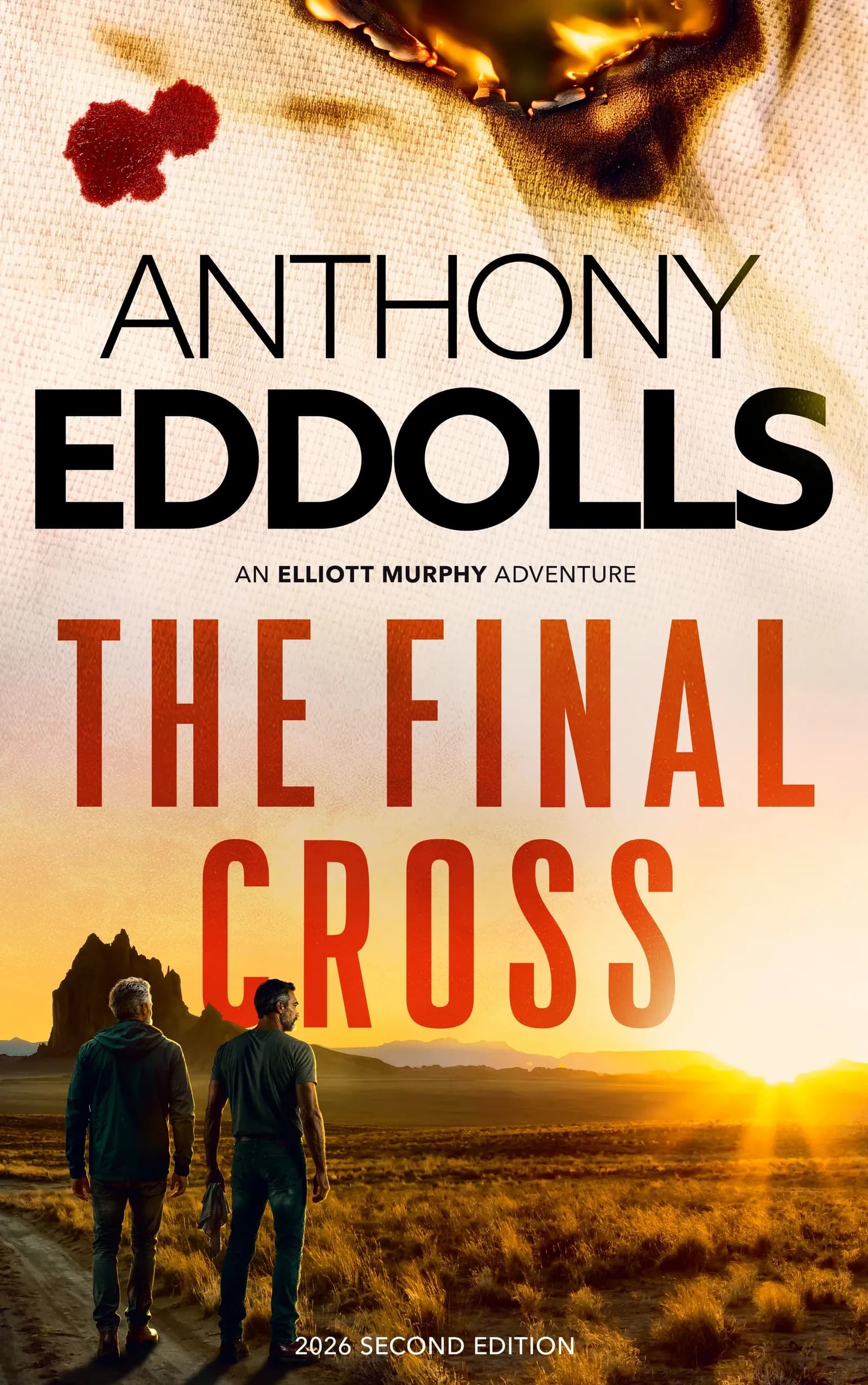
Stilley first appears in The Lines We Cross, which I believe is my best procedural FBI thriller. I intended to feature Murphy as my protagonist in a three-title series, which I accomplished. Stilley appears and doesn't have a huge role because, when I wrote the book, I had yet to decide to feature the character as my protagonist in future work. But in the third title of the Murphy series, The Final Cross, Special Agent in Charge Stilley takes on a much larger role. After I finished the third novel, I decided Stilley would be my protagonist moving forward, and in fact, he would anchor my next series.
Each of the three FBI books in the first Stilley series is unique, and trust me, no one can accuse me of recycling the same themes, plots, twists, and so on. The end result of the cases I developed is used to illustrate Stilley's maturity and the strength he has built emotionally, bringing him to the end of the journey with the FBI. My next title continues to feature Stilley, but under entirely different, surprising circumstances.
Readers compare your pacing to a film. How do you build that, chapter by chapter?
When I am in development, when I am writing the unedited manuscript, which I approach organically, there is no AI involved, or human editors – I fully immerse myself in the story. As a result, I can really feel the pace, and if I don't see it on the screen, if the story isn't developing visually for me – I can't expect my readers to see it… and that is what I expect from a decent thriller. Pacing is directly intertwined with visualization, at least in my mind: when the momentum slows, the picture blurs, and readers' interest and attention wane… and I am after the opposite.
Call Out The Dogs ends with a decision that you have said seeds your next series. What can you tell us about it?
Yes, the finale of the book includes Stilley leaving the Bureau for new and different horizons. More importantly, with this novel I took the leap into co-opting controversies that are present today in real life – political corruption, improper international relationships and profiteering by leaders, the underbelly of Black Ops and CIA dirty deeds – the explosive nature of Stilley's final case is a disheartening glimpse into the very people that lead his agency – but he leaves for his marriage, to use more of his credentials and experience, and also, to cash in by moving into the private sector.
Everything fits, and that is where the story and this series end. It sets everything up for Stilley and his partner to experience life in crime-fighting, without a badge.
Spoiler Alert: A highly successful expat, living in London, someone Stilley met in Call Out The Dogs, someone he protected, and the character whose actions unraveled a threat that was considered to be impenetrable – anyway, as a result, he offers Stilley a job – actually, he offers him a partnership to build a top-tier international security and investigations business; except, Stilley no longer has his badge. So I am going to have a blast with this; the part of this adventure I enjoy most is creating a new manuscript when the storyline is flowing.
Book seven is due in November. What can you reveal now?
Without revealing the storyline, I think the point where I left off answering the previous question will make weaving the entire series so interesting, especially this book. Private security and defense contracting are common sectors for top agents to move into and earn exponentially higher paychecks in real life. Stilley enters the business not as an employee, but as a partner to a billionaire who invests tens of millions just to launch the venture. Furthermore, he insists on paying Stilley a massive salary. This provides the Stilley family with a challenge, as they find themselves in the 1% overnight.
But despite the income, private jets, and unlimited resources at his disposal, he no longer has a badge! He can't arrest anyone, use his gun, or even drive above the speed limit! He faces the realities of hunting down bad guys, corporate thieves, and even the mob – as a private citizen. I will face numerous challenges writing this role, and I can't wait.
You came to publishing with forty years of entrepreneurial experience, yet you have described the indie market as brutally competitive. What has worked for you in reaching readers?
I am getting there, but yeah, Indie authors face a massive uphill battle to accumulate an audience, and despite the critical reception each title has received, and the six-figure investment I have made in advertising and promotion, I am just beginning to gain traction. Over 1,500 self-published books are published on Amazon every day! Mind-blowing. So I have begun investing in SEO, paying close attention to site traffic, and trying everything I can to convert visitors into readers and purchasers of my books.
But reaching an audience and selling enough books to make a living is nearly an impossible mountain to climb in self-publishing. I went into this to satisfy my creative itch and write and publish fiction. I am fortunate that I don't need income, and I have resources to advertise and promote my work. So when one of my books hit #75,000 in a category over the summer, it wasn't until I realized that there were over 7,500,000 other titles that I was in the top one percent! However, readers would have to scroll past 75,000 titles to find my book if they looked in descending order. So you advertise and promote, which I have done ad nauseam. But now I rely on organic SEO, and my sales are the same, but I am actually making money!
What would you tell a new independent author about protecting themselves from the predatory side of this industry?
This quickly became my reality, and as my reviews and titles have grown, I deal with it every single day. I have received emails from imposters representing every major publishing house, from a fraudster posing as David Muir, the ABC anchor, Daniel Silva, the blockbuster writer with numerous bestsellers, the BBC, too many radio stations to count – but the worst approach, which I know succeeds often, is the emails purporting to offer marketing and publishing assistance to new authors: formatting, converting the manuscript to eBook, and for many new writers, the world of online marketing is intimidating and the ridiculous claims they make sound like the solution. Fraudsters begin by requesting a small payment, then raise it, leaving the victim with nothing but failure and fraud.
I have often compared the level of fraud and deceptive schemes in self-publishing to what the public often sees and thinks of the securities industry or the mortgage business. The number of attempts to defraud, and the number of schemes I have been directly confronted with as an Indie author, make my old industry, Wall Street, look like preschool. It is unfortunate, and it really shocked me. Now, when I have the chance, I will pass the intel along to the good guys, people like Stilley and Elliott Murphy!
True Crime Author Maureen Hughes on Spotting a Rehearsed Answer and Staying Safe While Investigating the Mob
By Dr Marina Nani
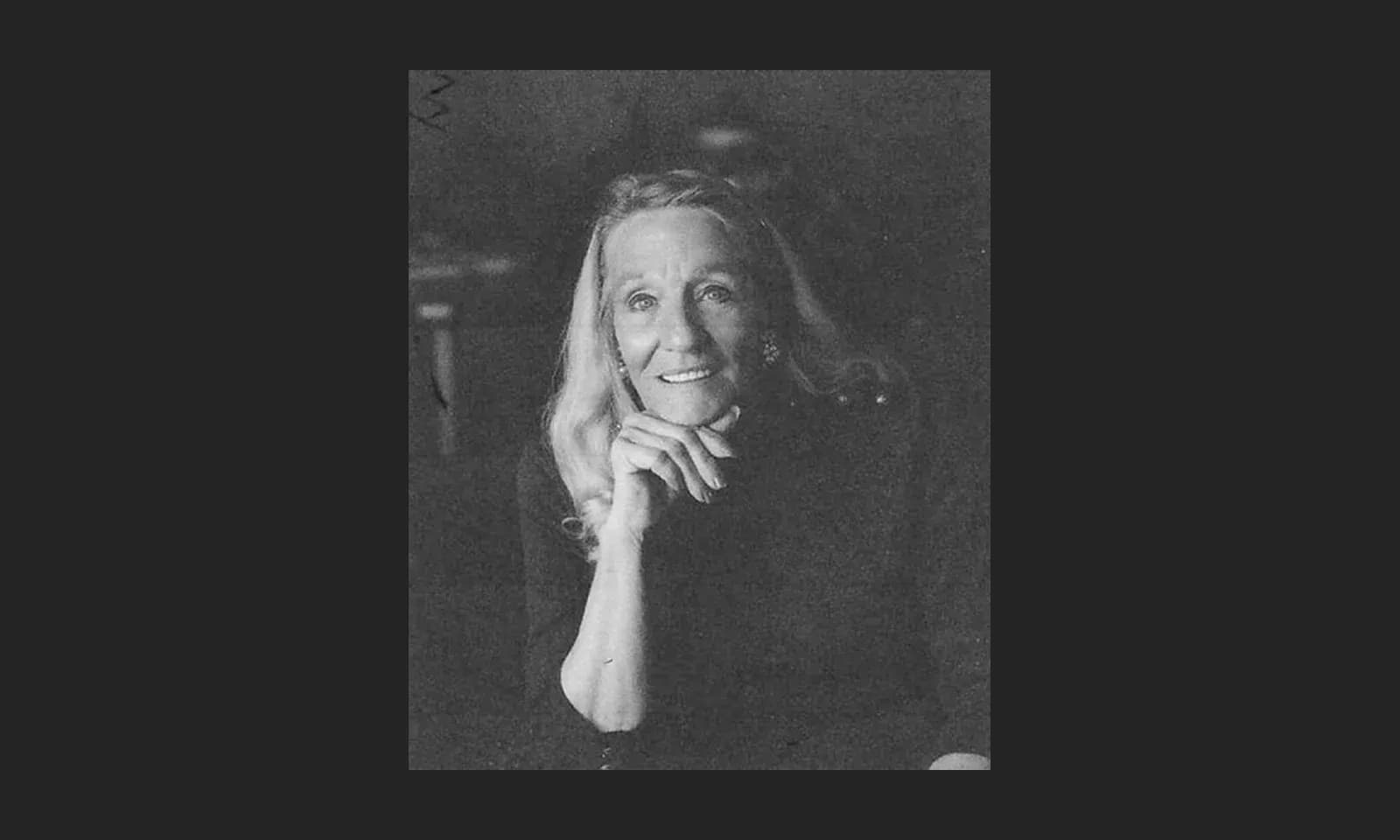
Maureen Hughes, a former police officer and bodyguard who has spent 26 years writing true crime, decides whether to believe someone by watching what they do while they answer.
“It wasn't formal training. It's experience, dealing with people day after day. You learn to watch their actions: are they fidgeting, avoiding eye contact, pacing? Those things make me question whether an answer is a programmed response or the truth.”
— Maureen Hughes
She learned to read people over 21 years of police work in southern Illinois counties and at the University of Illinois, and as a bodyguard and private investigator, and she credits two early supervisors with the discipline behind her reporting. As a true crime author she has conducted hundreds of interviews, she says, some used in later books and others kept for reference. Among them were 10 strong cases she felt she could solve. All five of her books are about people or events in Illinois, and she discussed them with Jim Masters on Close Up Radio on September 30.
The Untold Story of Marajen Stevick Chinigo and Mafia Lord Johnny Rosselli
by Maureen Hughes
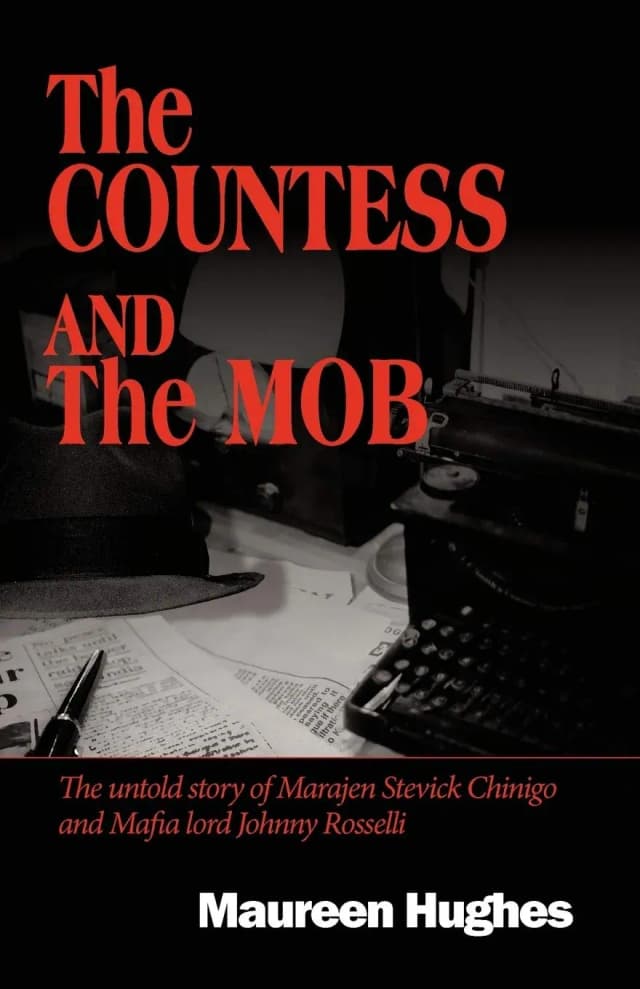
Maureen Hughes first met Countess Marajen Stevick Chinigo in a hospital room in Champaign, Illinois, where she was assigned to protect her. After three years of research and conversations with the Countess's friends, she tells the story of the newspaper heiress who mixed with Frank Sinatra, Joan Crawford and Lucky Luciano, her marriage to Johnny Rosselli and her ties to the Mafia.
We may earn a commission from purchases made through this link.
The Countess and Johnny Roselli
Maureen first met the woman she calls the Countess, Marajen Stevick Chinigo, the longtime owner of The News-Gazette in Champaign, in a hospital room where she had been assigned to guard her. Years later she saw her again at an art museum, gowned and gracious, greeting university presidents by name. Watching her hold court, Maureen sensed there was something underneath the performance.
Later, a stranger sat down beside her on a park bench and told her there was more to the story than she knew. The conversation turned into a two-hour dinner, where the stranger told her the Countess had once been married to Johnny Roselli, who represented the Chicago mob in Las Vegas.
The research that followed took three years, much of it spent talking to the Countess's friends. Maureen came to believe the Countess had her own husband killed in Rome, and that fear and guilt led her to spend the rest of her life recording every room in her house. Maureen published the story as The Countess and the Mob in 2010.
Her Books on James Earl Ray, the Slave House and a Chicago Private Investigator
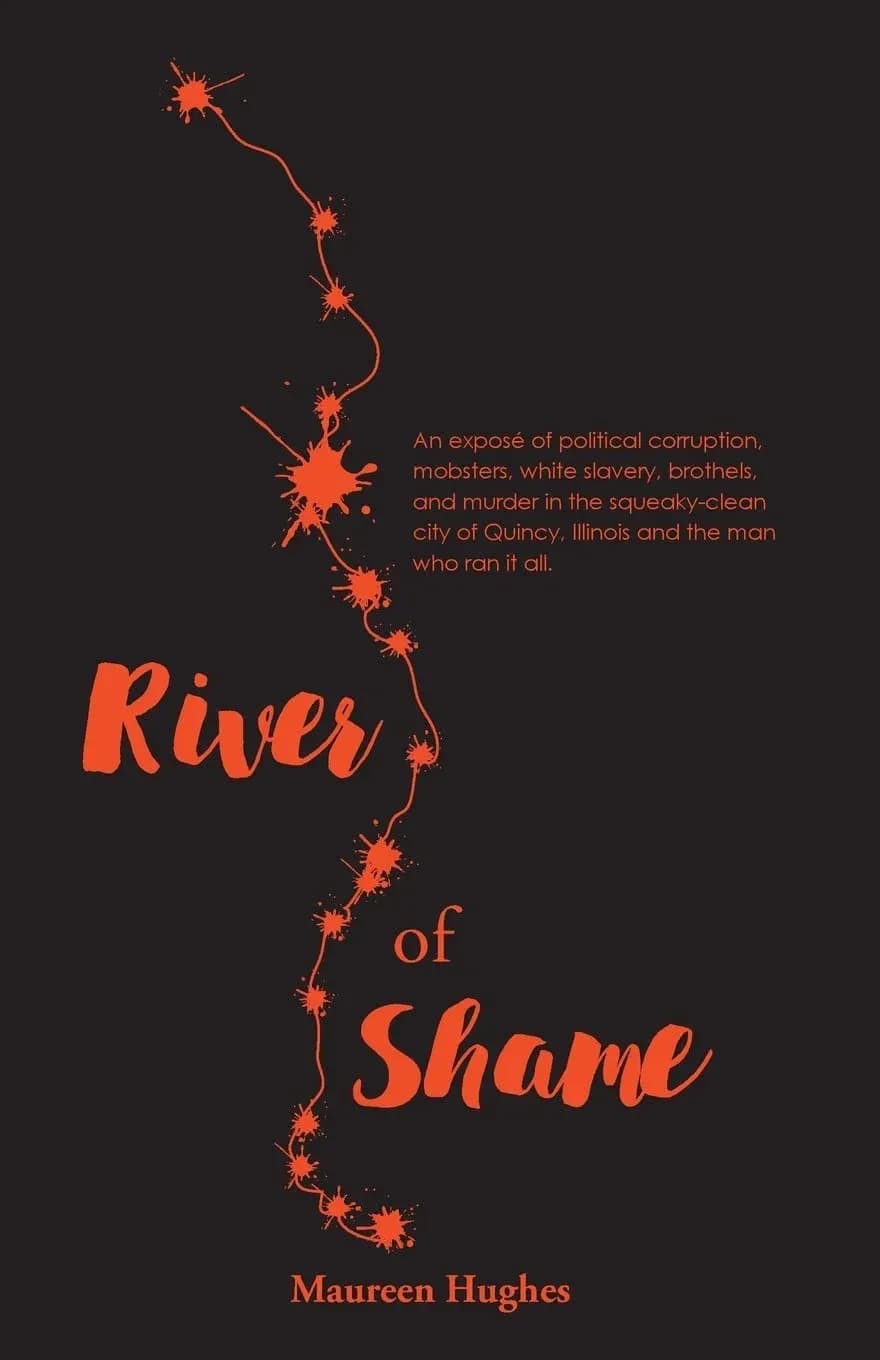
In River of Shame, Maureen writes that Ted Crowley, a mob figure in Quincy, Illinois, recruited a young, poor and uneducated James Earl Ray to run errands for his gambling operation, long before Ray was convicted of killing Martin Luther King Jr. The book asks whether Ray was a patsy for the real killer.
An Angry Fire Still Burns tells the story of the so-called Slave House in southern Illinois, which was promised to enslaved people as a stop on the Underground Railroad. Those who trusted it were sent back south instead. Maureen toured the building's third floor herself and later found a woman whose great-great-aunt had been sold there, sale bill and all. After reading the book, a state superintendent of schools wrote to tell her he had cried on a flight while finishing it.
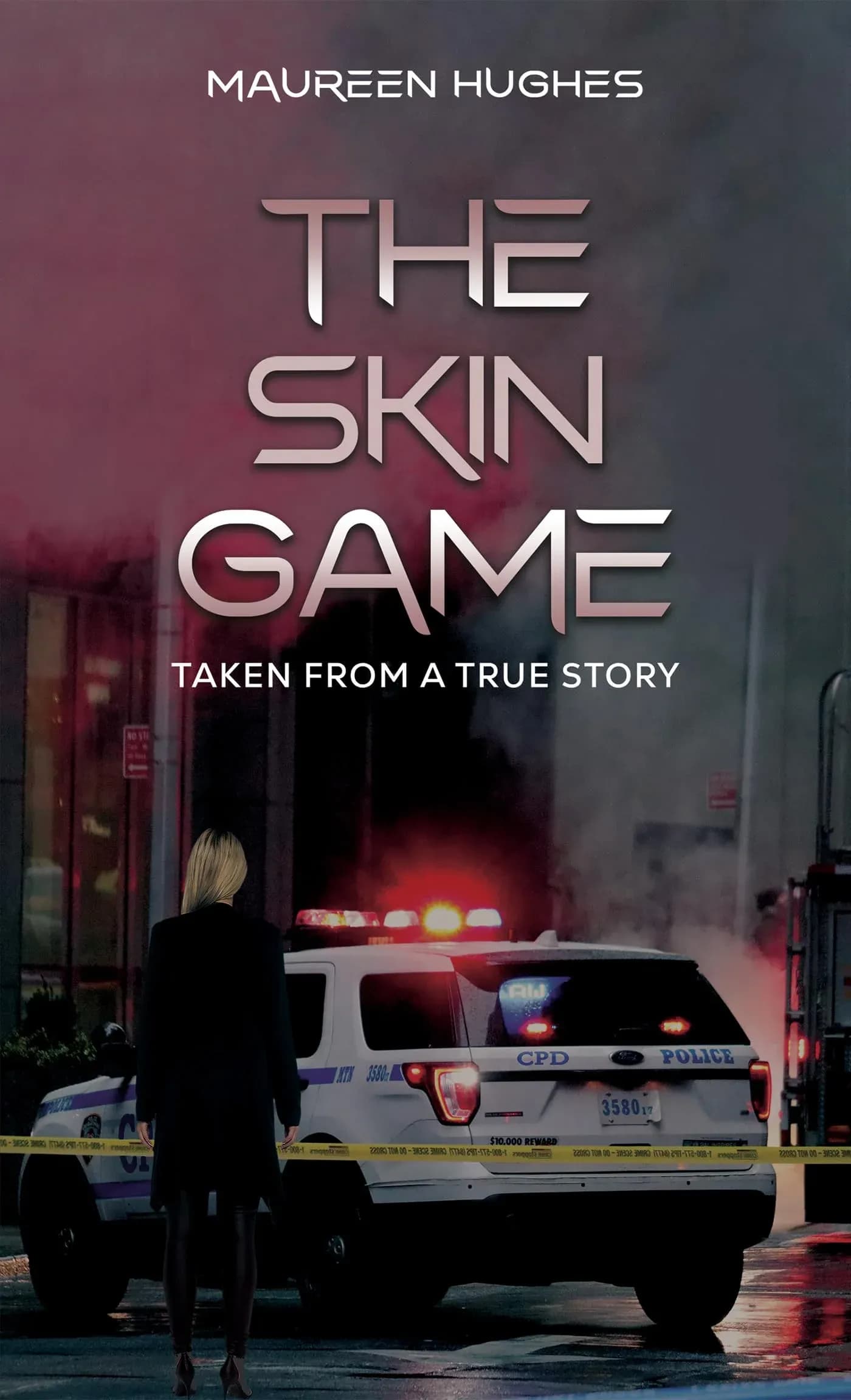
The Skin Game, her only work of historical fiction, draws on her police work. Its Chicago private investigator, Samantha O'Malley, is about 95 percent her, Maureen says, down to a mission in which she posed as a decoy at a mafia sit-down dinner staffed entirely by undercover FBI agents.
Staying Safe While Investigating Organized Crime
Throughout her career, Maureen has never stayed in the same motel two nights running. "While investigating, I'm always watching small things: where I park, where I eat, where I sit in a restaurant, details that seem minor but can keep you from getting hurt," she says. "I rarely kept documents myself, since many couldn't be copied, but sources were willing to show them to me, often at their own expense, risking exposure and punishment so the truth could get out."
Her most dangerous reporting was in Cairo, Illinois, where a former state representative, the son of a local nightclub owner, asked her to reopen his father's case, which had been ruled a suicide in 1956. Maureen says she proved he was murdered. She traced a second weapon through a source in Florida, and the next morning watched a news report showing the building where that gun was supposedly hidden on fire. The case is at the center of Sins of the South, her book on mafia links in small southern Illinois towns.
After she testified in a high-profile mob case, people who wanted her silenced found her, and she had to leave Illinois for her own safety. She keeps a photograph of Frank Serpico, the former New York police officer whose whistleblowing nearly got him killed. "He was only trying to be a good, decent cop. But he found out some things, very much like I did. And his life was threatened. He had to leave the country," she says. "Thank God I haven't had to leave the country, yet."
Maureen raised two sons and a daughter while keeping her investigative life apart from her family, a line she says was never easy to hold. Asked whether she wishes she could forget what she has learned, she says no, because it gave her a clear picture of how power works and what silence protects.
What is the easiest way to tell if someone is lying?
Maureen Hughes watches what people do while they answer. Fidgeting, avoiding eye contact and pacing make her question whether an answer is a programmed response or the truth. She learned to read those signs over years of police work and hundreds of interviews, not through formal training.
What are the risks associated with investigative journalism?
For Maureen, the risks have been personal. After testifying in a high-profile mob case she was found by people who wanted her silenced, and she had to leave Illinois for her own safety. She never stays in the same motel two nights running, and the sources who showed her documents often did so at the risk of exposure and punishment.
How do investigative journalists get their information?
Maureen works mainly from interviews, hundreds of them over her career by her own count, and from documents that sources let her see but not copy. She also goes to the places involved, as she did at the Slave House in southern Illinois, and tracks down the families of the people in her stories.
What happened to Johnny Roselli?
Johnny Roselli, who represented the Chicago mob in Las Vegas, disappeared in July 1976, and his body was found in a steel drum in a bay near Miami in August that year. Maureen's book The Countess and the Mob tells the story of the Champaign newspaper owner she was told had once been married to him.
Thomas LeBrun's Aurora Rift, a Time Travel Book for Outlander Readers, Named an NYC Big Book Award Distinguished Favorite
By Darie Nani
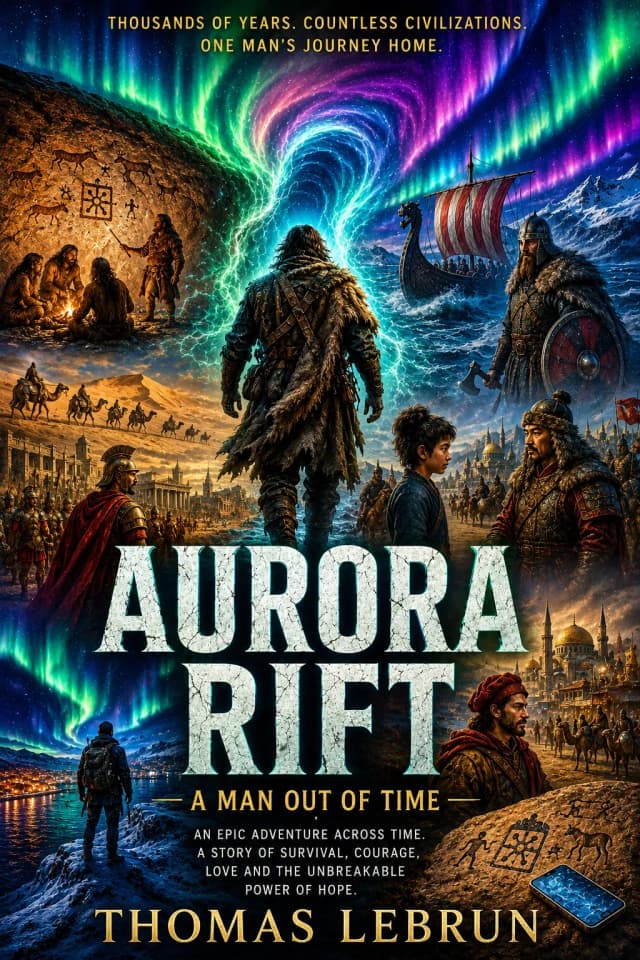
Aurora Rift: A Man Out of Time, the time travel novel by bodyguard and author Thomas LeBrun, has been named a Distinguished Favorite in the Action/Adventure category of the 2026 NYC Big Book Award. The book is featured on a Printed Word Reviews billboard in Times Square, New York, on October 10.
Its hero, Dr. Kyle Richards, is a paleoanthropologist from Boalsburg, Pennsylvania, and a lifelong martial artist. In December 2025 he is working at the ancient rock carvings at Alta in northern Norway when a violent aurora throws him back through time. At home, his wife Samantha works with two scientist friends to find him. The farther Kyle travels, the more he holds on to Samantha and their two teenage children, his link to the man he was before the rift.
Dr. Kyle Richards, a paleoanthropologist and lifelong martial artist from Pennsylvania, is working at the ancient rock carvings at Alta in northern Norway when a violent aurora throws him back through time. From Stone Age Norway to the Viking age, the Mongol steppe and Kublai Khan's court, he survives by staying calm and reading the people around him, while his wife Samantha works from home to find him.
We may earn a commission from purchases made through this link.
Time Travel Books Like Outlander With Survival at the Center
Diana Gabaldon's Outlander (1991) sends a nurse from 1946 back to Scotland in 1743, and most lists of time travel books like Outlander are led by romance and set in Scotland. Aurora Rift has a male lead, moves across many eras and takes its tension from survival and fighting, which suits readers of historical time travel novels who care more about the danger than the love story.
"Many time travel novels are predictable. I wanted mine to be action-oriented, coupled with some emotional content, a real page-turner," LeBrun says.
Kyle usually cannot speak the local language where he lands, so he gets by on reading people, watching their posture and holding back his own strength. He notices the exits without thinking and watches a stranger's hands before the face, as he is trained to do.
Kyle's "discipline lets him travel through time without panic, just assess the environment and adapt," LeBrun says. "That's very much drawn from my own experience working in different countries."
LeBrun has worked in close protection for more than 40 years, for clients including Bill Gates, Elton John and Whitney Houston, on assignments in 45 countries. He has trained in martial arts since 1974, starting with Judo, Tae Kwon Do and Okinawan Kenpo and later adding Yoshitsune Jujutsu, Muay Thai and Arnis. He lives in New Hampshire. His earlier books are the memoir Hiding in Plain Sight: My Life and Adventures Protecting Celebrities (2021) and the Cameron Stone action thriller series, now five books long with a sixth in progress.
From Stone Age Norway to Kublai Khan's Court
Aurora Rift covers thousands of years. Kyle passes through Stone Age Norway, the Viking age around 793 and the Mongol steppe, where he meets the young Temujin, later Genghis Khan. He reaches the Huns under Attila, Rome's Danube frontier in the 370s and the Silk Road, and in 1275 he is at Kublai Khan's court with Marco Polo. He also spends time in Persia in the build-up to Xerxes' invasion of Greece, and in 18th-century Sweden.
LeBrun says the book took roughly nine months to a year to write, including the historical research and the storyline.
"We tend to look at history as something finished and behind us," he says, "but every person who ever lived experienced their own time as the present. They had families, worried about tomorrow, loved, lost, fought, survived, hoped and dreamed, without knowing how history would remember or forget them."
How the Northern Lights Became the Rift
"I've always been fascinated by the Aurora Borealis. We understand the science, but seeing it move across the sky still feels mysterious, like a curtain separating our world from somewhere else," LeBrun says. "As a writer, I started asking: what if, under the right circumstances, it actually was?"
In the book's foreword, he describes the rift as a natural fracture in time that opens during a solar superstorm, when Earth's magnetic field is twisted violently, perhaps once in a thousand years. He also writes that the book is more about science fiction than science fact.
Aurora Rift is his first science fiction novel. "I had already written five action thrillers when, months ago, my son asked if I could write a sci-fi book," he says. "The rest, shall we say, is history."
The Time Travel Films Thomas LeBrun Recommends
Asked what he would hand a reader who loved Outlander, LeBrun named three time travel films.
Looper (2012). An assassin who kills people sent back from the future is given his older self, played by Bruce Willis, as a target. LeBrun calls it "a strong choice for action, suspense, and moral dilemmas."
Back to the Future (1985). Marty McFly travels to 1955 and puts his own future at risk. It is LeBrun's pick "for pure entertainment: clever storytelling, humor, and the consequences of changing history."
The Time Machine (2002). Guy Pearce plays an inventor who travels into the distant future. LeBrun chose it "for sweeping adventure and imagining how humanity might change across time."
FAQ
What are some books similar to Outlander that feature time travel?
Aurora Rift: A Man Out of Time by Thomas LeBrun is a time travel novel with a male lead, Dr. Kyle Richards, whose story turns on danger and survival rather than romance. He is thrown back through time from northern Norway and moves through eras from the Stone Age to 18th-century Sweden.
What should I read if I liked Outlander?
Readers who enjoyed the trip into the past in Outlander but prefer survival and history to romance can try Aurora Rift: A Man Out of Time. LeBrun, a bodyguard for more than 40 years and a martial artist since 1974, wrote its hero to stay calm, assess each new place and adapt.
What award did Aurora Rift: A Man Out of Time receive?
It was named a Distinguished Favorite in the Action/Adventure category of the 2026 NYC Big Book Award. It is also featured on a Printed Word Reviews billboard in Times Square, New York, on October 10.
Where does Aurora Rift: A Man Out of Time take place?
It opens at the ancient rock carvings at Alta in northern Norway in December 2025 and moves through many eras and places, from Stone Age Norway to Kublai Khan's court in 1275. At home in Pennsylvania, Kyle's wife Samantha and two scientist friends work to find him.
Joseph Howse's Soviet-Era Novel The Circus and the Atom Wins World Literature and Audiobook Fiction at the 2026 NYC Big Book Award
By Darie Nani
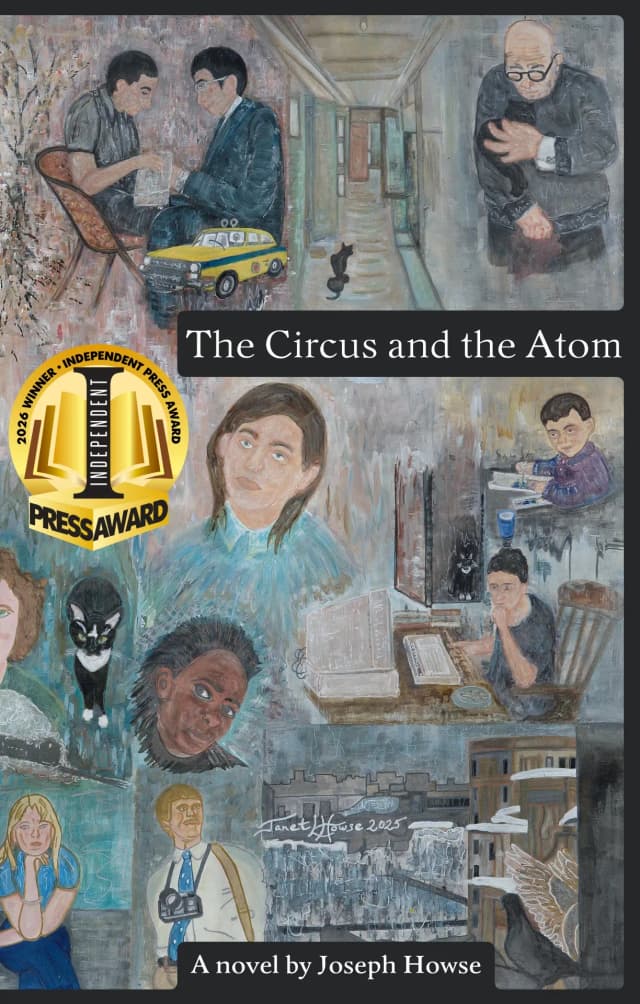
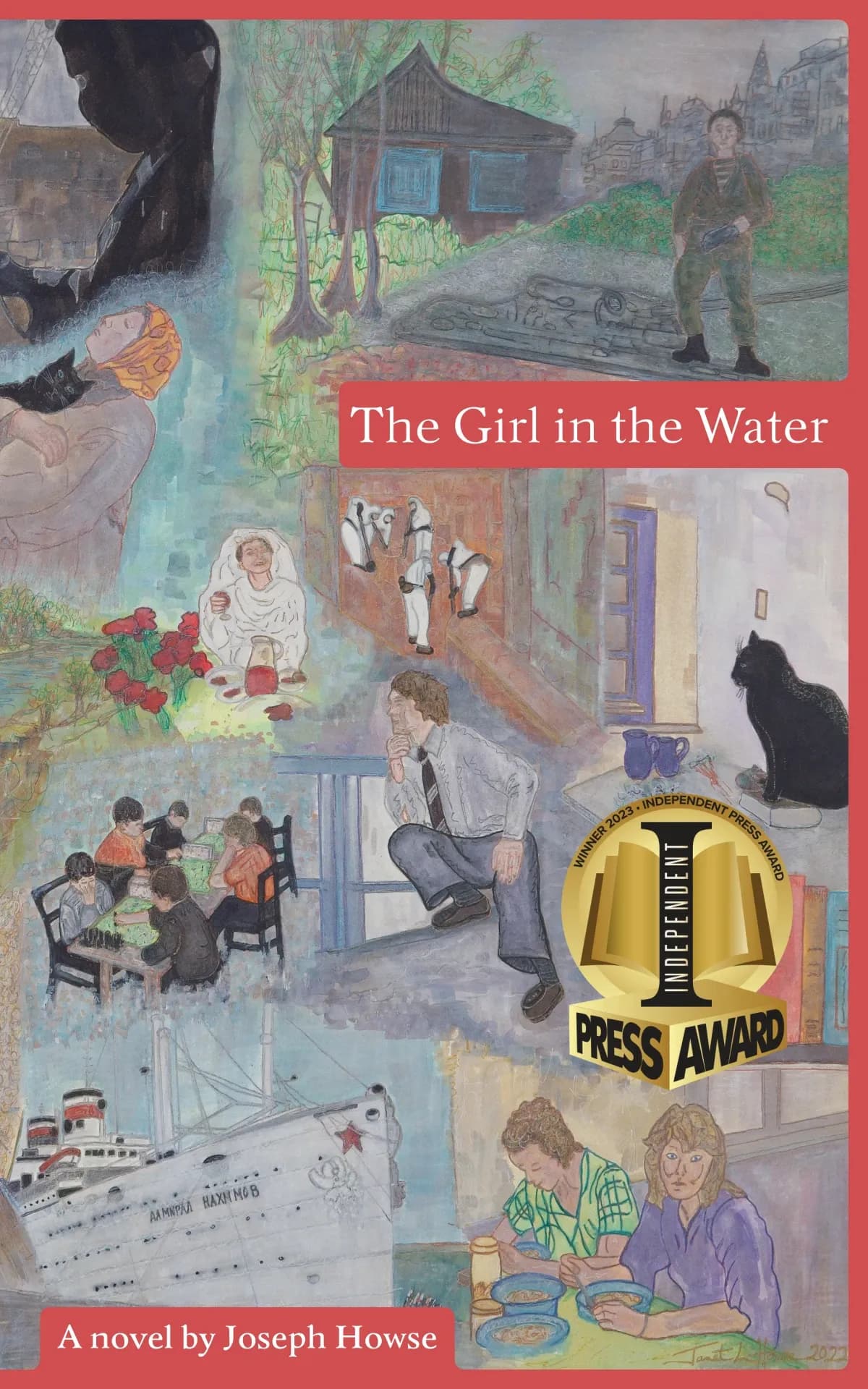
Joseph Howse's second novel, The Circus and the Atom, has won both the World Literature and the Audiobook Fiction categories at the 2026 NYC Big Book Award, and was named a Distinguished Favorite for its cover design. His debut, The Girl in the Water, added a Distinguished Favorite in Audiobook Fiction, so both books in his Next Year's Snow series were recognised on the same day. The two audiobooks are narrated by Annette Chown, and both covers are by Janet Howse, a painter and former stage actress who is also the author's mother.
New Year 1988/1989: a theatre student, a taxi driver, a partisan and a crook join a detective's family in Kiev for an ill-fated reunion. They and the Soviet nation face a violent reckoning as old secrets and fugitive hopes emerge.
The second novel in the Next Year's Snow series won the World Literature and Audiobook Fiction categories at the 2026 NYC Big Book Award and was a Distinguished Favorite for its cover design. The audiobook is narrated by Annette Chown.
We may earn a commission from purchases made through this link.
“This sequel explores a point of no return — the start of the USSR's breakup amidst an outpouring of grief, hope, exhaustion, and hatred — and the characters have little time to choose where they stand as this new world throws a time bomb their way.”
— Joseph Howse
The Circus and the Atom opens over the New Year of 1988 into 1989, when a theatre student, a taxi driver, a partisan and a crook join a detective's family in Kiev for a reunion that does not go to plan. Around them the Soviet Union is coming apart in several ways at once. Joseph describes people joining hands in song across the Baltics, neighbours turning on neighbours in the Caucasus on the brink of civil war, and shell-shocked teenage soldiers coming home from Afghanistan only to be deployed as riot police. For the family at the centre of the book the fallout of Chernobyl still shapes daily life, as it did in the first novel, and its members are only now beginning to speak about secrets they have kept from one another.
Cold War Historical Fiction Set in Kiev on the Eve of 1989
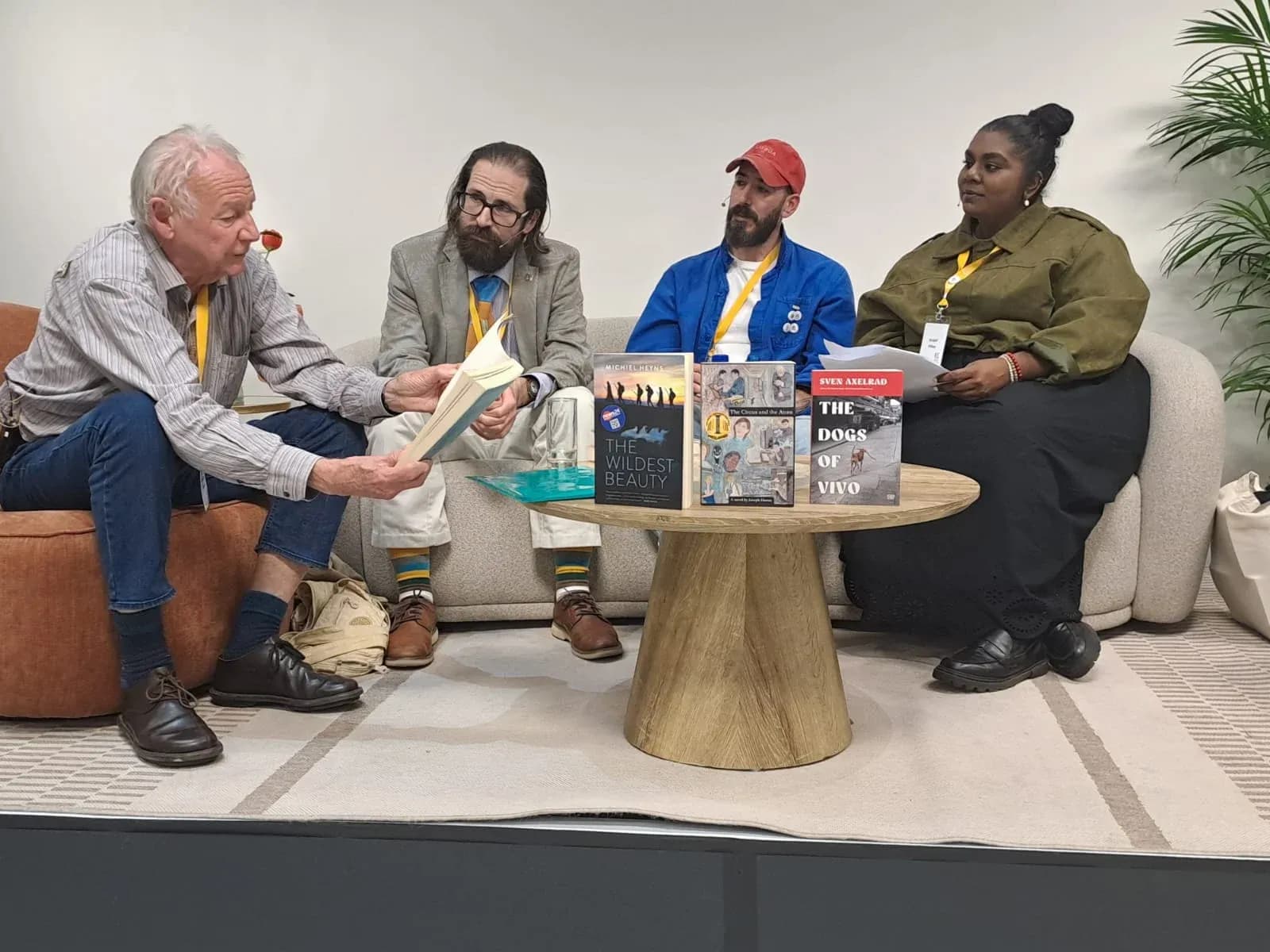
Printed Word Reviews called the novel "a riveting and deeply resonant work of historical fiction that trades the sprawling landscape of its predecessor for the claustrophobic tension of a single, pivotal moment in time", and described it as "a high-stakes, character-driven drama infused with a palpable sense of political noir". Earlier in 2026 the book won the Literary Fiction and World Literature categories at the Independent Press Award, an excerpt was published in South Africa's Sunday Times in May, and Joseph sat on the literary fiction panel at this year's Kingsmead Book Fair in Johannesburg alongside Michiel Heyns, Sven Axelrad and Shakti Pillay (pictured together above).
The Girl in the Water, published in 2022, introduced the same family through Nadia, a Soviet teenager who witnesses a friend's near-drowning on a remote northern beach. Over the course of the book her life is pulled apart by her family's move to Ukraine, a dubious courtship, the Chernobyl disaster, police surveillance and the war in Afghanistan. Four teenagers and a feral cat carry the story, which Joseph describes as a tragicomedy set against civilisations in decline. Printed Word Reviews called it "a deeply moving and meticulously crafted work of literary fiction that takes readers into the often-unseen domestic world of the Soviet Union in the 1980s", and IndieReader wrote that the prose "evokes the literary styles of Tolstoy and Dostoevsky". The debut won the Independent Press Award for Literary Fiction in 2023 and was itself a Distinguished Favorite at the NYC Big Book Award that year. It was also chosen as the Multicultural Fiction winner at the 2023 IAN Book of the Year Awards, took a bronze medal at the 2023 IPPY Awards, and received an Honorable Mention at the 2024 Eric Hoffer Book Award.
A Historical Fiction Audiobook Narrated by Annette Chown
“Every page is, to me, like a story told to one person and I believe this intimacy helps the work adapt well as audio.”
— Joseph Howse
Both audiobooks were produced by Audio Factory in Somerset, which organised auditions from which Joseph chose Annette Chown, a British actress who trained at the Royal Welsh College of Music and Drama and whose credits include BBC Radio 4's Private Peaceful and audiobooks for the crime writer Carla Kovach. The Girl in the Water runs to just over 16 hours in her reading, and The Circus and the Atom followed in audio in July 2026. Joseph says she has created a range of voices for the whole cast, from teenage girls to policemen, circus artists, mathematicians and old survivors. "Leaning into the nuances of the text, she never fails to make a double meaning clear or to bring a sense of warmth, tears, and eccentricity to a tragicomic tale," he says. Awards sponsor Gabby Olczak said of the NYC Big Book Award result: "To have The Circus and the Atom recognized so broadly, from its core text to the audio performance and visual design, is a huge honor. Seeing both of these audiobooks celebrated with Annette Chown's brilliant narration must make this recognition especially rewarding for Mr. Howse."
Joseph says the writing is grounded in a wide observation of the world, drawn from his own life and from people close to him, and that the series is a saga spanning decades, continents and vast changes that resonate with diverse readers.
A Small-Press Series in 80 Public Library Systems Across Seven Countries
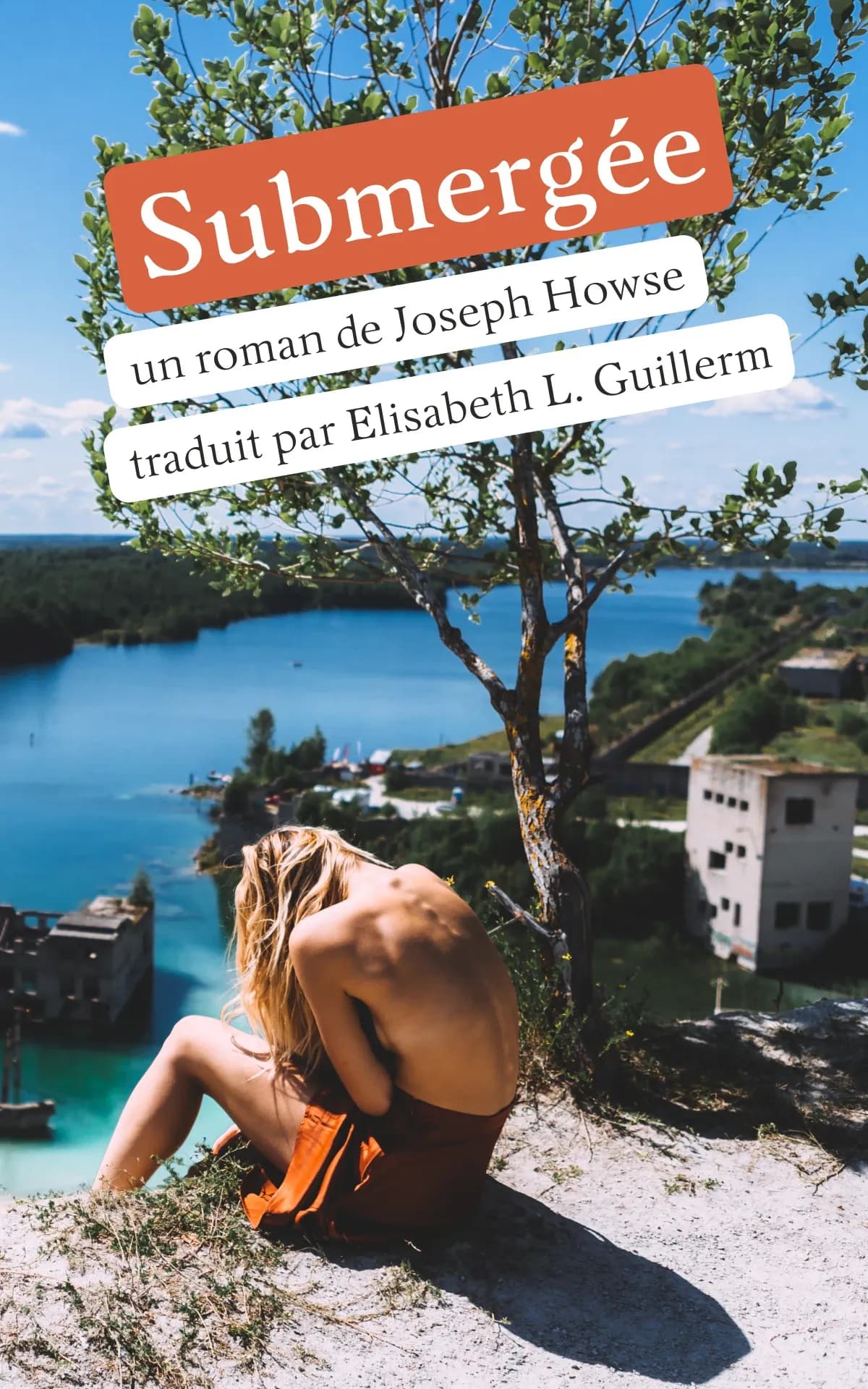
The Next Year's Snow series has sold to more than 80 public library systems in seven countries, which Joseph calls a library hit in the world of small-press books. The count includes a French translation of the first novel, Submergée, by the Lille-based translator Elisabeth L. Guillerm, released in May 2026 under the series title Les Neiges de demain. The books are published by Nummist Media in paperback, ebook and audiobook, and are stocked by Amazon, Barnes & Noble, Chapters Indigo, Bookshop.org, Apple Books, Kobo and Google Play, with the audiobooks on Audible and library platforms including OverDrive and hoopla.
A Computer Vision Specialist Writing Novels From a Nova Scotia Fishing Village
Joseph was born in Halifax, Nova Scotia, and lives in a fishing village on the province's coast, where, as his author biography puts it, he chats with his cats and tends an orchard of hardy fruit trees. He holds four degrees from Dalhousie University, including a BA in French and a master's in computer science, and runs Nummist Media Corporation, a family company that consults on computer vision and image analysis. He has also written several technical books on the OpenCV library for Packt Publishing, including Learning OpenCV 5 Computer Vision with Python and OpenCV 4 for Secret Agents. He is a member of the Writers' Union of Canada and the Writers' Federation of Nova Scotia.
Joseph's father, a journalist, wrote constantly about the USSR during his childhood, and the family had computer simulations of Soviet history and of events then in the news, among them Chernobyl, bread queues and tanks in the streets. Long before he could visit, he says, he wondered about people's lives in that part of the world. He began reading Eastern European literature at 15, has since travelled in Ukraine, Estonia and the other settings of the series, and has been close to several people who grew up in the former Soviet Union. "I love how the world of books can fill everyday conversations with people who have grown up in those cultures," he says. He still reads every draft aloud to his mother to test how it will perform.
The Next Year's Snow Series: A Second French Translation and Three More Novels
A French edition of the second novel, Le Cirque et l'atome, is due around the end of 2026. Joseph is now writing the third book, Vladimir and I, for 2027, set in the 1990s as several of the characters chase their dreams abroad, whatever the cost. The series will continue with a fourth instalment, The Painter at War, set in present-day Ukraine, and a prequel, Ninel, set during the Second World War.
The NYC Big Book Award is judged by publishers, writers, editors, designers, booksellers and librarians, and this year drew entries from the United States, Canada, the United Kingdom, Australia, Germany, France, Singapore, South Korea and elsewhere, including submissions from Penguin Random House, Routledge and Palgrave Macmillan. Winners and Distinguished Favorites are invited to receive their awards at the awards dinner on 10 April 2027, held during the BookCAMP event.
It is the second novel in Joseph Howse's Next Year's Snow series, set in Kiev over the New Year of 1988 into 1989. A theatre student, a taxi driver, a partisan and a crook join a detective's family for a reunion as the Soviet Union begins to break up, and old secrets and a threat close to home force each of them to decide where they stand.
Do I need to read The Girl in the Water before The Circus and the Atom?
The two books follow the same family, and The Girl in the Water introduces Nadia and the events, including Chernobyl, that still shape the family in the sequel. Reading them in order gives the fullest picture, but the second novel is set at a single pivotal moment and introduces its characters in its own right.
Who narrates the Next Year's Snow audiobooks?
Both The Girl in the Water and The Circus and the Atom are narrated by the British actress Annette Chown. The Circus and the Atom won Audiobook Fiction at the 2026 NYC Big Book Award and The Girl in the Water was a Distinguished Favorite in the same category.
What is the NYC Big Book Award?
An annual international book competition announced each autumn, open to authors, publishers and illustrators of every size, from the largest publishing houses to self-published authors. Entries are judged by publishers, writers, editors, designers, booksellers and librarians, and the 2026 winners and Distinguished Favorites will be honoured at an awards dinner on 10 April 2027.
Reading App Omphalis Lets Readers Use AI to Understand a Research Paper by Asking Questions Out Loud
By Darie Nani
Omphalis, a reading app from the US company Voxiven, now lets readers ask questions about a research paper out loud and hear an answer designed to be grounded in their selected sources. The feature, Ask voice, launched on September 30 in the Omphalis web app. Each spoken answer arrives with numbered sources, and choosing one opens the cited passage, highlighted, in the paper.
"I'm a much better listener, especially in conversation," says Stanly Thomas, the founder of Voxiven, who has more than 20 years of engineering experience, including roles at Microsoft, Oracle and Schneider Electric. "I can concentrate intensely for a while, but then lose the thread of an argument. I wanted to pause while reading a dense paper and say, 'Can you explain what the author means here?' and keep talking until it made sense. That's what we built into Omphalis: a way to keep the conversation going while keeping the answers grounded in the source I'm reading."
Using AI to Understand a Research Paper by Voice
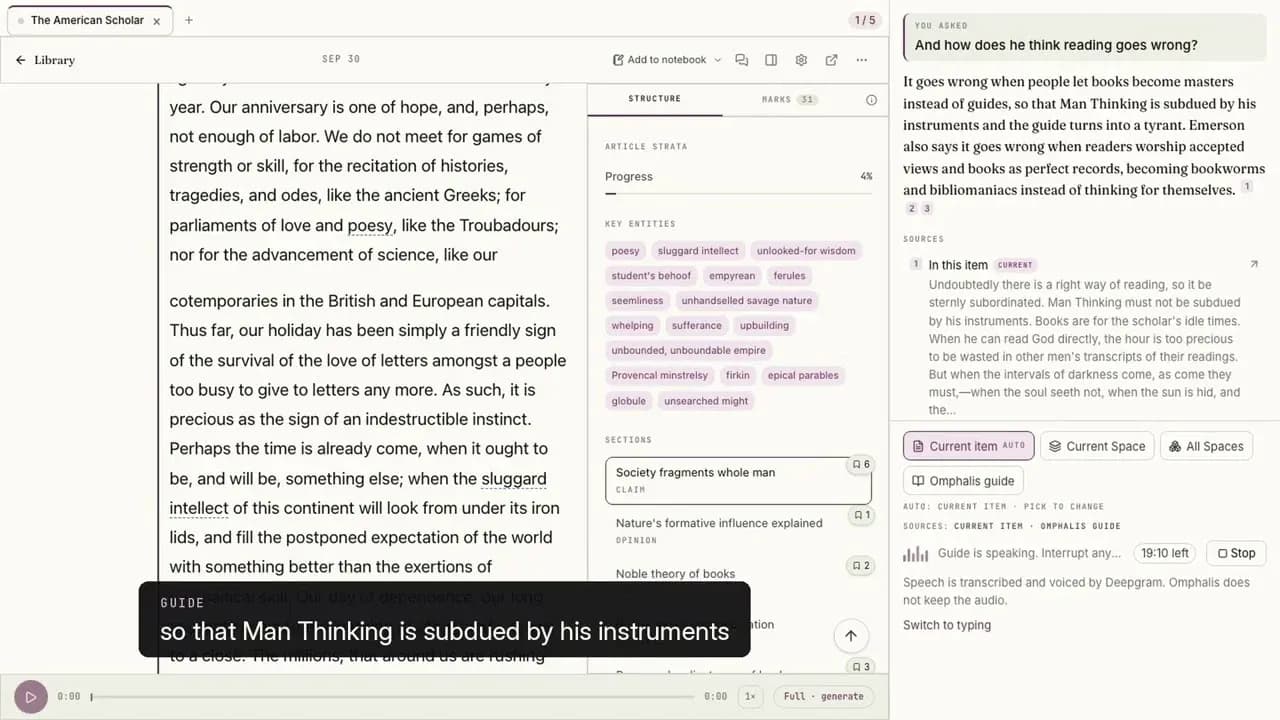
Much of the advice online for reading a hard paper with AI is to paste it into a chatbot, ask for a summary and then ask for the terms to be explained. Ask voice runs in the browser beside the paper being discussed. The reader presses Talk, Ask greets them by name, mentions what is open and listens, and a live transcript shows each question as it is spoken. Ask starts speaking while an answer is still being put together, so the exchange keeps a conversational pace over several turns.
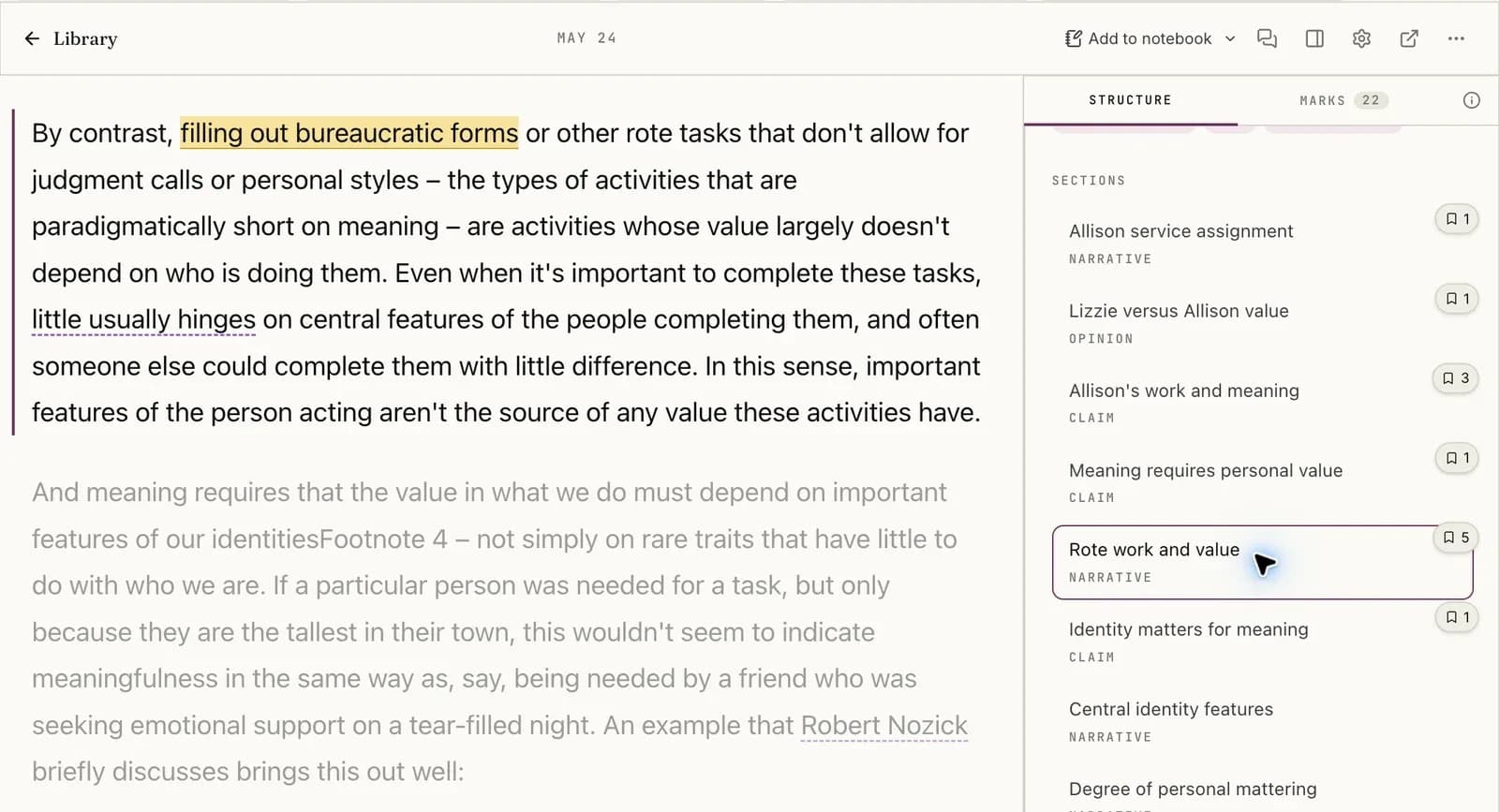
Ask keeps the thread of the conversation, so a follow-up about what a term means or how two claims fit together is treated as part of the same line of thought. In a demonstration on Ralph Waldo Emerson's 1837 address "The American Scholar," a reader asks what Emerson says is the right use of books. Ask answers aloud that, for Emerson, books are for nothing but to inspire, and that the scholar, as Man Thinking, must not be subdued by them. The reader follows up with "And how does he think reading goes wrong?" and the second answer draws on Emerson's warnings about bookworms and bibliomaniacs, with numbered sources that lead to the passages it used. In the video, the reader's questions are spoken by a synthetic voice so the demonstration can be repeated, and the answers and on-screen interaction come from the running app.
The reader decides what Ask may draw on, whether the item open in front of them, a Space of related material or their whole Library. Ask proposes a starting scope from the question, and the reader can change it at any time. A fourth option, Omphalis guide, answers questions about using the app. "The reader stays in control of the scope. If they select it explicitly, Ask respects that choice," Thomas says. "When Ask selects the scope automatically, it may retry within the same Space, but it never automatically searches across all Spaces or goes out to the web."
Readers can interrupt by speaking, switch to typing at any point and end a session by saying so. A session lasts up to 20 minutes, and each question and answer stays in the conversation panel as text, with its sources, after the session ends. Speech is transcribed and voiced by Deepgram, and Omphalis does not keep the audio.
AI Answers Grounded in the Reader's Own Sources
Ask is designed to ground answers about a reader's material in their selected sources, with citations they can inspect. It does not read its citations aloud. They appear beside each spoken answer, and choosing one opens the passage in the reader, highlighted within the text around it. Answers can still be wrong, so readers should check the original passages.
Photo: Omphalis
A study by the European Broadcasting Union and the BBC, published in October 2025, checked more than 3,000 answers about the news from ChatGPT, Copilot, Gemini and Perplexity and found at least one significant problem in 45% of them. The study covered news answers from those four assistants and did not test Omphalis.
"Grounding doesn't make an answer infallible, but it gives the reader a way to inspect it and stay in control," Thomas says. "In a spoken conversation, long pauses interrupt the flow, yet speed can't come at the expense of getting the facts right. We've tuned our pipeline around the sources the reader has chosen and trusts, giving us a defined body of material to work from as we balance precision with the pace of a natural conversation."
When the Sources Cannot Answer the Question
"If the sources can't answer a question, Ask is designed to make that limit clear rather than hide it behind a confident answer," Thomas says. "If there's nothing relevant, it says so directly: 'I couldn't find anything about that in these sources.' If there's related material that doesn't fully answer the question, it explains the gap and points to the closest passage it does have; it's not meant to fill that gap from the model's general knowledge."
Before launch, Voxiven graded 958 Ask answers across 21 evaluation runs between September 23 and 25, using a fixed set of 79 test questions that were repeated across runs, the company says. For voice, it tested 118 spoken questions across 15 automated runs, using computer-generated US, British and Indian English voices. Thomas describes these as internal test figures, not customer usage numbers. The team used them to examine source grounding and the spoken experience before launch.
Chatting With Your Own Documents Using AI
Omphalis brings web articles, research PDFs, EPUBs, Word documents, podcast episodes and YouTube videos into one reading environment, and turns audio and video into transcripts that can be read and questioned alongside written material. Someone studying a topic can gather an introductory article, a detailed paper and a recorded interview in one Space, then ask where the sources agree, where they differ and which passages support a point.
In the reader, a structure panel maps each piece into its sections and its recurring names and terms, and dotted underlines in the text open short explanations of difficult terms and references. A reader can move from the outline to a passage, from a passage to a question and from an answer back to the text. Notebooks keep passages beside the reader's own writing, and a notebook's Ask cells answer questions from its contents and keep the cited responses and follow-up threads.
Photo: Omphalis
Ask Voice for Students, Researchers and Founders
Voxiven designed Ask voice around "people working through material that takes sustained thought: founders researching a market, engineers exploring a technical subject, students and researchers following a dense paper," Thomas says. "We're especially interested in people who find it easier to follow an idea through conversation, as I do. Voice gives them a way to ask, listen and follow up while staying connected to the material."
Omphalis launched in July 2026 and added iPhone and Android apps in August. Ask voice is available now in the web app, in English, and mobile support is planned. New accounts get a 30-day trial of every feature, including 200 voice minutes, without a credit card, then move to the Free plan unless they choose a paid one. Voice comes with the paid plans, each with a monthly allowance of Ask voice minutes: Pro at $9 a month includes 60 minutes, Premium at $19 includes 200 and Scholar at $39 includes 400.
FAQ
Can AI be used to understand research papers?
Yes. In Omphalis, a reader adds a paper to their Library and asks Ask about it, typed or out loud. Ask is designed to ground each answer in that paper or the other sources the reader selected, with numbered sources that open the cited passage so the reader can check the answer against the text.
How to use AI to summarize a research paper?
Most AI tools will summarize a paper on request. In Omphalis, a reader can ask Ask to walk through a paper's argument or method, and each answer lists the passages it drew on, so the summary can be checked against the paper. The structure panel also maps the paper into its sections and recurring terms.
Can I use AI for a research paper?
AI reading tools can help a reader work through papers, compare several sources and find the passages behind a point. Whether AI may be used to write a paper depends on the rules of the university, journal or employer involved. Omphalis is built for reading and understanding saved material, and its answers point back to the source text.
Is ChatGPT the best AI for research?
It depends on the task. Omphalis is designed for working through saved material, with the source open beside the conversation and citations readers can inspect. Readers should still check answers against the original text.
Hot Titles to Read This November, From The Friday Bookshop to Judi Dench's Memoir
By Dr Marina Nani
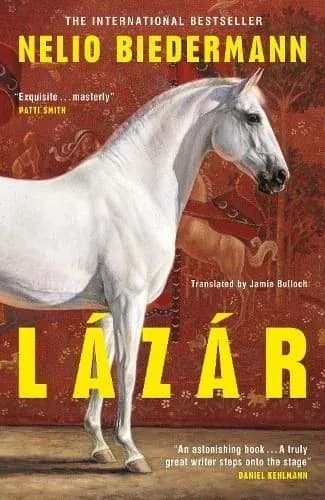
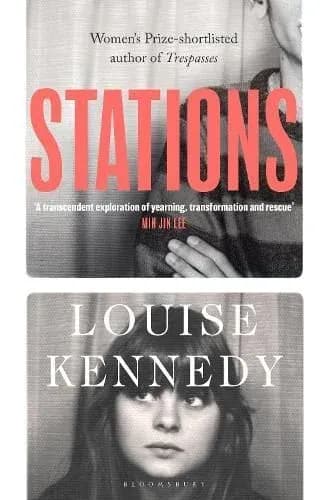
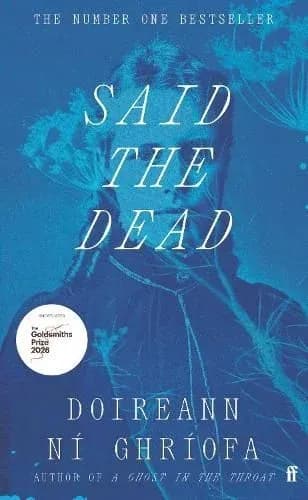
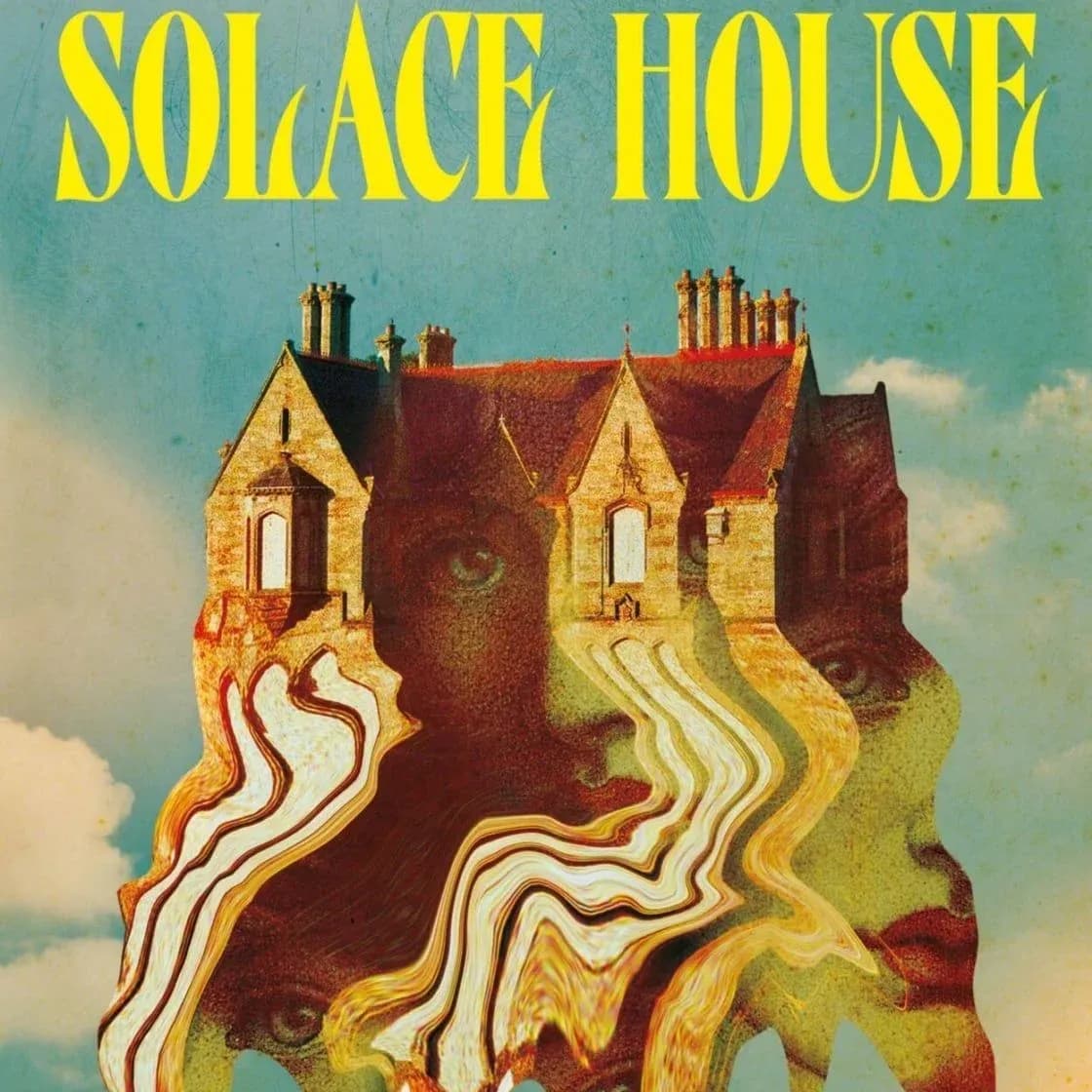
November is a reading month. The light goes by teatime, the heating comes on and a new book becomes the best plan for the evening. This year the month brings a strong crop: two novels in translation, two big memoirs, a family saga that starts in Connemara, a Gilded Age drama, a history for America's 250th anniversary and two genre favourites. Here are the nine titles to put at the top of your pile. Dates are for US publication unless we say otherwise.
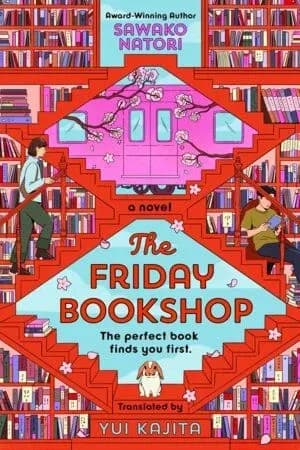
Translated from Japanese by Yui Kajita. Fumiya, a student who rarely reads, finds a small bookshop inside a rural train station north of Tokyo while looking for a book for his ill father. Run by three old school friends, with a cafe whose dishes come from the books they recommend, the shop teaches him how books bring people together.
We may earn a commission from purchases made through this link.
If you loved the recent run of Japanese novels about cafes and bookshops, start here. Fumiya, a student who rarely reads, goes looking for a book for his ill father and finds a small bookshop inside a rural train station north of Tokyo. Three friends who have known each other since school run it. There is a cafe with a menu that changes every day, its dishes inspired by the books the owners recommend, and a vault of books in a disused underground platform.
Fumiya becomes a regular, then a part-time bookseller, and through the shop's customers he learns how books help people find each other and get through the hard parts of life. Yui Kajita translated it from Japanese, and Berkley publishes it on 3rd November.
2. On the Calculation of Volume (Book V) by Solvej Balle
The fifth volume of Solvej Balle's seven-part novel, translated from Danish by Sophia Hersi Smith and Jennifer Russell. Tara Selter, a former bookseller trapped in a repeating 18th November, has settled into a new life with others caught in the same loop. Published in the UK by Faber on 5th November 2026.
We may earn a commission from purchases made through this link.
No novel suits this month better. Balle's heroine, the former bookseller Tara Selter, lives the same day over and over, and that day is 18th November. In Book V she has moved past the confusion of the early volumes and settled into a new life with others caught in the same loop. Balle uses the repeating day to write about loss, longing, loneliness inside a marriage and the fact of mortality, and she keeps testing what a novel can be.
This is the fifth of seven planned volumes, translated from Danish by Sophia Hersi Smith and Jennifer Russell. Faber publishes it in the UK on 5th November, and New Directions in the US on 17th November. If you have not yet started the series, begin with Book I and enjoy knowing that four more are waiting for you.
3. Is It Too Late to Make a Run for It? by Judi Dench
Judi Dench's fourth book, written with Brendan O'Hea, tells her story from childhood to the present: pranks on and off stage, her best-known screen roles, her marriage to Michael Williams and her love of nature and animals. Published in the UK on 22nd October 2026 and in the US by St. Martin's Press on 3rd November 2026.
We may earn a commission from purchases made through this link.
Dench wrote her fourth book with Brendan O'Hea, out of long conversations in which, as she put it, they kept 'recalling stories from my childhood all the way through'. You get the pranks on and off stage, the stories behind her best-known screen roles, her marriage to the actor Michael Williams and her love of nature and animals.
The book reached UK shops on 22nd October and arrives in the US from St. Martin's Press on 3rd November, so it is already waiting for you. Read it on a cold night with a pot of tea and you will feel you have spent the evening in very good company.
Eleven Joyce brothers from a remote corner of Connemara scatter across the world after their mother dies in 1963. Macdara, sixteen, takes on the weight of the family, and when his younger brother Rian runs away at thirteen and disappears, Macdara carries a broken promise through the decades that follow.
We may earn a commission from purchases made through this link.
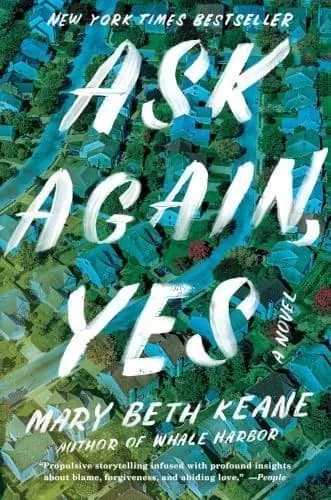
The author of Ask Again, Yes returns with a saga that crosses the Atlantic. Eleven Joyce brothers grow up in a remote corner of Connemara. When their mother dies in 1963, sixteen-year-old Macdara takes on much of the weight of the family while their father is often away. The household breaks apart, and Macdara leaves for work in Montana, leaving behind his younger brother Rian, whom he had promised to stay close to. At thirteen, Rian runs away and disappears.
Gilded Age New York. Isabelle Bishop, widowed by a shipwreck that also took three of her children, pushes her daughter Mariah into marriage with a wealthy man who holds a scandal over her. Inside her new home, Mariah and her ambitious maid Hetty find their own routes to independence, between Manhattan and the Rhode Island coast.
We may earn a commission from purchases made through this link.
The author of The Christie Affair takes you to Gilded Age New York. Isabelle Bishop lost her husband and three of her children in a shipwreck, and she needs security for her surviving daughter, Mariah, and her elderly mother. When the wealthy John Whitten comes calling, his real interest turns out to be Mariah, and he threatens to expose a scandal from her past unless she marries him. Isabelle pushes her daughter into the match, knowing the harm it may do.
Inside her husband's confining house, Mariah finds her own interests with the help of her ambitious maid, Hetty, and the two women look for independence in a world built to deny it to them. The story moves between Manhattan and the Rhode Island coast, and the publisher compares it to Edith Wharton and the Brontë sisters. Simon & Schuster publishes it on 10th November.
LeVar Burton's memoir, written with Tracey Michae'l Lewis-Giggetts, looks beyond Roots, Star Trek: The Next Generation and Reading Rainbow to his childhood during the Civil Rights Movement, the mother who raised him, his life as a parent and husband and his long commitment to equity. Includes family photographs.
We may earn a commission from purchases made through this link.
The title will ring a bell if you grew up with Reading Rainbow, where the line 'you don't have to take my word for it' introduced the children's own book reviews. Burton's memoir, written with Tracey Michae'l Lewis-Giggetts, looks past Roots, Star Trek: The Next Generation and the show that made millions of children readers. 'This is my attempt to pull back the curtain,' he writes.
He tells you about growing up during the Civil Rights Movement, the mother who raised him and the moment he found his calling as a storyteller. He writes about acting as both a way to transform himself and an escape from the hardest parts of his past, and about his life as a father, a husband and a campaigner for equity. In his words, the book holds 'the fears. The fight. The survival. And yes, the joy. All of it.' Random House publishes it on 10th November, with family photographs throughout.
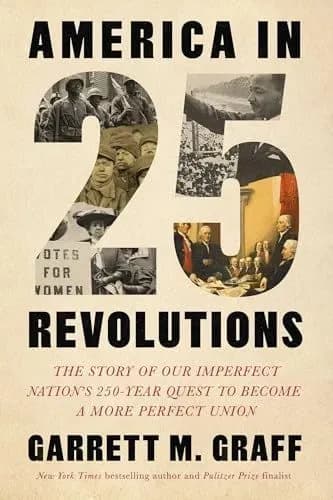
The Story of Our Imperfect Nation's 250-Year Quest to Become a More Perfect Union
by Garrett M. Graff
Garrett M. Graff traces 250 years of Americans pushing their country to keep its promise of equality, from the Reconstruction Amendments and Brown v. Board of Education to the Social Security Act and the Americans with Disabilities Act, through the ordinary people who drove each change.
We may earn a commission from purchases made through this link.
As the United States marks 250 years since independence, the historian and Pulitzer Prize finalist Garrett M. Graff tells its story through the ordinary people who pushed the country to keep its promise that all people are equal. You move through famous turning points and forgotten ones: the Reconstruction Amendments, the Civil Rights Acts, Brown v. Board of Education, the Social Security Act and the Americans with Disabilities Act.
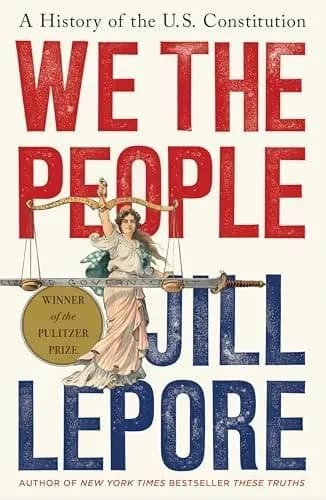
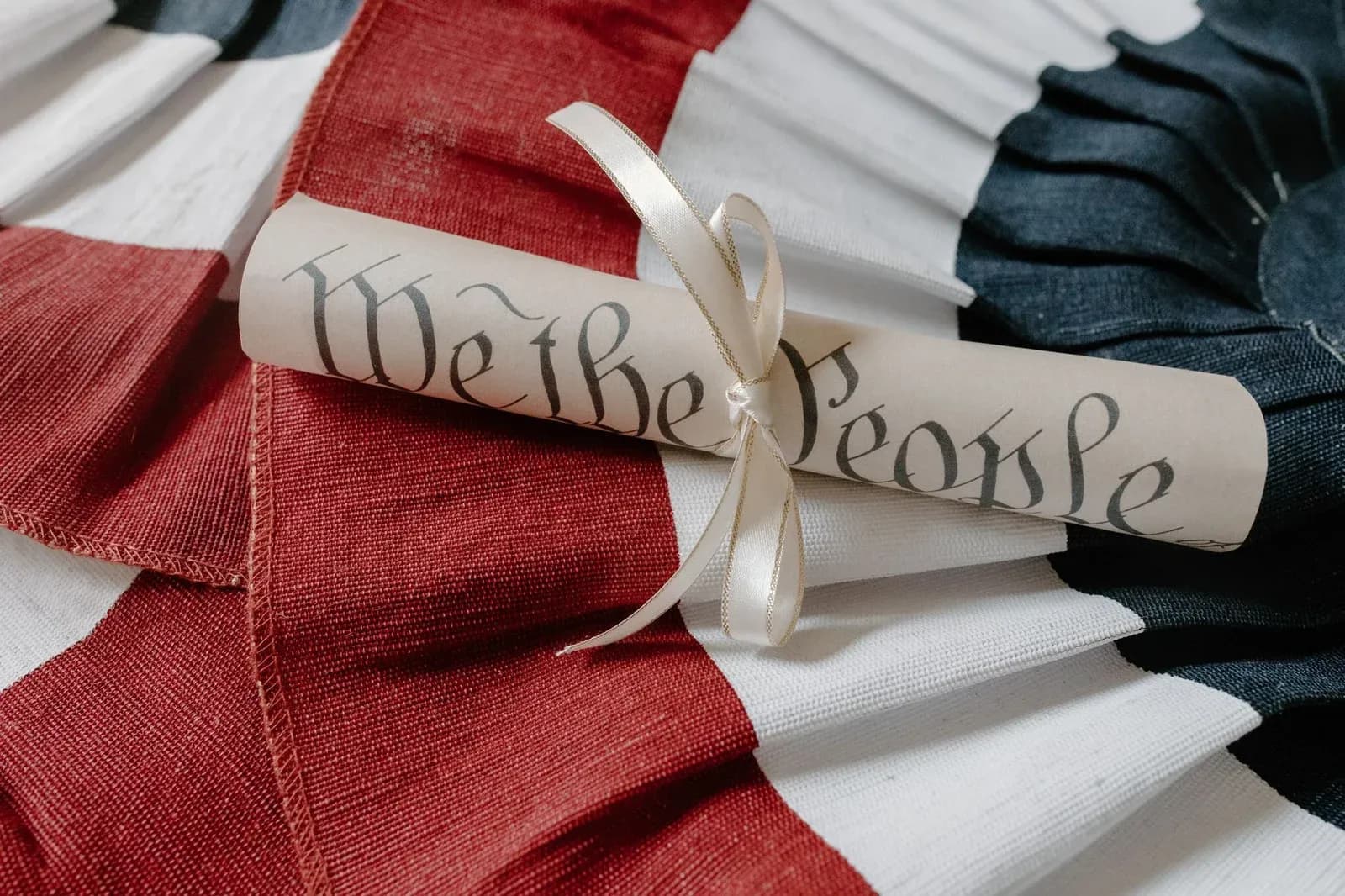
Graff shows that each change began with people shut out of the country's ideals, that many failed before they succeeded and that progress never ran in a straight line. America's history, he writes, is 'one of revolutions, plural'. Avid Reader Press publishes it on 10th November. Pair it with Jill Lepore's We the People, this year's Pulitzer winner for History, and you have two very different portraits of a country trying to change its own rules.
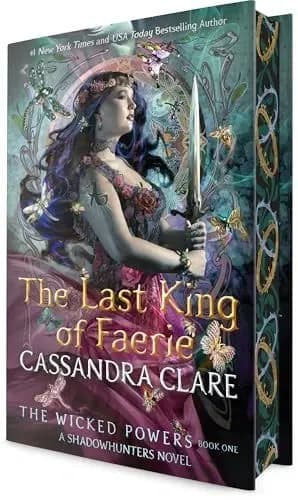
The first book in The Wicked Powers, the final Shadowhunter trilogy. Dru Blackthorn is taken to Faerie by Prince Ash Morgenstern, while Kit Herondale and Ty Blackthorn set aside old bitterness for a dangerous quest.
We may earn a commission from purchases made through this link.
The saga that began with The Mortal Instruments is heading for its end. The Last King of Faerie opens The Wicked Powers, the final Shadowhunter trilogy. Dru Blackthorn, in her fourth year at Shadowhunter Academy, meets a stranger at a nightclub and the night ends with her kidnapping. Prince Ash Morgenstern carries her off to Faerie, a beautiful and deadly realm, and Dru finds herself drawn to him and to the darkness around him.
Meanwhile, a sudden disappearance shakes the Shadowhunter world, and Kit Herondale and Ty Blackthorn must set aside their bitterness for a dangerous quest. The first edition comes with sprayed edges and illustrated endpapers, so collectors will want it on the shelf as much as in their hands. It publishes on 3rd November.
Richland, Ohio, a small farming village under social and economic strain, is about to erupt in very strange ways. Daniel Garvey comes home to settle some affairs and is caught up in events that turn the eyes of the world on the town.
We may earn a commission from purchases made through this link.
Richland, Ohio, is a small farming village of old families and old traditions, and the social and economic pressures on it are about to break out in very strange ways. Daniel Garvey, who left years ago, comes home to settle some affairs and is caught up in events that turn the eyes of the world on the town and may doom it.
Scalzi, the author of Old Man's War, has called the book 'Cozy Cronenberg', which tells you to expect small-town comfort with a large dose of the strange. Tor publishes it on 3rd November. Read it if you like your science fiction weird and your monsters close to home.
How to choose your first November read
For a cosy evening:The Friday Bookshop.
For a literary adventure:On the Calculation of Volume.
For a life story: Judi Dench or LeVar Burton.
For a family saga:Whale Harbor or Peregrine Hill.
For history:America in 25 Revolutions.
For escape:The Last King of Faerie or Monsters of Ohio.
Winner of the 2026 Pulitzer Prize for History. Published for the 250th anniversary of American independence, Jill Lepore's history of the US Constitution explains why it is so hard to amend: only 27 amendments have been ratified, and none of real weight since 1971. Drawing on the Amendments Project, a database she built, Lepore tells the story of the mostly ordinary Americans who tried to change the Constitution, nearly all of whom failed.
Eleven Joyce brothers from a remote corner of Connemara scatter across the world after their mother dies in 1963. Macdara, sixteen, takes on the weight of the family, and when his younger brother Rian runs away at thirteen and disappears, Macdara carries a broken promise through the decades that follow.
We may earn a commission from purchases made through this link.
Good Morning America has chosen Whale Harbor by Mary Beth Keane as its book club pick for November 2026. Scribner published it in the US on 3rd November, and Orion publishes the UK hardback, titled Whale Harbour, on 5th November. It runs to 352 pages and suits a book club well: one family, several decades and a missing brother at its centre, with plenty for a group to disagree about.
What Whale Harbor is about
The novel opens in 1963 in Cuan an Mhíl Mhóir, a small village on the Atlantic coast of Connemara in the west of Ireland. Mary and Cathal Joyce have just had their eleventh son, and a dead whale washes up on the beach. Soon afterwards the boys' mother dies.
Cathal, the local postman, is often absent and makes hasty decisions about his grieving sons. He takes a new wife, Nuala. The eldest, Sean, is already working in England, and 14-year-old Barry is sent to join him. Two more are sent to a seminary school, and the baby, Vincent, goes to live with a cousin. Macdara, the second eldest, is 16 and tries to hold the family together. When he is offered work on a cattle ranch in Montana, he breaks a promise to his rebellious younger brother Rian that he will not leave him behind, telling himself he will send for Rian later. Rian runs away at 13 and disappears.
That broken promise follows Mac through his life in America, and the novel moves across decades between Ireland, England, Montana and New York. It falls to a new generation of Joyces to confront the mystery of Rian's absence. Keane based the story loosely on her father's family, and in an author's note she makes clear that Cathal is not her grandfather and Macdara is not her father.
Whale Harbor gives a group several ways in. Readers with Irish family history will recognise the pattern of emigration it describes, with brothers sent to building sites in England and ranches in America. Readers who have read Keane's Ask Again, Yes will find the same interest in how one family event shapes decades of lives. And the eleven brothers give every member of a group someone to argue for.
Kirkus Reviews gave it a starred review, and Roddy Doyle has said he could not stop reading it. The Boston Globe called it a beautiful, sweeping novel.
Ten questions for your book club
These questions avoid the ending, so a group can use them whether or not everyone has finished.
The whale on the beach
The novel opens with a birth and a dead whale washing ashore on the same day. What did the whale come to mean to you as the story went on? Does the meaning change for different brothers?
Cathal's choices
Cathal splits up his sons within months of their mother's death. Did you see his decisions as selfish, practical or both? Did your view of him change by the end?
The promise Mac breaks
Mac tells Rian he will not leave him alone, and then leaves for Montana. Was he wrong to go? What would you have done at 16 with that offer?
Brothers who stay and brothers who go
Some brothers emigrate and some stay in Connemara. How does the novel compare the lives of those who left with those who remained?
Nuala
How did you feel about the boys' stepmother? Why do you think the younger boys cling to her while Rian rebels?
A family of brothers
The Joyce children are all boys. How does that shape the way the Joyces deal with grief and with each other? Where do the women in the novel hold power?
Ireland, England and America
Which setting felt most vivid to you: Connemara, England, Montana or New York? Did the novel change how you think about the Irish who emigrated in the 1960s?
The family story behind the novel
Keane drew on her father's family but says the characters are not her relatives. Does knowing a novel is rooted in real family history change how you read it?
The next generation
The search for Rian falls to a younger generation. Why do you think Keane gave them that task rather than Mac?
What holds a family together
After decades apart, what still connects the Joyce brothers? Is the novel hopeful about families that have been scattered?
If your group likes Whale Harbor
Keane's earlier novels make a natural next choice. Ask Again, Yes (2019), about two neighbouring families in New York, spent eight weeks on the New York Times bestseller list. The Walking People (2009) follows two sisters who leave a small Irish village for New York, and Fever (2013) tells the story of the woman known as Typhoid Mary.
Mary Beth Keane is an American novelist, born in the Bronx to parents from the west of Ireland. She is best known for Ask Again, Yes, a New York Times bestseller translated into 22 languages. She has received a Guggenheim fellowship for fiction and was named one of the National Book Foundation's '5 under 35' in 2011.
What books has Mary Beth Keane written?
Mary Beth Keane has written five novels: The Walking People (2009), Fever (2013), Ask Again, Yes (2019), The Half Moon (2023) and Whale Harbor (2026), which is published in the UK as Whale Harbour.
Waterstones and Barnes & Noble Booksellers Picked Eight of the Same Books for Book of the Year 2026
By Dr Marina Nani
Waterstones booksellers have put 20 books on the shortlist for the Waterstones Book of the Year 2026, and the winner will be named on Thursday 26th November. Six days earlier, Barnes & Noble announced its own 16 finalists, chosen by its booksellers in the United States. Eight books appear on both lists, so half of the American shortlist is also on the British one.
The overlap has a likely explanation in ownership. The investment firm Elliott owns both chains, and James Daunt, who rescued Waterstones from near bankruptcy, has run Barnes & Noble since 2019. Both chains let local booksellers choose and recommend stock, and when the Barnes & Noble finalists were announced Daunt called the success of real bookshops 'the triumph of personal recommendation'. The two chains still vote separately: every Barnes & Noble bookseller votes on its finalists, while Waterstones booksellers nominate the shortlist and an expert panel picks the winner.
Barnes & Noble names its Book of the Year on 12th November, two weeks before Waterstones, so the first result will show whether the American booksellers' pick is among the eight.
Three Booker novels made the Waterstones list
The Waterstones shortlist also overlaps with the Booker Prize, which is decided on 9th November. John of John by Douglas Stuart, The Things We Never Say by Elizabeth Strout and May We Feed the King by Rebecca Perry are on both. Our guide to the Booker announcement has the time of the livestream and the odds, and our reading guide covers all six novels on that shortlist. Taiwan Travelogue by Yáng Shuāng-zǐ, translated by Lin King, which won the International Booker Prize in May, is on the Waterstones list too.
Last year's Waterstones winner was The Artist by Lucy Steeds. The prize began in 2012, and earlier winners include books by Maggie O'Farrell, Paul McCartney, Asako Yuzuki and Katherine Rundell.
Sources: ITV News and PA (29th October), Stylist (29th October), Shelf Awareness (23rd October), The Bookseller (2019), Fortune (10th August), Modern Retail (8th December 2025), The Scotsman (24th September), The Booker Prizes.
Cello's Gate, the Self-Published Sky-Pirate Heist Readers Made a Hit, Arrives in Hardback From Simon & Schuster and Hachette
By Dr Marina Nani
Cello's Gate reached readers the long way round. Maurice Africh first published his sky-pirate treasure hunt himself in 2025, and readers did the rest: more than 1,000 of them have rated it on Goodreads, with an average of 4.28 out of 5. On 3rd November, the book arrived in hardback from Simon & Schuster in the United States and Hachette in the UK, as the first book of The Sky Pirates of Imperia.
Captain Grey and his crew of sky pirates are hired by Dalia, the immortal daughter of the ArchGovernor, to find the Stones of Indigo, seven legendary stones said to hold godlike power, for one million credits per crew member, per stone. First self-published in 2025.
We may earn a commission from purchases made through this link.
Cello's Gate and the Stones of Indigo
Captain Grey and his crew of sky pirates make their living on heists nobody else can pull off. Their new client is Dalia, the immortal daughter of the ArchGovernor, and she wants the Stones of Indigo: seven legendary stones said to hold the power of gods. The pay is one million credits per crew member, per stone, which is enough to let every one of them retire.
The catch is that almost everyone in Imperia thinks the stones are a bedtime story, and Grey does not trust immortals. The hunt begins with an ancient map and an uncharted island where the crew's technology stops working, guarded by something nobody can name. From there the book moves through jungles, catacombs and a series of twists that early readers refused to spoil.
Captain Grey and His Crew
The crew is the reason readers kept passing this book on. Grey is a smuggler with a soft heart and a quick mouth, the kind of captain fans of Firefly will recognise at once. Around him are Dot, a Crest Knight; Mars, a former gladiator turned guardian; and Minn and Farlow, whom you first meet as children in a prologue that makes you care about them long before the heist begins. Each of them carries a past, and the mission drags most of those pasts into the open.
Reviewers who loved it keep coming back to the same mix: fast action, a lot of banter and a found family that holds the book together. Grimdark Magazine called it playful and emotional at once and recommended it to fans of The Lies of Locke Lamora and The Locked Tomb.
From Self-Published Debut to Hardback
The publishers' own pitch for the new edition compares Cello's Gate to Dungeon Crawler Carl, and the comparison goes further than the jokes. Matt Dinniman first posted Dungeon Crawler Carl online and self-published the first book in 2020. Readers built its audience before Penguin Random House's Ace imprint took over the print editions in 2024. By July 2026, the first eight books had sold more than 14 million copies, and Peacock has ordered a television series.
Cello's Gate is following the same road at an earlier stage. Its first readers found it through book bloggers, reviewers and word of mouth, and the big publishers followed. For you as a reader, that history is useful: the first people to champion this book were readers and reviewers, long before any publisher's marketing budget. Africh has also built a real treasure hunt around the launch, with riddles, clues and a treasure box for readers to chase.
What to Know Before You Read It
Cello's Gate is not for everyone, and its reviews say so. It contains gore, violence, murder and sexual content. The story is told in the present tense by a narrator with a voice of their own, which some readers found intimate and others found confusing. Grimdark Magazine felt the main villain was thin next to the crew, and a few reviewers found the prose plainer than the comparisons promise.
If you came to Dungeon Crawler Carl for the wit, Red Rising for the action or Gideon the Ninth for the scale, Cello's Gate is worth your weekend. Book 2 is still untitled, so expect to wait.
Cello's Gate by Maurice Africh (The Sky Pirates of Imperia, Book 1; Hachette in the UK, Simon & Schuster in the US; hardback published 3rd November 2026)
Cello's Gate is a science fantasy novel by Maurice Africh and the first book of The Sky Pirates of Imperia. It follows Captain Grey and his crew of sky pirates, hired by an immortal named Dalia to find the Stones of Indigo, seven legendary stones said to hold godlike power, in return for one million credits per crew member for each stone.
Is Cello's Gate good?
Cello's Gate has an average rating of 4.28 out of 5 from more than 1,000 readers on Goodreads, and reviewers praise its fast action, humour and found-family crew. Some readers find its present-tense narration confusing and its villain underdeveloped, and it contains gore, violence and sexual content.
Madeline McKnight Signs Off Gives a Dying Wall Street Analyst One Last Deal: A Museum for the Witch of Wall Street
By Dr Marina Nani
Madeline McKnight Signs Off, the debut novel by Evan Brooke, was published on 3rd November by Atria Books. Its heroine is a former Wall Street analyst whose cancer has come back, and who has months left to live. She spends them building a museum for Hetty Green, the Gilded Age financier newspapers called the Witch of Wall Street, and she hires the daughter of the best friend she lost to help her finish it before she dies.
Madeline McKnight, a former Wall Street analyst with terminal cancer, writes her final annual report and hires Bri Davis, the nursing-student daughter of her former best friend, to care for her while she builds a museum to the Gilded Age financier Hetty Green. A debut novel about intergenerational friendship, women's ambition and coming of age at any age.
We may earn a commission from purchases made through this link.
Hetty Green, the Witch of Wall Street
The real woman behind the museum is worth knowing before you start. Hetty Green was born in New Bedford, Massachusetts, in 1834 and grew up in a Quaker family that made its money in whaling and the China trade. She learned finance from her grandfather and father, then built a fortune of her own by buying Civil War bonds, railroad stocks and mortgages that other investors had written off, and holding them for years.
When she died in New York in 1916, her estate was estimated at between $100 million and $200 million. She was one of the richest women in the world, and she made that money in an era when women could not vote. During the Panic of 1907 she lent to New York City itself, including a cheque for $1.1 million. Journalists repaid her with a nickname. They mocked her plain black dress and her thrift, filled the papers with stories of her meanness, and called her the Witch of Wall Street. For a time Guinness listed her as the world's greatest miser.
Madeline carries an unflattering Wall Street nickname of her own, which is the joke and the wound at the centre of the book. When a woman who was hated for her ambition sets out to honour another woman who was hated for hers, you understand within a few pages that the museum is not really about Hetty.
Madeline's Bargain With Bri Davis
Bri Davis is a nursing student in debt and fresh from a breakup. Her mother, Cara, was once Madeline's closest friend, until the friendship ended badly, and Cara later spent the money meant for Bri's education on drink and drugs. Madeline offers Bri a generous salary to leave school and become her nurse, with a $2 million bonus if Madeline lives long enough to see the museum open.
Bri assumes it is a scam. She agrees to try it for a week or two, and travels to Madeline's house in the Poconos expecting a frail patient. She finds a formidable woman with a partner called Lee, a Newfoundland dog called Hopie and a list of things she still intends to do. Chapters move between the two women, and their bond grows slowly, over the dog and over fly-fishing lessons on the river, where the harshest woman in the book turns patient and kind.
Madeline's Final Annual Report
The best idea in the novel is its form. Madeline's doctor suggests she keep a journal, so she writes an annual report instead. She ranks her most hated rivals in a pie chart, tracks her net worth and her reputation in a line graph and uses a formula to predict when the cancer will kill her. Sections called Management Lessons send her back to her worst moments, among them a disastrous live television interview and a trip to San Francisco to check on a former best friend whose dot-com company had collapsed.
The reports make you laugh, and under the jokes sits a woman who measured her whole life in numbers and is running out of time to count. The other half of the book belongs to Bri, who grows up in her own way over the same months. That is the coming of age the cover promises: one woman in her twenties and one at the end of her life, both learning how to start again.
What to Know Before You Read It
Madeline McKnight Signs Off is a novel about cancer, grief, a broken friendship and addiction in a family, told with a lot of dark humour. It is also full of rivers and fishing flies. Early reviewers who loved it praised the business-report chapters and the friendship between Madeline and Bri. One reviewer who liked it less found the long passages on fly fishing and Hetty Green's history hard going, so if those subjects leave you cold, expect to skim.
If you loved The One Hundred Years of Lenni and Margot or The Collected Regrets of Clover, this sits on the same shelf, with a sharper tongue. Marianne Cronin, the author of Lenni and Margot, calls Madeline 'an unforgettable character', and after a few chapters of her annual reports you will see why.
Hetty Green, the American financier known as the Witch of Wall Street, died on 3rd July 1916 at her son's home in New York City, aged 81. She left an estate estimated at between $100 million and $200 million and was buried beside her husband, Edward Henry Green, in Bellows Falls, Vermont.
Koschei the Deathless in A Court of Splintered Harmony Comes From the Slavic Folk Tale That Hides His Death Inside an Egg
By Dr Marina Nani
A Court of Splintered Harmony sold 1.7 million copies on its release day, 27th October, according to figures from its publisher, Bloomsbury, reported by Variety. That is up 600% on the first-day sales of A Court of Silver Flames in 2021. The villain at the centre of the sixth A Court of Thorns and Roses book is Koschei the Deathless, and if you search his name you mostly land on fan wikis. Koschei is far older than Prythian. He is the sorcerer of East Slavic folk tales, a villain storytellers passed from village to village for centuries before anyone wrote him down, and you can read his original story tonight.
Romance, danger, and intrigue await you in the breathtaking sixth book in the #1 bestselling Court of Thorns and Roses (ACOTAR) series. What was broken will be remade. Deep in the heart of the continent, Koschei the Deathless is stirring. Though he's been bound to a mountain lake for millennia, the insidious threat of his return now spreads across the Fae territories, attracting powerful allies hell-bent on reclaiming what was once theirs: the human lands. The Night Court will not stand idly by while innocents are attacked. But with Prythian still piecing itself together in the wake of the devastating Hybern War, the task of uniting is proving more difficult by the day. To make matters worse, those who rule and protect the Night Court are reeling from recent betrayals and revealed truths. The rifts dividing them seem insurmountable. But to defeat Koschei's creeping shadow, they must find a way back to each other and resurrect their former alliances. To survive, they must find a way to repair the splintered harmony all around them. The Court of Thorns and Roses series includes: A Court of Thorns and Roses A Court of Mist and Fury A Court of Wings and Ruin A Court of Frost and Starlight A Court of Silver Flames A Court of Splintered Harmony A Court of Forgotten Melody
We may earn a commission from purchases made through this link.
Koschei in A Court of Thorns and Roses
Koschei first enters the series in A Court of Wings and Ruin (2017), when the Bone Carver tells Feyre and Cassian about his older brother, an ancient being bound beside a lake on the continent. He is the sorcerer who cursed the human queen Vassa to live as a firebird by day and a woman by night. A Court of Silver Flames brings him closer, and A Court of Splintered Harmony opens with him stirring in the heart of the continent while the Night Court tries to hold itself together.
A Court of Splintered Harmony is Movement I of what the series now calls the Valkyrie Cycle, and Bloomsbury lists it at 352 pages. A Court of Forgotten Melody follows on 12th January 2027 with Movements II and III in a single volume of 928 pages. A fourth movement is still to come, which gives you two months to read the tale Koschei comes from.
The Folk Tale of Marya Morevna
The best-known Koschei story is 'Marya Morevna', also called 'The Death of Koschei the Deathless'. The Russian folklorist Alexander Afanasyev included it in his great collection of folk tales, published in eight volumes between 1855 and 1867.
Prince Ivan marries Marya Morevna, a warrior princess. She rides off to war and tells him never to open one door in her castle. Ivan opens it and finds Koschei chained to the wall, thin as a skeleton, begging for water. Ivan brings him a bucket, then another. After twelve buckets, Koschei breaks his chains and carries Marya away.
Ivan chases them three times, and each time the sorcerer's horse catches the lovers with ease. Koschei finally cuts Ivan to pieces, seals him in a barrel and throws it into the sea. The husbands of Ivan's three sisters, wizards who fly as an eagle, a falcon and a raven, bring him back to life. They tell him that only a horse faster than Koschei's can save Marya, and the one place to find such a horse is the stable of the witch Baba Yaga. Ivan survives her trials, wins the horse, kills Koschei and burns his body.
The Scottish folklorist Andrew Lang put the tale into English in The Red Fairy Book in 1890, under the title 'The Death of Koschei the Deathless'. It is out of copyright, so you can read it free on Project Gutenberg in an evening.
Koschei's Death in a Needle, an Egg and a Duck
Other tales explain his nickname. Koschei cannot die while his death stays outside his body, so he hides it. In one version his death is a needle inside an egg, the egg is inside a duck, the duck is inside a hare, the hare is inside a chest, and the chest lies buried on Buyan, an island at the edge of the world. In 'Tsarevich Petr and the Wizard', the hero tracks down the egg and squeezes it, and every touch on the shell lands on the sorcerer's body until he dies.
Folklorists file this plot as tale type 302, the giant who had no heart in his body, and Europe is full of it. The Serbian villain Baš Čelik, or Head of Steel, hides his strength the same way. So do the Hungarian Lead-Headed Monk and the Slovak Iron Monk, and a Lithuanian tale calls its villain Emperor Without-Soul. The earliest printed version of the tale type appears in a Swedish manuscript from 1702. When you read Koschei, you are reading one of the stories that the whole continent shares.
One reading of his name links Koschei to the Slavic word for bone, which suits a prisoner wasted to a skeleton in a dungeon. Alexander Pushkin turned him into a miser in the prologue to Ruslan and Ludmila, where King Kashchei wastes away over his gold. In 1910, Igor Stravinsky put Kashchei on stage as the villain of his ballet The Firebird, so the firebird and the sorcerer were sharing a story long before Vassa.
Books to Read Before A Court of Forgotten Melody
The Red Fairy Book by Andrew Lang (1890). The English telling of 'The Death of Koschei the Deathless' sits among tales from Russian, French, Danish, Romanian and Norse traditions. Start here if you want the story exactly as Victorian readers first met it.
The second of Andrew Lang's coloured Fairy Books, first published at Christmas 1890. It gathers tales from Russian, French, Danish, Romanian and Norse traditions, including 'The Death of Koschei the Deathless'.
Russian Fairy Tales, collected by Aleksandr Afanas'ev, translated by Norbert Guterman (Pantheon). More than 175 tales from the Afanasyev collection, with black-and-white drawings by Alexander Alexeieff. Koschei, Baba Yaga and the Firebird all live in its 672 pages, and it rewards dipping in on winter nights.
More than 175 tales from the collection of the Russian folklorist Aleksandr Afanasyev, translated by Norbert Guterman and illustrated by Alexander Alexeieff, with Koschei the Deathless, Baba Yaga and the Firebird among them.
Deathless by Catherynne M. Valente (2011). Marya Morevna grows up in a version of St Petersburg in the first half of the 20th century, and Koschei arrives at her door to claim her as his bride. If you love the romance in ACOTAR, this is the Koschei novel to read next.
A retelling of the folk tale of Marya Morevna and Koschei the Deathless, set in a version of St Petersburg in the first half of the 20th century. First published by Tor in 2011.
The Girl in the Tower by Katherine Arden (2017). Kaschei is the main villain of the second book in the Winternight trilogy, set in medieval Moscow and the snowbound forests around it. Read The Bear and the Nightingale first.
A Court of Silver Flames (2021). The fifth ACOTAR book holds most of what you learn about Koschei before Book 6, and A Court of Splintered Harmony picks up six months after it ends. A reread before 12th January will pay off.
Koschei the Deathless is an immortal sorcerer from East Slavic folk tales. In the best-known version, 'Marya Morevna', a prince frees Koschei from a dungeon by giving him water, and Koschei carries off the prince's wife, the warrior princess Marya Morevna. The prince dies, returns to life with the help of his sisters' husbands, wins a magic horse from the witch Baba Yaga and finally defeats the sorcerer.
Who killed Koschei the Deathless?
In 'Marya Morevna', Prince Ivan kills Koschei with the help of a horse he earned from Baba Yaga, then burns the body. In other tales a hero finds the egg that holds Koschei's death, hidden inside a series of animals on the island of Buyan, and breaks or squeezes it.
What does Koschei mean in Russian?
The meaning of the name is uncertain. One explanation links it to the Slavic word for bone, describing a man as thin as a skeleton. Another links it to an old word for a captive or servant, borrowed from Turkic languages.
Is Koschei mentioned in ACOTAR?
Yes. Koschei is first mentioned in A Court of Wings and Ruin as the older brother of the Bone Carver, bound beside a lake on the continent. He returns in A Court of Silver Flames and becomes the central villain of A Court of Splintered Harmony and A Court of Forgotten Melody.
Dolly Parton's Picture Books for Children, and How UK Families Can Still Get Her Free Books Every Month
By Dr Marina Nani
Searches for Dolly Parton's books have risen sharply in the UK since she died in Nashville on 25th August 2026, aged 80. Most people searching want one of two things: the picture books she wrote herself, or the free books her charity posts to young children. This guide covers both.
The picture books Dolly Parton wrote
Parton wrote five picture books for children. Two grew out of her songs and her childhood in the Smoky Mountains of Tennessee, and three follow a singing French bulldog.
Dolly Parton sets the lyrics of her song Coat of Many Colors to pictures by Brooke Boynton-Hughes. A girl whose mother sews her a winter coat from rags is mocked by her classmates for being poor, and comes to see that the coat was made with love in every stitch. For ages three to seven.
We may earn a commission from purchases made through this link.
This is the one to start with. It sets the lyrics of her 1971 song to pictures and tells the story of a girl whose mother sews her a winter coat from rags. Her classmates mock her for being poor, and she comes to understand that the coat was made with love in every stitch. The book first appeared in 1994. The edition most families own today, illustrated by Brooke Boynton-Hughes, was published on 18th October 2016 for children aged three to seven.
Penguin issued a 10th anniversary edition of that version this year, with a butter-yellow fabric cover and a new foreword from Parton. It gives parents an easy way into a conversation with a child about money, kindness and being teased.
We may earn a commission from purchases made through this link.
Published in 2009 and illustrated by Heather Sheffield, I Am a Rainbow is her picture book about feelings, told through colours. It is the shortest and simplest of her books and suits the youngest readers.
Parton based Billy, a French bulldog with dreams of a music career, on her god-dog. She wrote the three books with Erica S. Perl, and MacKenzie Haley illustrated them. Each runs to about 40 pages and is aimed at children from four to seven.
The first picture book about Billy the Kid, a French bulldog with dreams of a music career, inspired by Dolly Parton's god-dog. Written with Erica S. Perl and illustrated by MacKenzie Haley. A New York Times bestseller.
We may earn a commission from purchases made through this link.
Billy the Kid Makes It Big came out in April 2023 and became a New York Times bestseller. Billy faces down bullies on his way to the stage, and Kirkus Reviews called it a 'wholesome howl'.
Billy the Kid, the singing French bulldog, has to choose between performing at the Barkafeller Center and spending Christmas with his family. Written by Dolly Parton with Erica S. Perl and illustrated by MacKenzie Haley.
We may earn a commission from purchases made through this link.
Billy the Kid Comes Home for Christmas followed on 1st October 2024. Billy has to choose between performing at the Barkafeller Center and spending Christmas with his family, which makes it the natural pick for a December bedtime.
The third Billy the Kid picture book, in which the singing French bulldog has to overcome his fear of dancing in front of an audience. Dolly Parton wrote the song 'Bella' to accompany it and narrated the audiobook.
We may earn a commission from purchases made through this link.
Billy the Kid Dances His Heart Out, published on 2nd December 2025, was the last picture book released in her lifetime. Billy has to overcome his fear of dancing in front of an audience. Parton wrote a song, 'Bella', to go with it and narrated the audiobook herself, so children can still hear her read it.
For a toddler, I Am a Rainbow is short enough to hold their attention. For a child of three to seven, Coat of Many Colors carries the most meaning and stays with children longest. For a child who loves dogs or music, start the Billy the Kid series at the beginning, although each book stands alone. As a Christmas present, the Christmas Billy book and the anniversary Coat of Many Colors are the two that feel most like gifts.
How UK families get her free books
The books most British children connect with Dolly Parton are not the ones she wrote. They come from Dolly Parton's Imagination Library, the programme she founded in Tennessee in 1995, which posts a free book every month to a child from birth to their fifth birthday. By the time of her death it had given away more than 332 million books in the United States, Canada, the UK, Australia and Ireland.
Parton travelled to London in December 2007 to launch the programme here, and the first British book was posted in 2008. Each book arrives wrapped and addressed to the child by name, and families pay nothing.
The programme has kept growing since her death. In September it doubled its reach in London, making 157,000 more children eligible for a free book each month.
Who can sign up
Eligibility depends on where you live. The Dollywood Foundation runs the central programme and chooses the books, while local partners such as councils, libraries, charities and businesses enrol the children in their area and pay for the books. That costs a partner about £26 per child per year for 12 books. If a local partner covers your postcode, your child can join. If not, the programme is not yet available to you.
How to register
Go to the Imagination Library's check availability page, choose the United Kingdom and enter your postcode. If a programme covers your area, you can register your child online. Many councils, including Camden and Wandsworth in London, also explain the scheme on their own websites.
What arrives in the post
A panel of early years experts chooses the books, and Penguin Random House UK publishes them. The first book a British child receives is a personalised copy of Beatrix Potter's The Tale of Peter Rabbit, and the last, in the month they turn five, is a personalised book called Just Imagine. In between come picture books, rhymes, first non-fiction and new titles, matched to the child's age.
Beatrix Potter's classic picture book about a mischievous rabbit who slips into Mr McGregor's garden. A personalised copy is the first book British children receive from Dolly Parton's Imagination Library.
We may earn a commission from purchases made through this link.
If your area has no programme
Anyone can start one. Businesses, councils, charities, churches and individuals can become local partners by contacting the Dollywood Foundation's regional directors through the Imagination Library UK website, which also has a cost estimator for working out what a postcode, town or county would need.
FAQ
Does Dolly Parton still send books to children?
Yes. Dolly Parton's Imagination Library still posts a free book every month to registered children from birth to age five in the UK, Ireland, the United States, Canada and Australia, and it has kept expanding since her death in August 2026. Whether a child can join depends on whether a local partner covers their area, which parents can check on the Imagination Library website.
Which children's books did Dolly Parton write?
Dolly Parton wrote five picture books for children: Coat of Many Colors, based on her song; I Am a Rainbow (2009); and three books about a French bulldog called Billy the Kid, written with Erica S. Perl: Billy the Kid Makes It Big (2023), Billy the Kid Comes Home for Christmas (2024) and Billy the Kid Dances His Heart Out (2025).
How to get Dolly Parton books for children?
Her own picture books are sold in bookshops and online. The free books from her Imagination Library are posted monthly to children under five, at no cost to families, wherever a local partner runs the programme. Parents register on the Imagination Library website by entering their country and postcode.
The Booker Prize 2026 Winner Is Named on 9th November: How to Watch and Which Book the Bookmakers Favour
By Dr Marina Nani
The winner of the Booker Prize 2026 will be announced on Monday 9th November at a private ceremony at Old Billingsgate in London. The winning book earns its author £50,000 and a trophy called Iris, and each of the other five shortlisted authors receives £2,500. Six novels remain from the 163 books the judges read this year.
How to follow the announcement
The Booker Prize Foundation livestreams the winner announcement on its YouTube, Instagram and TikTok channels from 9.45pm GMT. That is 10.45pm in Madrid and Paris and 4.45pm in New York. The Foundation's YouTube channel also carries a watch party playlist for readers who want to gather friends before the result.
Readers in London can meet all six shortlisted authors the night before. The Southbank Centre hosts the shortlist readings on Sunday 8th November at 7.30pm, chaired by novelist Sara Collins, with tickets from £29. The new winner's first public appearance follows later that week at Tyneside Cinema in Newcastle, hosted by New Writing North.
The six books in the running
The End of Everything by M. John Harrison
The Disappearers by Marlon James
Black Bag by Luke Kennard
May We Feed the King by Rebecca Perry
The Things We Never Say by Elizabeth Strout
John of John by Douglas Stuart
The judging panel is chaired by classicist Mary Beard, with poet Raymond Antrobus, musician Jarvis Cocker, critic Rebecca Liu and novelist Patricia Lockwood. Rich Books has a reader's guide to each of the six novels, with who each one suits.
The Disappearers leads the betting at 6/4
William Hill priced The Disappearers as its 6/4 favourite on 13th October, which works out at an implied 40 per cent chance. John of John was second at 3/1 and May We Feed the King third at 4/1. Prices compiled by the betting site OLBG in mid-October had John of John slightly longer at 7/2, with May We Feed the King and The End of Everything both at 4/1. Those prices are three weeks old and may have moved since.
William Hill also reported that Booker betting is down this year. Its total stakes were roughly half of last year's, and the number of individual bets was about 80 per cent of the 2025 figure. Its spokesperson Lee Phelps said the traders rely on press coverage and incoming bets rather than literary judgement, and that the judges' choice cannot be worked out by any formula.
What each result would mean for the prize's record books
A win for The Disappearers or John of John would add a fifth name to the short list of authors who have won the Booker twice. James won in 2015 with A Brief History of Seven Killings and Stuart in 2020 with Shuggie Bain. A win for The End of Everything would make Harrison, at 81, the oldest winner in the prize's history, a record held by Margaret Atwood, who won at 79.
May We Feed the King is the only debut on the shortlist and has already won the Waterstones Debut Fiction Prize. It is also one of three Booker novels on this year's Waterstones Book of the Year shortlist, alongside John of John and The Things We Never Say, which is Strout's third Booker nomination.
Sources: The Booker Prizes, William Hill News (13th October), OLBG (mid-October), The Scotsman (24th September), Southbank Centre, NPR (28th July).
How to Read the Six Novels Shortlisted for This Year's Booker Prize
By Dr Marina Nani
On Monday 9th November, at Old Billingsgate in London, one of six novels will win the 2026 Booker Prize and £50,000. The judges, chaired by the classicist Mary Beard and joined by the poet Raymond Antrobus, the musician Jarvis Cocker, the critic Rebecca Liu and the novelist Patricia Lockwood, chose the six from 163 novels written in English and published in the UK or Ireland between 1st October 2025 and 30th September 2026.
The shortlist runs from a post-apocalyptic satire on the Kent coast to a campus comedy about a man who spends his days zipped inside a bag, with stops at a medieval court, a Massachusetts harbour town, a croft in the Outer Hebrides and Kingston in the late 1980s. Two of the books come from former winners, and one is a first novel.
Below, the six are set out from shortest to longest, so you can decide how many to read before the ceremony.
The End of Everything by M. John Harrison is the shortest book on the list and the strangest
Phillip Tennent makes his living on the tideline of the Kent coast, collecting whatever the Channel washes up, in an England that was already worn down before something called the iGhetti arrived. Nobody in the novel can say what the iGhetti is, and the book never explains it. Phillip tries to understand an artefact he has found, and to make money from it, while a woman called Marnie writes poster after poster asking how anyone could misplace a continent.
The judges said the novel can be read as 'a thriller, a mystery, a satire, a dystopia, a road novel, a work of realism'. It runs to just over 200 pages. Harrison is 81, and a win would make him the oldest winner in the history of the prize, ahead of Margaret Atwood, who was 79 when she won in 2019.
In a near-future Kent, years after a crisis that nobody can agree on, the government barely functions, the sea is full of new creatures and Europe has been mislaid. Phillip Tennent makes his living on the Channel tideline, collecting whatever washes in. When he pulls from the water something that keeps changing, he has to carry it inland before it undoes everything he thinks he knows. M. John Harrison's novel is shortlisted for the 2026 Booker Prize.
May We Feed the King by Rebecca Perry is the only debut, set between a museum and a medieval court
An unnamed curator is building six historically accurate scenes for visitors to an old royal palace, among them a royal dining room. As she works, the novel moves back to the king who once lived there, a reluctant man who came to the throne after unexpected deaths, who cares more for the palace roses than for governing, and whose court begins to wonder whether someone else should rule in his place.
The judges praised the way the book unsettles the idea that history has one true version. It has already won the Waterstones Debut Fiction Prize this year, and at 272 pages it can be read in a weekend.
An unnamed curator builds historically accurate scenes for visitors to an old royal palace, while the novel moves back to the reluctant medieval king who once lived there. Winner of the Waterstones Debut Fiction Prize 2026 and shortlisted for the 2026 Booker Prize.
The Things We Never Say by Elizabeth Strout follows a small-town teacher who learns a decades-old secret
Artie Dam is 57. He teaches history at the high school in a coastal Massachusetts town, sails on the bay and has been married to Evie for more than three decades. Their son Rob has grown up and moved on, and Artie's closest friend is Flossie MacDonald. After a party, Artie wonders aloud why people never say anything real. Then he discovers that his own life has been keeping a secret from him, and the comfortable surface of his days gives way.
This is Strout's eleventh novel and a break from her Olive Kitteridge and Lucy Barton books, with a new setting and an entirely new cast. You should know that it deals frankly with despair, including thoughts of suicide.
Artie Dam, a history teacher in a coastal Massachusetts town, discovers that his own life has been keeping a decades-old secret from him. A standalone novel, shortlisted for the 2026 Booker Prize.
Black Bag by Luke Kennard is the comedy on the shortlist, about an actor paid to sit in a bag
A penniless actor, out of work, takes a job with Dr Blend, a university professor who is running a psychological experiment. The job is to sit at the back of a lecture hall, zipped inside a black bag, for an entire course of lectures. Inside the bag he drifts into long daydreams about another life working in a factory in Sweden. Outside it, the novel takes aim at cryptocurrency schemes, energy drinks and online anonymity, and finds room for a love affair.
The judges described an absurd experiment carrying a moving story about human frailty, passion, confusion and identity. The idea has a real precedent: in 1967 a student at Oregon State University attended a whole course inside a black bag.
A penniless, out-of-work actor is hired by a university professor to sit at the back of a lecture hall zipped inside a black bag, as part of a psychological experiment. A campus comedy shortlisted for the 2026 Booker Prize.
John of John by Douglas Stuart takes a father and son back to the loom on the Isle of Harris
In the 1990s, Cal Macleod comes home to the Isle of Harris from art college with a textile degree, no money and a pile of debt. His father, John, is a crofter and Harris tweed weaver who once read him scripture down a public telephone line. The island is strictly Presbyterian, and Cal is living a secret life that his father must not see. His grandmother, Ella, is the one person he can talk to.
This is Stuart's third novel and his first set outside Glasgow. It was shortlisted for the Orwell Prize for Political Fiction 2026 and chosen for Oprah's Book Club. At 400 pages it moves at the pace of island life, and its rewards come late.
In the 1990s, Cal Macleod comes home from art college to the Isle of Harris and to his father, a crofter and Harris tweed weaver, carrying a secret life of his own. Shortlisted for the 2026 Booker Prize.
The Disappearers by Marlon James is the longest book on the list and the angriest
In Jamaica in 1988, eight gay men begin rehearsing a play together. A murderous homophobic attack in Kingston breaks the group apart. Some of the survivors try to ignore what the attack has dragged into the open, while others set out after the men responsible, and the novel follows both the missing and the perpetrators until the story reaches its end.
At more than 500 pages it is the biggest commitment on the shortlist. It is James's first novel set in Jamaica since A Brief History of Seven Killings, which won the Booker in 2015, and the judges read it as a long overdue confrontation with Jamaican homophobia. The violence is on the page.
In Jamaica in 1988, eight gay men begin rehearsing a play together until a murderous homophobic attack in Kingston breaks the group apart. Shortlisted for the 2026 Booker Prize.
If there is time for only one, start with the debut
May We Feed the King is the best single choice before Monday. It is short, it has already won one prize this year, and it is the book on the list most likely to send you back to the first page once you finish. If you have more time, pair it with Black Bag, the funniest book here, and then decide whether the judges will reward invention or the long, serious novels from Stuart and James.
How to Read the Five Translated Books Shortlisted for This Year's National Book Award
By Dr Marina Nani
On Wednesday 18th November, the National Book Foundation will name the winner of the 2026 National Book Award for Translated Literature at its 77th awards ceremony in New York. Publishers submitted 159 translated books this year, and five judges chaired by Christopher Merrill have narrowed them to five finalists.
The five come from five languages: Norwegian, Spanish, Indonesian, French and Arabic. Four are novels and one is a book of testimony. In this category the prize is shared equally between author and translator, so the winning pair splits $10,000 and each finalist pair splits $1,000.
If you have already worked through this year's Booker shortlist, these five books take you into languages that prize never considers.
The School of Night by Karl Ove Knausgaard follows a photographer whose past catches up with him in New York
Translated from the Norwegian by Martin Aitken.
Kristian Hadeland is young, ambitious and newly arrived in London to study photography. He falls in with an enigmatic Dutch artist and a woman staging Marlowe's Doctor Faustus. Years later his work earns a retrospective in New York, and his success brings his past back with it. The Faust story runs under every chapter: an ambitious young man, a bargain and a price that comes due.
A young Norwegian, Kristian Hadeland, moves to London to study photography and falls in with an enigmatic Dutch artist and a woman staging Marlowe's Doctor Faustus. Years later, a New York retrospective brings success and the return of his past. Translated from the Norwegian by Martin Aitken. Finalist, 2026 National Book Award for Translated Literature.
Centroeuropa by Vicente Luis Mora begins with a widower digging up soldiers in his own field
Translated from the Spanish by Rahul Bery.
In the early 1800s, Redo Hauptshammer arrives in a small European town to claim a piece of land. He plans to bury his wife there and farm it. When he starts to dig, he finds the bodies of Prussian soldiers, and he turns to his eccentric neighbours for help. What comes out of the ground is the long aftermath of war and the secrets kept by families and by states.
In the early 1800s a widower, Redo Hauptshammer, arrives in a small European town to claim land where he plans to bury his wife and farm. Digging the field, he uncovers the bodies of Prussian soldiers and enlists his eccentric neighbours to help. Translated from the Spanish by Rahul Bery. Finalist, 2026 National Book Award for Translated Literature.
Night of a Thousand Hells by Intan Paramaditha follows two sisters after the youngest becomes a suicide bomber
Translated from the Indonesian by Stephen J. Epstein and Tiffany Tsao.
The youngest of three sisters becomes a suicide bomber. The two who survive her go back through their family's turbulent history and a prophecy their grandmother once made. The novel draws on Indonesian folklore and Islamic mysticism and moves between Indonesia, the United States and Australia, taking in migration, money and what sisters owe one another.
When the youngest of three sisters becomes a suicide bomber, the two who survive her go back through their family history and a prophecy made by their grandmother. Drawing on Indonesian folklore and Islamic mysticism, the novel moves between Indonesia, the United States and Australia. Translated from the Indonesian by Stephen J. Epstein and Tiffany Tsao. Finalist, 2026 National Book Award for Translated Literature.
A literature professor in a conservative Islamic community watches a video of a crowd digging up the body of a queer man. The footage stays with him. He goes back over his religious upbringing, finds his way into the queer community of Dakar and soon faces public scrutiny of his own life.
A literature professor in a conservative Islamic community watches a viral video of a crowd exhuming the body of a queer man. Shaken, he re-examines his religious upbringing, finds his way into Dakar's queer community and comes under public scrutiny himself. Translated from the French by Lara Vergnaud. Finalist, 2026 National Book Award for Translated Literature.
Your Presence Is a Danger to Your Life by Samar Yazbek is the only nonfiction book on the list
Translated from the Arabic by Leri Price.
In 2024, Samar Yazbek met hundreds of Palestinians who had travelled to Doha for medical treatment and recorded how their lives had changed since 7th October 2023. The book sets down their testimony of loss and survival in the words they used to tell it.
In 2024 the writer met hundreds of Palestinians receiving medical treatment in Doha and recorded how their lives had changed since 7th October 2023. The book sets down their testimony in their own words. Translated from the Arabic by Leri Price. Finalist, 2026 National Book Award for Translated Literature.
If you read one before 18th November, start with Centroeuropa
Centroeuropa gives you the greatest pleasure of discovery on this list. It opens with one man and one shovel in one field and grows into a story about how a continent buries its wars. If you have room for a second, The School of Night carries the most famous name here and is the easiest to find in any bookshop.
Rich Books will report on the winners after the ceremony on 18th November.
How to Read the Four Novels Competing for the 2026 Prix Goncourt Before Tuesday's Verdict in Paris
By Dr Marina Nani
On Tuesday 3rd November, around lunchtime, Philippe Claudel will stand on the staircase of the Drouant restaurant on Place Gaillon in Paris and read out the name of the 124th winner of the Prix Goncourt. The prize itself is a cheque for €10. The real reward is the red band the winning book wears in every French bookshop until Christmas, and the sales that come with it.
The Académie Goncourt cut its list to four on Tuesday 27th October. The finalists are Philippe Jaenada's L'inconnue du quai de Javel (Flammarion), Yannick Haenel's La solitude des professeurs est infinie (Gallimard), Clémentine Mélois's Choses que je croyais perdues (L'Arbalète/Gallimard) and Sylvain Prudhomme's De l'autre côté du lac (Minuit). All four imprints belong to Madrigall, the Gallimard family holding company and France's fourth-largest publisher. The jury left out two of the autumn's biggest sellers, by Anne Godard and Sonia Devillers.
If you like a true crime story told by someone who cannot stop digging, start with L'inconnue du quai de Javel, which translates as The Unknown Woman of the Quai de Javel. On 6th September 1949, a young woman was found dead on the quai de Javel, in what is now the 15th arrondissement, without her bag or her shoes. She was Louise Cansot, a model much in demand among the painters of Montparnasse. The police closed the case six months later with no one charged. Seventy-five years on, Jaenada reopens the file. He works through the archives, walks the streets she knew and travels to Tréguier, the small Breton town where she grew up. He reread every Maigret novel before he began, and he borrows the inspector's patience. The book runs to 528 pages and costs €23. It sold 17,000 copies in its first three weeks, the fastest start of Jaenada's career, before the Goncourt jury had even published its first list.
In 1949 Louise Cansot, a model for the Montparnasse painters, was found murdered on the quai de Javel in Paris, and the case was closed months later without an answer. Seventy-six years on, Philippe Jaenada reopens the investigation. A finalist for the 2026 Prix Goncourt.
We may earn a commission from purchases made through this link.
If you have ever taught, or owe something to a teacher who stayed late for you, read La solitude des professeurs est infinie, or The Loneliness of Teachers Is Infinite. Jean Deichel, Haenel's fictional double, looks back thirty years to his trainee year teaching French at a struggling secondary school in Mantes-la-Jolie, west of Paris. Haenel taught for 17 years himself, and the novel grew out of a piece he wrote for Charlie Hebdo in 2021. Near its last page, the book names itself a tribute to Samuel Paty and Dominique Bernard, the two teachers killed in attacks in France in 2020 and 2023. It runs to 320 pages and costs €21.50.
Thirty years on, the narrator Jean Deichel looks back on his first year as a French teacher at a difficult school in Mantes-la-Jolie, west of Paris. Worn down by long journeys, money worries and fading hopes, he retreats into a deep solitude. A finalist for the 2026 Prix Goncourt.
We may earn a commission from purchases made through this link.
Choses que je croyais perdues, or Things I Thought Were Lost, is the shortest of the four at 176 pages and €19, and the one you can finish in an evening. A young woman packs up her flat after a break-up. A plate with a gold rim, a camel-coloured outfit and a roll of kitchen paper each bring back a story she thought she had put away for good. Mélois is a member of Oulipo, the Paris writers' group famous for its playful rules, and the novel treats ordinary objects with the same care other books give to people. If you have ever moved house after a relationship ended, you will recognise every box.
After a break-up, a woman packing up her flat finds that every object brings back a memory, from her childhood in Lorraine and her years working in a bar to her family and the man she is leaving. A finalist for the 2026 Prix Goncourt.
We may earn a commission from purchases made through this link.
De l'autre côté du lac, or On the Other Side of the Lake, sits between a thriller and nature writing. A team of researchers works beside a high mountain lake on the edge of a reserve closed to people. Strange signs pile up and a body is found. Paola, a photographer, chooses to stay on alone, and a few months later she disappears too. The narrator sets out to follow her trail. Prudhomme won the Prix Femina in 2019, and Jaenada won it in 2017, which means two of the four finalists are former Femina winners who have both built their new books around a woman who is gone.
Paola, a photographer in her forties, disappears one winter in a protected mountain nature reserve. The narrator, who met her only briefly, retraces her last months to find out what happened to her. A finalist for the 2026 Prix Goncourt.
We may earn a commission from purchases made through this link.
The shortlist closes the most unusual season in the prize's recent history. On 25th September, the Académie removed C'était ça ou mourir (It Was Either That or Die), a bestselling debut by the Haitian-Canadian writer Thélyson Orélien, from its first list of 16. Its statement cited plagiarism in his earlier writing and several analyses suggesting the novel was very largely produced by artificial intelligence, and said the Académie wanted to send a clear message that it does not endorse writing generated with AI. Orélien denies using AI. The jury is also voting with nine members instead of ten. Didier Decoin, the 1977 winner who led the Académie from 2020 to 2024, died on 5th August.
If you read only one before Tuesday, choose by mood. Pick Jaenada for a long winter investigation, Haenel if school shaped you, Mélois for a single evening and Prudhomme if you want snow, silence and a mystery. We will update this page with the winner on Tuesday afternoon.
Where to buy the books
L'inconnue du quai de Javel by Philippe Jaenada (Flammarion): Amazon France
La solitude des professeurs est infinie by Yannick Haenel (Gallimard): Amazon France
Choses que je croyais perdues by Clémentine Mélois (L'Arbalète/Gallimard): Amazon France
De l'autre côté du lac by Sylvain Prudhomme (Minuit): Amazon France
C'était ça ou mourir by Thélyson Orélien (Grasset): Amazon France
Things in Nature Merely Grow Won the 2026 Pulitzer for Memoir With Yiyun Li's Account of Losing Her Two Sons
By Dr Marina Nani
You probably expect a memoir about losing a child to be a book of mourning. Yiyun Li's Things in Nature Merely Grow is something harder and, in the end, more sustaining. Li lost both her sons to suicide: Vincent at sixteen in 2017, and James at nineteen in 2024. She does not ask you to grieve with her so much as to watch how she keeps living with the facts.
Winner of the 2026 Pulitzer Prize for Memoir or Autobiography and the Andrew Carnegie Medal for Excellence in Nonfiction. Yiyun Li writes about losing both her sons, Vincent in 2017 and James in 2024, with an austere focus on facts, language and the persistence of life. Addressed to James, the book describes ways of living thoughtfully alongside loss: gardening, reading Camus and Wittgenstein, and learning the piano.
We may earn a commission from purchases made through this link.
The book won the 2026 Pulitzer Prize for Memoir or Autobiography. Farrar, Straus and Giroux published it in 2025, and before the Pulitzer it had already won the Andrew Carnegie Medal for Excellence in Nonfiction and reached the shortlists for the National Book Award for Nonfiction and the PEN/Jean Stein Book Award.
Two sons, and a book addressed to James
Li addresses the book to James, her younger son. She writes to him directly about the years after his brother's death, about the life the family tried to rebuild and about the plain, unbearable fact of his own death six years later.
What makes the book so unusual is its refusal of the usual shapes of grief. Li does not search for a reason she can hold on to, and she does not offer you a lesson at the end. She treats the loss as something to accept rather than only to mourn, and she stays close to what happened, in clear and exact language.
Facts, language and the decision to carry on
Li fills the pages with the things that keep her going. She gardens. She reads Albert Camus and Ludwig Wittgenstein. She learns the piano. None of these is offered as a cure. Each is a way of living thoughtfully alongside death, of paying attention to the world while knowing what it has taken from her.
After the prize was announced, Li said she wrote the book out of her faith 'in language, in thinking, and in carrying on, despite the difficulties'. That faith runs through every page. The writing is austere and controlled, and its precision becomes a kind of defiance: Li will name things as they are, and she will go on.
A book written in the hardest years of a life
Li is a celebrated novelist and short story writer who teaches at Princeton University, and she has won a MacArthur Fellowship and the PEN/Faulkner Award among many others. She brings a novelist's ear to this book, but none of a novelist's invention. 'The book was written during a difficult time in my life about a tremendous loss,' she said.
This is not an easy book to read, and you may want to take it slowly. It is also not a bleak one. The surprise of Things in Nature Merely Grow is how much life it holds, in its gardens, its music and its books. Li told Princeton that she was 'overwhelmed and shocked' when her editor called with the news, and she described the Pulitzer as a 'bittersweet honor'.
The Pulitzer Prize medal, designed by Daniel Chester French Photo: Wikimedia Commons, CC0 public domain
Women have won three of the four memoir prizes
The Pulitzer for Memoir or Autobiography is the newest of the book prizes. Until 2022, memoirs competed with biographies for a single award, and in 2023 the board gave memoir a prize of its own. Since then, women have won it three times in four years: Cristina Rivera Garza in 2024, Tessa Hulls in 2025 and now Li. Hua Hsu won the first memoir prize in 2023.
This year, women filled every place on the shortlist. The other finalists were Anelise Chen, with Clam Down: A Metamorphosis, an experimental memoir in which she reimagines herself as a clam to write about her father; Hala Alyan, with I'll Tell You When I'm Home, about diaspora, war, infertility and motherhood; and Sarah Chihaya, with Bibliophobia, on how a devotion to books can both sustain and endanger the self. The jury was chaired by Grace Talusan and included Hua Hsu.
Last year's winner also traced what passes between generations
The 2025 prize went to Tessa Hulls for Feeding Ghosts, an illustrated memoir that follows three generations of Chinese women and the trauma handed down through her family. Read the two winners back to back and you find the same subject approached from opposite directions. Hulls looks back at what her grandmother and mother carried into her life. Li looks at what a mother carries after her children are gone.
What stays with you after the last page
You finish Things in Nature Merely Grow with a strange steadiness rather than despair. Li does not tell you that loss can be overcome. She shows you, day by day, that it can be lived alongside, and that language, attention and small daily practices can hold a life together. It is a book that many readers will press into the hands of someone they love.
Read it if you have lived with loss and want truth rather than consolation, you love writing that thinks its way through hard questions, or you already know Li's fiction and want to meet the writer behind it.
If this piece has raised difficult feelings for you, Samaritans are available day or night, free of charge, on 116 123 in the UK and Ireland.
Finalist for the 2026 Pulitzer Prize for Memoir or Autobiography. An experimental memoir in which the author reimagines herself as a clam, using humour and tenderness to explore her relationship with her father and the pressures of being a first-generation daughter of immigrant parents.
Finalist for the 2026 Pulitzer Prize for Memoir or Autobiography. A memoir about diaspora and the lasting effects of war, pairing the author's experiences of infertility and then motherhood with her family's history across generations.
Finalist for the 2026 Pulitzer Prize for Memoir or Autobiography. An account of how a devotion to literature can both sustain and endanger the self, since books hold ideas that can be perilous and revolutionary as well as restorative.
Winner of the 2025 Pulitzer Prize for Memoir or Autobiography. In ink drawings, Tessa Hulls tells the story of her grandmother Sun Yi, a Shanghai journalist who fled the Communist victory of 1949, her mother Rose and herself, three women bound together by love, fear and a history nobody would talk about.
Angel Down Won the 2026 Pulitzer for Fiction With a War Story Told in a Single Sentence
By Dr Marina Nani
You open Angel Down in the middle of a sentence and the middle of a battle, and the sentence does not end for 304 pages. Daniel Kraus follows five American soldiers through the final great offensive of the First World War, and the book never stops for a full stop. It closes on a comma.
Winner of the 2026 Pulitzer Prize for Fiction. Near the end of the First World War, Private Cyril Bagger and four other soldiers are sent into No Man's Land to put a wounded comrade out of his misery. Instead they find a fallen angel tangled in barbed wire, who might help end the war if the men can set aside their own desires. Told in a single sentence that blends allegory, magical realism and science fiction.
We may earn a commission from purchases made through this link.
The novel won the 2026 Pulitzer Prize for Fiction. The Pulitzer board called it 'a breathless novel of World War I' and a stylistic tour de force that blends allegory, magical realism and science fiction into one story told in a single sentence. Atria Books published it in July 2025.
Five misfits sent into No Man's Land
Private Cyril Bagger and four other soldiers receive an order to cross No Man's Land and put a wounded comrade out of his misery. His shrieking has been driving the troops mad. Bagger goes out with young, innocent Arno, Popkin the brute, nervous Goodspeed and Veck, wrecked by shell shock.
What they find in the barbed wire is no soldier. It is a fallen angel, glowing, and to each man she looks like a woman he once knew. The angel might help end the war, but only if the five men put their own desires aside and work together. They carry her across the battlefield under artillery fire, and jealousy, greed and paranoia start to pull them apart. Their rescue mission begins to look like a descent into hell.
One sentence that keeps you in the trench
Kraus first wrote the story with ordinary punctuation. He told the Associated Press that dropping it suited a war that seemed to have no end. 'It's like you have the feeling of being locked into the book forever,' he said.
That is exactly how it reads. Paragraph breaks give you places to breathe, but the sentence runs on through shellfire, quarrels and passages of strange beauty. The opening pages take some adjusting. Once the rhythm takes hold, the form stops feeling like a trick: there is no natural place to put the book down, so you keep going, the way the men keep going. If you prefer to listen, the audiobook is read by Kirby Heyborne.
Kraus chose the First World War for its machinery. 'The weaponry used in that war was so much more advanced than in any previous conflict,' he told the University of Illinois, where he trained as a librarian. The angel works less as a miracle than as a test. Kraus has compared her to the zombies in Night of the Living Dead: something that arrives from outside and shows the characters for who they really are. In its later chapters, the book turns to the question beneath every war story, why people keep choosing war and what could break the cycle.
An unlikely winner from the horror shelf
Kraus grew up in Fairfield, Iowa, came to writing through horror films and crayon drawings of monsters, and has written 28 books across horror, science fiction, graphic novels and children's fiction. His editor at Atria bought Angel Down from a one-page synopsis, without a single sample chapter.
The prize caught him by surprise. 'The Pulitzer was not something that I had given any thought to, ever. It was completely out of the blue,' he said. 'It makes me feel good about the strange career I've had.' A film adaptation, from his own script, is in development at Imagine Entertainment.
The Pulitzer Prize medal, designed by Daniel Chester French Photo: Wikimedia Commons, CC0 public domain
Women have won a third of the fiction prizes
The Pulitzer for Fiction began in 1918, when it was still called the prize for the Novel. Across those years, women have written 33 of the 100 winning books, roughly one in three. In the prize's early decades, women won more often than men: Edith Wharton, Willa Cather, Pearl S. Buck and Margaret Mitchell were among the winners of 11 of the 19 prizes awarded from 1921 to 1939. Then came a long drought. After Ellen Glasgow won in 1942, no woman took the prize again until Harper Lee in 1961.
The last woman to win was Jayne Anne Phillips in 2024, for Night Watch. Men have won in both years since. This year's shortlist held one man and two women: Katie Kitamura reached the final three with Audition, a novel of two competing stories about the roles you play in life, and Torrey Peters with Stag Dance, a story collection the Pulitzer board described as strange, challenging and fresh. The jury was chaired by the novelist Rebecca Makkai and included Elizabeth Strout, who won the prize in 2009.
Last year's winner also rewrote an American classic
The 2025 prize went to Percival Everett for James, which retells Adventures of Huckleberry Finn through the eyes of Jim, the enslaved man who runs away with Huck. Read the two winners back to back and you see the same instinct at work: each takes a familiar American form, the boyhood adventure in one case and the war novel in the other, and breaks it open to show what it left out.
What stays with you after the final comma
You finish Angel Down with the odd sense that it has not finished with you. The last comma leaves the war still running, and the five men's quarrels over the angel stay in your head long after you close the book. It is the rare Pulitzer winner that reads like a page-turner.
Read it if you want war fiction that refuses to be a history lesson, you love books that take risks with form, or you came to reading through horror and want to see where that road can lead.
Winner of the 2025 Pulitzer Prize for Fiction and the National Book Award. Percival Everett retells Adventures of Huckleberry Finn through the eyes of Jim, the enslaved man who runs to save his family. In this version Jim reads, thinks in perfect English and performs the dialect white people expect to hear in order to stay alive.
Winner of the 2024 Pulitzer Prize for Fiction. A novel set in the aftermath of the American Civil War, in which a mother and daughter arrive at a West Virginia asylum.
Finalist for the 2026 Pulitzer Prize for Fiction. A novel containing two competing yet seemingly unrelated narratives whose uncertainties and contradictions address the roles we play in life and our sense of self.
Finalist for the 2026 Pulitzer Prize for Fiction. A story collection that explores versions of transgender consciousness across literary forms that seem familiar but whose effects are strange, challenging and fresh.
Ars Poeticas Won the 2026 Pulitzer for Poetry by Asking What Poems Can Do in Dark Times
By Dr Marina Nani
You probably think of poetry as a place to escape the news. Juliana Spahr's Ars Poeticas walks straight into it. Written while the oceans warm and populist anger rises, the book asks a question every poet faces sooner or later: what is the point of writing poems when the world is on fire?
Winner of the 2026 Pulitzer Prize for Poetry. Lyric meditations on writing poetry in a time of ecological crisis and right-wing populism, written while rereading Brecht's question about whether there will be singing in dark times. Across six ars poeticas, Juliana Spahr writes about the dark times, coral, the liberating possibilities of the pop song and love among comrades, and traces how poetry and politics have shaped each other.
We may earn a commission from purchases made through this link.
The collection won the 2026 Pulitzer Prize for Poetry. The Pulitzer committee said the book takes stock of Spahr's own disillusionment and uses it to examine her relationship with her art, her community and her politics. Wesleyan University Press published it in 2025 in its poetry series.
Six poems about why anyone writes poems
An ars poetica is a poem about the art of poetry itself. The name comes from the Roman poet Horace, whose treatise on the craft has shaped how writers think about their work for two thousand years. Spahr writes six of them. They take on the dark times, coral, the liberating possibilities of the pop song and the love that grows between comrades.
She wrote the book while rereading the German playwright Bertolt Brecht, who once asked whether there would still be singing in dark times. Spahr's answer is a cautious yes, and the book shows you what that singing might sound like now. It traces the nuclear age from the Castle Bravo bomb test in 1954 to the present, and it follows the long history of poetry and politics shaping each other.
Poetry in an age of ecological crisis and political anger
Spahr has written about the links between ecological and economic catastrophe for years, most notably in her 2015 collection That Winter the Wolf Came. In Ars Poeticas she turns those questions on her own work. 'What does poetry do in these moments?' she asked in an earlier interview. 'What role does it have in this moment of ecological crisis?'
The book does not pretend that poems can stop a hurricane or win an election. What it offers instead is a way of paying attention: to coral in warming seas, to the pop songs that move people and to the comradeship that holds communities together. Spahr has said that politics is constantly shaping literary practices, and the book makes that shaping visible on every page.
A scholar's mind and a poet's ear
Spahr is a poet and literary scholar who teaches English at Northeastern University's Oakland campus. Her scholarship includes a study of how governments have tried to contain literary resistance, and she co-edited an anthology of 21st-century American women poets with Claudia Rankine. That double life shows in Ars Poeticas, which moves between lyric poem and essay, between feeling and history.
You do not need to be an expert in poetry to read it. Much of the book is a meditation on poetry itself, so it rewards readers who come to it curious rather than learned. Read it slowly, and give each of the six poems a sitting of its own.
The Pulitzer Prize medal, designed by Daniel Chester French Photo: Wikimedia Commons, CC0 public domain
Women have won a little over one in four poetry prizes
The first Pulitzer for poetry, a special prize in 1918, went to Sara Teasdale. Since the regular award began in 1922, women have written 29 of the 105 winning books, a little over one in four. The longest drought came after Marya Zaturenska won in 1938: no woman took the prize again until Gwendolyn Brooks in 1950, who became the first Black writer to win a Pulitzer in any category.
The balance has shifted in recent years. Women have won four of the last six poetry prizes: Natalie Diaz in 2021, Diane Seuss in 2022, Marie Howe in 2025 and now Spahr. This year's jury was chaired by Tracy K. Smith, who won the prize in 2012. The other finalists were Douglas Kearney, with I Imagine I Been Science Fiction Always, a collection built from collage, comics, music and wordplay, and Patricia Smith, with The Intentions of Thunder: New and Selected Poems, in which she talks back to her own earlier work.
Last year's winner also took stock of a life in poetry
The 2025 prize went to Marie Howe for New and Selected Poems, drawn from decades of work on loneliness, mortality and the holiness of everyday life. Read the two winners back to back and you find two poets asking the same question in different keys. Howe looks back across a lifetime of poems. Spahr looks hard at what poetry is for. Both books treat the art as something you live inside, not something you visit.
What stays with you after the last poem
You finish Ars Poeticas with a stubborn kind of hope. Spahr does not promise that poetry will save the world. She shows you that writing and reading poems is a way of staying awake to it, and of staying close to the people who share it with you. It is a fitting book to close a year of Pulitzer book winners that looked hard at the world as it is.
Read it if you love poetry that engages with the news, you care about climate and community, or you have ever wondered whether art can still matter in difficult times.
Finalist for the 2026 Pulitzer Prize for Poetry. A collection of poems with vivid, experimental structures built from collage, comics, music, typography, wordplay and fiction.
Finalist for the 2026 Pulitzer Prize for Poetry. A reimagining of the new and selected collection in which the poet converses with her earlier poems, turning a career retrospective into a dialogue with her past selves.
Winner of the 2025 Pulitzer Prize for Poetry. Marie Howe gathers four decades of poems from The Good Thief, What the Living Do, The Kingdom of Ordinary Time and Magdalene, with twenty new poems, finding grief, faith and joy in the ordinary day.
We may earn a commission from purchases made through this link.
Next in the series: Liberation by Bess Wohl, winner of the 2026 Pulitzer Prize for Drama.
Pride and Pleasure Won the 2026 Pulitzer for Biography by Bringing the Schuyler Sisters Out of Hamilton's Shadow
By Dr Marina Nani
You probably know the Schuyler sisters from a Broadway stage, three young women in bright gowns singing about revolution in the streets of New York. Amanda Vaill's Pride and Pleasure: The Schuyler Sisters in an Age of Revolution gives two of them the life the musical had no time for. Angelica and Elizabeth Schuyler grew up in one of the richest families in the Hudson Valley, lived through a war that remade their world and loved men who made history. This book is about them.
Winner of the 2026 Pulitzer Prize for Biography. Amanda Vaill tells the story of Angelica and Elizabeth Schuyler, daughters of a wealthy Hudson Valley family, through the American Revolution and beyond. Angelica eloped with a war profiteer and moved among Benjamin Franklin, Thomas Jefferson and the Prince of Wales; Elizabeth married Alexander Hamilton and lived through the scandals that followed him. The sisters' story is told in the present tense, the Revolution in the past tense.
We may earn a commission from purchases made through this link.
The book won the 2026 Pulitzer Prize for Biography. The jury called it 'a lively and detailed biography' of two daughters of wealthy and influential Dutch landowners who coloured American history. Farrar, Straus and Giroux published it, and before the Pulitzer it was a New York Times Book Review Editors' Choice and a finalist for both the National Book Critics Circle Award and the Los Angeles Times Book Prize in biography.
Two sisters, two very different lives
Angelica, the elder, eloped with a man who had made his fortune supplying the war. She went on to move through the salons of Europe, where her circle took in Benjamin Franklin, Thomas Jefferson and the Prince of Wales. Elizabeth, known as Eliza, married Alexander Hamilton. She backed his career at every step, then faced the public scandals and private betrayals that followed him, including his attraction to her own sister.
Vaill sets the two side by side and lets you watch their choices pull them apart and draw them back together. Neither sister is a saint. Vaill herself admits that Angelica surprised her: 'The surprise to me was that Angelica, for all her charm and cleverness, turned out to be a somewhat shallow woman.' That candour is one of the pleasures of the book. You get two real women, with all their pride, rather than two portraits on a wall.
Present tense for the sisters, past tense for the war
The Pulitzer jury singled out one unusual choice. Vaill tells the sisters' story in the present tense and the sweep of the American Revolution in the past tense. The effect is striking. Angelica and Eliza feel alive on the page, making decisions in the moment without knowing how things will end, while the great events of the war move around them like history already written.
It also makes the book read more like a novel than a reference work. Battles, treaties and elections stay in the background, where the sisters would have experienced them: in letters, in rumours and at the dinner table. If you came to the Schuylers through the musical, you will find the family drama you wanted, set inside a far richer world.
A biography that began in a theatre seat
Vaill came to the sisters by chance. She was researching a different book when she saw the musical in its first, off-Broadway run, and the experience stayed with her. 'I remember thinking someone should look into these women's lives,' she said. 'I had no idea I'd be that someone.' Watching that production, she said, she realised she had been in love with these women all along.
What followed was deep archival research, through the letters and papers that let Vaill rebuild the sisters' daily lives. She is a biographer, journalist and Emmy-nominated screenwriter, and that last skill shows in the way she builds scenes. The research never sits on the page as a list of facts. It becomes rooms, conversations and choices.
The Pulitzer Prize medal, designed by Daniel Chester French Photo: Wikimedia Commons, CC0 public domain
Women have won five of the last six biography prizes
The very first Pulitzer for biography, in 1917, went to two sisters, Laura E. Richards and Maud Howe Elliott, for a life of their mother, Julia Ward Howe. After that, women largely disappeared from the list. Across the prize's history, women have written or co-written 19 of the 111 winning books, roughly one in six, and no woman won at all between 1959 and 1985.
The last six years tell a different story. Women have written, co-written or shared the prize in five of them: Tamara Payne in 2021, Erin I. Kelly in 2022, Beverly Gage in 2023, Ilyon Woo in 2024 and now Vaill. This year's jury was chaired by the author Marie Arana and included Jonathan Eig, who shared the prize in 2024. The other finalists were Lance Richardson, with True Nature: The Pilgrimage of Peter Matthiessen, and James McWilliams, with The Life and Poetry of Frank Stanford, a study of a little-known poet of the American South.
Last year's winner was also a double portrait of the 18th century
The 2025 prize went to Jason Roberts for Every Living Thing: The Great and Deadly Race to Know All Life, a double biography of the naturalists Carl Linnaeus and Georges-Louis de Buffon. Read the two winners back to back and the parallel is hard to miss. Both books follow a pair of 18th-century lives that run side by side and collide, and both use that pairing to show you an age of revolution, in science in one case and in politics in the other.
What stays with you after the last chapter
You finish Pride and Pleasure knowing Angelica and Eliza as people rather than supporting characters. Eliza in particular stays with you: the woman who stood by Hamilton through scandal and loss, and who outlived him by half a century. The next time you hear their names sung on a stage, you will hear the women behind the song.
Read it if you loved the musical and wanted more of the Schuyler sisters, you enjoy history told through family and friendship, or you like biographies that read with the pace of a novel.
Finalist for the 2026 Pulitzer Prize for Biography. A study of the writer Peter Matthiessen, a talented and complicated man who rejected conformity, and of how his experiences shaped the philosophical and spiritual dimensions of his work.
Finalist for the 2026 Pulitzer Prize for Biography. A well-researched book about a little-known but important poet that illuminates the cultural history of the American South.
Winner of the 2025 Pulitzer Prize for Biography. Jason Roberts follows Carl Linnaeus and Georges-Louis de Buffon, two 18th-century rivals who set out to identify every living thing on Earth, and shows how their opposing views of nature still shape science today.
We the People Won the 2026 Pulitzer for History With the Story of Americans Who Tried to Rewrite the Constitution
By Dr Marina Nani
You probably picture the US Constitution as a document behind glass in Washington, finished in 1787 and settled ever since. Jill Lepore's We the People: A History of the U.S. Constitution replaces that picture with another one. For more than two centuries, ordinary Americans have tried to change it. Almost every one of them failed.
Winner of the 2026 Pulitzer Prize for History. Published for the 250th anniversary of American independence, Jill Lepore's history of the US Constitution explains why it is so hard to amend: only 27 amendments have been ratified, and none of real weight since 1971. Drawing on the Amendments Project, a database she built, Lepore tells the story of the mostly ordinary Americans who tried to change the Constitution, nearly all of whom failed.
We may earn a commission from purchases made through this link.
The book won the 2026 Pulitzer Prize for History, the prize for a distinguished and appropriately documented book on the history of the United States. Liveright published it for the 250th anniversary of American independence.
Ordinary Americans who tried to change the rules
Lepore tells the story of the Constitution through the people who wanted to amend it, most of them ordinary Americans rather than lawyers or politicians. To find them, she built the Amendments Project, a database of proposed changes to the Constitution gathered from across American history. Each failed proposal records what someone, somewhere, thought the country had got wrong.
The result reads less like a legal history than a long conversation between Americans and their founding document. You meet Americans asking for rights and protections they believed the framers had left out, and you watch their hopes run into the machinery of ratification.
Twenty-seven amendments, and none of real weight since 1971
Only 27 amendments have ever been ratified, and the Constitution has not been meaningfully amended since 1971. Lepore makes the case that this was never the plan. In her telling, the framers expected the document to be revised, and the power to amend it sits at the heart of American constitutional government.
She also warns about what happens when that power stops working. A constitution that cannot be changed through amendment, she contends, raises the risk of political violence and leaves change to presidents and judges instead. Lepore challenges the Supreme Court's near-monopoly on interpreting the Constitution and takes on originalism, the theory that the document should be read as its authors understood it. Supporters of originalism see it as the best way to keep judges bound to the text rather than to their own views, and readers on that side will find much to dispute here.
A history built on a database of failed amendments
Lepore is a professor of American history at Harvard University and a professor at Harvard Law School, and she writes for The New Yorker. That mix shows on the page: the scholarship of a historian and the storytelling of a magazine writer, carrying you from the founding to the present through people rather than clauses.
You do not need any legal background to follow it. If you have ever wondered why the United States finds it so hard to change its own rules, or why so many of its fiercest disputes end up in front of nine judges, the book gives you the history behind those questions in plain language.
The Pulitzer Prize medal, designed by Daniel Chester French Photo: Wikimedia Commons, CC0 public domain
Women have won five of the last six history prizes
The Pulitzer for History is the oldest of the book prizes, first awarded in 1917. For most of its life it was a man's prize: women have written or co-written 17 of the 110 winning books, roughly one in six. No woman won until Margaret Leech in 1942, and after Constance McLaughlin Green won in 1963, no woman took the prize again until Laurel Thatcher Ulrich in 1991.
The picture has changed fast. Since 2021, women have won or shared the prize in five of the six years: Marcia Chatelain in 2021, Nicole Eustace and Ada Ferrer in 2022, Jacqueline Jones in 2024, Kathleen DuVal and Edda L. Fields-Black in 2025 and now Lepore. The jury that chose We the People was chaired by Jacqueline Jones and included Ada Ferrer. The other finalists were Bench Ansfield, with Born in Flames, a history of the landlord-driven arson that destroyed large parts of New York City from 1968 to the early 1980s, and Scott Anderson, with King of Kings, on the fall of the Shah of Iran and the American miscalculations behind it.
Last year's winners widened who counts as the people
Read them alongside We the People and you see the same instinct at work across three years of winners. Each book asks who was left out of the founding story, and each answers by putting those people back at the centre.
What stays with you after the last chapter
You will never hear the phrase 'we the people' the same way again. Lepore leaves you with the sense that the Constitution is unfinished business, and that the long line of Americans who tried to change it, and failed, belongs in the story as much as the men who signed it in 1787. It is the rare history of a legal document that leaves you thinking about people.
Read it if you want to understand the debates shaping American politics today, you love history told through ordinary lives, or you enjoyed Lepore's journalism and want her at full length.
The Business of Arson and the Remaking of the American City
by Bench Ansfield
Finalist for the 2026 Pulitzer Prize for History. A scholarly account of the landlord-instigated arson that destroyed large parts of New York City's apartment buildings and tenements from 1968 to the early 1980s, mainly in working-class and poor neighbourhoods.
Finalist for the 2026 Pulitzer Prize for History. A dramatic account of the fall of the Shah of Iran, the American miscalculations behind it and the revolution that created an Islamic state.
Joint winner of the 2025 Pulitzer Prize for History and winner of the Bancroft Prize. Kathleen DuVal tells a thousand years of Indigenous North America, from cities that rivalled any in the world to nations that held the upper hand over European colonists for centuries, and shows how their sovereignty continues today.
Harriet Tubman, the Combahee River Raid, and Black Freedom During the Civil War
by Edda L. Fields-Black
Joint winner of the 2025 Pulitzer Prize for History. Edda L. Fields-Black tells the story of the June 1863 raid in which Harriet Tubman guided Union gunboats up South Carolina's Combahee River and 756 enslaved people freed themselves in a single day. A descendant of one of the soldiers, she rebuilds the lives of the people who escaped.
There Is No Place for Us Won the 2026 Pulitzer for Reporting on Homeless Families Who Work Full Time
By Dr Marina Nani
You probably picture homelessness as a tent under a flyover or a queue outside a shelter. Brian Goldstone's There Is No Place for Us: Working and Homeless in America replaces that picture with another one. A woman mops floors at a public hospital and plans her own cleaning business. A father and mother move to Atlanta for a fresh start. A student trains to become a social worker. Every one of them has a job, and every one of them ends up without a home.
Winner of the 2026 Pulitzer Prize for General Nonfiction. Brian Goldstone follows five Atlanta families who work full time yet cannot keep a roof over their heads in a booming, gentrifying city. Parents and children sleep in cars and extended-stay motel rooms, then head out to jobs and school the next morning, uncounted in official homelessness statistics.
We may earn a commission from purchases made through this link.
The book won the 2026 Pulitzer Prize for General Nonfiction. The jury described it as 'a feat of reportage, analysis and storytelling' about the forces behind a national crisis of family homelessness among America's working poor. Crown published it in March 2025, and by the time the Pulitzer arrived it had already won the Los Angeles Times Book Prize, reached the shortlist for the Andrew Carnegie Medal and appeared on the ten best books of 2025 lists of The New York Times and The Atlantic.
Five families, each with a job and a plan
Goldstone follows five households through the years in which each of them loses its footing. Maurice and Natalia arrive in Atlanta, a city with a long reputation as a place where Black families can build a middle-class life, after rents push them out of Washington DC. Kara cleans floors at a public hospital. Britt secures a housing voucher, which for a moment looks like the way out. Michelle studies to become a social worker. Celeste works in a warehouse while she has treatment for ovarian cancer.
You meet the children too. They sleep in cars or in a single motel room with their parents, then get up the next morning for school while the adults leave for their shifts. None of these families fits the image most people carry of homelessness, and none of them appears in the official count, which records people on the street and in shelters but leaves out families sleeping in cars or paying by the week for a room.
Motels that work as expensive shelters
Extended-stay hotels sit at the centre of the book. In an interview with The Atlanta Journal-Constitution, Goldstone explained that these hotels operate as highly profitable homeless shelters for people locked out of the rental market by an eviction record or a low credit score. One family in the book calls them 'expensive prisons'. Once a family is inside, the room swallows the wages that might have built a deposit, and the way back into an ordinary tenancy keeps moving further away.
Atlanta gives the story its setting and its sharpest contrast. The city has spent two decades booming, with new offices, restaurants and the Beltline, the old railway corridor turned into a walking and cycling trail lined with bars and flats. Goldstone has pointed out that a low-income apartment complex very likely stood where many of the new craft breweries now stand. Citing data from Princeton University's Eviction Lab, he has also said that Atlanta records more evictions than New York City, despite having roughly a quarter of the renters.
A novel's pace, built on seven years of reporting
The book reads like fiction. Short, fast chapters cut from one family to the next, and the stakes in each one are concrete: a court date, a broken-down car, the next week's room rate. The history of housing policy and the economics of rent arrive in small doses inside the stories, so you learn how the system works by watching it close around people you have come to care about.
Five households and their children make a large cast, and you will need to concentrate in the early chapters to keep everyone straight. Once the families become distinct in your mind, the book becomes hard to put down. The print edition runs to around 420 pages. The audiobook lasts about 13 hours, read by Dion Graham, with Goldstone reading the introduction and epilogue himself.
The reporting behind it took years. Goldstone trained as an anthropologist and holds a doctorate from Duke University, and he spent years alongside the families rather than interviewing them once. He has known them for close to seven years and remains in touch with all five, long after the final page.
Goldstone received the prize at the Pulitzer Prizes ceremony with his editor Amanda Cook, his agent Adam Eaglin and his wife Elaine beside him. Writing after the ceremony, he said: 'More than anything, I'm feeling an overwhelming sense of gratitude to the five families who entrusted me with their stories and made this book possible.' He added: 'My heart is very full.'
The Pulitzer Prize medal, designed by Daniel Chester French Photo: Wikimedia Commons, CC0 public domain
Men have won this prize four years running
The Pulitzer for General Nonfiction began in 1962. Across its 65 years, women have written or co-written 15 of the 69 winning books, roughly one in five, and Barbara W. Tuchman remains the only woman to have won it twice. The last woman to win was Andrea Elliott in 2022, for Invisible Child, which follows a girl growing up through New York City's homeless crisis. Men have taken the prize in every year since: Robert Samuels and Toluse Olorunnipa in 2023, Nathan Thrall in 2024, Benjamin Nathans in 2025 and now Goldstone.
The 2026 shortlist held two men and one woman. Haley Cohen Gilliland reached the final three with A Flower Traveled in My Blood, the story of the Argentine grandmothers who searched for the children stolen during the Dirty War, and Kevin Sack made it with Mother Emanuel, on the massacre at a historic Black church in Charleston, South Carolina. The jury that chose Goldstone's book included Andrea Elliott, the last woman to win the prize, whose own winning book also put a homeless family at its centre.
Last year's winner went back to the Soviet dissidents
The 2025 prize went to To the Success of Our Hopeless Cause: The Many Lives of the Soviet Dissident Movement by Benjamin Nathans, published by Princeton University Press. The book traces Soviet dissent across decades: how the authorities crushed it again and again, how it kept coming back to life and the large cast of people who risked their freedom to defend rights the state had promised on paper. If you read the two winners back to back, you move from archival history spanning a vanished empire to present-day reporting in one American city. Both books build their story out of individual lives rather than statistics.
What stays with you after the last chapter
You will look differently at the extended-stay hotel by the motorway, the home carer who arrives at your mother's door and the cashier at the supermarket till. Goldstone has said he wants readers to finish the book angry rather than only sad, and that the remedy for homelessness is simple to state: homes that people can afford. The book makes no claim to have solved the housing crisis. It shows you, family by family, how the crisis feels from the inside, and that is the achievement the Pulitzer jury chose to reward.
Read it if you love long-form reporting that reads like a novel, you live in a fast-growing city where rents keep climbing, or you work in housing, health or local government.
Winner of the 2025 Pulitzer Prize for General Nonfiction. Benjamin Nathans tells the story of the Soviet citizens who, from the 1960s, demanded that the state obey its own laws. They signed petitions, attended trials and passed banned texts from hand to hand, and each crackdown only brought new dissidents forward.
Winner of the 2022 Pulitzer Prize for General Nonfiction. An affecting, deeply reported account of a girl who comes of age during New York City's homeless crisis, a portrait of resilience amid institutional failure that merges literary narrative with policy analysis.
Finalist for the 2026 Pulitzer Prize for General Nonfiction. The story of Argentina's Dirty War told through the mothers and grandmothers who searched for the truth about their disappeared loved ones and the children stolen from them.
Two Centuries of Race, Resistance, and Forgiveness in One Charleston Church
by Kevin Sack
Finalist for the 2026 Pulitzer Prize for General Nonfiction. A rigorously researched account of the massacre at a historic Black church in Charleston, South Carolina, and a story of faith, African American institutions, the legacy of slavery and what remains after devastating loss.
Intelligence Now Ranks Among the Most Attractive Traits: How Reading Makes You Better Company
By Dr Marina Nani
One of the dating trends of 2026 has an affectionate name: the nerd normal. A major dating app found that singles now treat intelligence as essential in a partner rather than a pleasant extra. The preference is older than the label. When people across dozens of countries have been asked to rank what they look for in a long-term partner, kindness and intelligence have consistently come at or near the top, above looks and money.
On a first date, intelligence rarely means qualifications. It means curiosity, a good question, the ability to follow an idea somewhere unexpected and a sense of humour sharp enough to play with it. Reading builds every one of these.
How reading changes the way you talk
Reading Poetry Aloud Slows Your Breathing and Calms Your Heart: 7 Ways to Start
By Dr Marina Nani
When you are anxious, your breathing becomes fast and shallow and your heart races. When you are calm, both slow down. The link runs in both directions. If you slow your breathing on purpose to around six breaths a minute, your heart rate settles, your blood pressure eases and your nervous system shifts from alert to rest. Doctors and athletes use paced breathing for exactly this reason.
Poetry read aloud does the same work without you having to count. Long, steady lines of verse fill a full breath, and a pause at the end of each line or pair of lines gives you time to breathe in again. Recited at a natural pace, many traditional poems bring your breathing close to that calming rhythm of six breaths a minute. As your breath slows, your heartbeat begins to rise and fall in step with it, a pattern linked with lower stress and better emotional balance.
Poetry offers more than rhythm. A line that captures something you feel but could never put into words gives you a jolt of recognition, and many readers describe a shiver when a poem moves them. Learning poems by heart also exercises your memory in a way few other activities do.
1. Read one poem aloud each morning
Choose a poem before you check your phone and read it aloud, slowly, once or twice. Let your voice fall at the end of each line. Two or three minutes is enough to set a calmer tone for the morning ahead.
2. Choose verse with long, steady lines
Poems with a strong, regular beat and long lines work best for slowing your breath. Translations of Homer, the Psalms in older English translations, and long narrative poems by Longfellow or Tennyson all suit reading aloud. Short, choppy modern verse can be beautiful, but it rarely sets a steady breathing rhythm.
3. Breathe only at the line endings
As you read, take a full breath at the end of each line or pair of lines, and let the words carry your exhalation. Your out-breath grows longer than your in-breath, and a long out-breath is what signals safety to your nervous system. After a few minutes you will notice your shoulders dropping.
4. Learn one poem by heart each month
Memorising a poem builds your recall and gives you something to carry everywhere. Learn two lines a day, repeat them on your walk or in the shower, and add the next two lines when the first pair comes without effort. By the end of the month you will own the whole poem.
5. Keep a poem ready for stressful moments
Save a favourite poem on your phone or carry it on a card in your wallet. Before a difficult meeting, on a delayed train or in a hospital waiting room, read it to yourself slowly or recite it in your head. Within a minute your breathing will follow the rhythm of the lines.
6. Write four lines a day
You do not need talent or training to write a short poem. Each evening, write four lines about something you saw, heard or felt that day. Putting feelings into words helps your mind process them, and the habit sharpens your attention to small details you would otherwise miss.
7. Share poems with the people you love
Read a poem to your children at bedtime, send one to a friend going through a hard week or read one aloud at a family dinner. Children who hear rhythm and rhyme early develop stronger language skills, and adults remember a poem shared at the right moment for years.
A poem takes less time to read than a news headline and leaves you calmer rather than more agitated. Make it the first thing you read tomorrow morning.
Reading Lowers Stress and Deepens Empathy: 8 Ways to Use Books as Medicine This Winter
By Dr Marina Nani
When you open a book and settle into it, your breathing slows, your shoulders drop and the stream of tasks running through your head gives way to someone else's story. Within a few minutes your heart rate falls and the tension in your muscles eases. Few activities absorb your attention so completely while asking so little of your body.
Reading fiction also trains a skill you use every day. When you follow a character's thoughts and motives, you practise the same mental work you do when you try to understand a colleague, a partner or a child. Regular readers of fiction tend to score higher on tests of empathy and on reading other people's emotions.
Books have been part of health care for longer than most people realise. In England, the Reading Well scheme lets GPs and other health professionals recommend books on mental health, dementia and long-term conditions, and you can borrow them free from your public library without a referral.
1. Read a paper book in the last 30 minutes before sleep
A phone or tablet in bed keeps your mind alert with notifications, bright light and endless scrolling. A printed book under a warm lamp lets your mind slow down. Keep a book on your bedside table and leave your phone charging in another room.
2. Ask your library for books on prescription
Reading Well collections cover anxiety, low mood, stress, sleep problems, grief, dementia and long-term illness, with separate lists for children and teenagers. Health experts and people with lived experience choose the titles. Ask at the desk or browse the shelves for the Reading Well label.
3. Choose fiction to feel and nonfiction to solve
Novels help you step outside your own life and see it with fresh eyes, which makes them a good choice when you feel stuck or isolated. Practical nonfiction helps when you face a specific problem, such as caring for a parent, managing a health condition or changing careers. A balance of both serves most people well.
4. Read aloud to someone
Reading aloud to a child, a partner or an elderly parent combines the benefits of reading with time spent together. Children who are read to at home build larger vocabularies and stronger concentration. Older adults who struggle with small print or failing sight often value a shared chapter more than any gift.
5. Join or start a book group
A monthly book group gives you a reason to finish a book and a regular evening with people who share an interest. It also introduces you to books you would never have chosen yourself. Many libraries and bookshops run free groups, and a group of four friends around a kitchen table works just as well.
6. Put a book where your phone usually sits
Most of us reach for a phone in idle moments, such as waiting for the kettle or sitting on a train. Keep a book in your bag, on the kitchen counter and beside your favourite chair. Ten pages read in spare moments add up to a dozen books a year.
7. Return to the books that comfort you
Rereading a favourite novel is not a waste of time. When you know how a story ends, you can enjoy the language and the company of the characters without the strain of suspense. Many people find that a familiar book is the best remedy for a sleepless night or an anxious week.
8. Give a book with a note
A book chosen for a specific person, with a few lines explaining why, is one of the most personal gifts you can give. It tells the recipient you have thought about their life and their tastes. This Christmas, consider a book for each person on your list.
Reading asks for nothing more than a little time and a comfortable chair. In return, it gives you rest, perspective and the company of minds you would never otherwise meet.
The 16 Spring 2027 Books Left Uncertain by Catapult's Closure, Title by Title
By Dr Marina Nani
Catapult Book Group, the independent publisher behind the Catapult, Counterpoint Press, Soft Skull Press and Hawthorne Books imprints, stopped operating on 30th October. Its owner is selling the company's assets to a buyer who has not been named, and the sale may take several more weeks to complete. Sixteen new books on the group's spring 2027 list, due between January and April, now wait on a decision that nobody outside the deal can see.
The group's own spring 2027 catalog, published in August, lists every one of them. The full list is below, month by month, with the dates the publisher gave before the closure.
How the closure happened in nine days
On 21st October, the Catapult union confirmed to Publishers Lunch that owner and chief executive Elizabeth Koch was selling the company, with operations winding down on 30th October. The sale covers the company's assets only, and the union said staff were told that continued employment with the buyer was not an option.
The staff had voted to join UAW Local 2110 in June. On the final day of operations, the company and the union agreed severance terms: every union member gets at least ten weeks of severance, and employees with more than a year at the company get at least twelve, with health insurance premiums paid through the end of the year.
Catapult was founded in 2015 by Koch and Andy Hunter, who now runs Bookshop.org. It merged with Counterpoint and Soft Skull in 2016 and bought Hawthorne Books, founded in Portland, Oregon in 2001, in November 2025, eleven months before the closure. Its authors have won an International Booker Prize, an Andrew Carnegie Medal for Excellence in Fiction and a National Book Critics Circle Award.
What an asset sale means for books already under contract
In an asset sale, the buyer normally takes the imprint names, the backlist and the existing author contracts. Publisher Brooke Warner, who shared an office with Counterpoint founder Jack Shoemaker in the 2000s, set out the buyer's choices on her Substack: keep the imprints running, fold them into its own divisions, move the strongest backlist titles into its own imprints, or keep the names and publish nothing under them.
Warner also read a 2020 Counterpoint contract and found no clause that let the author end the agreement. If those terms are typical across the group, authors cannot take their books elsewhere simply because they dislike the buyer. For the spring 2027 titles, the buyer can decide whether to publish each book under its existing contract.
Publishers Weekly reported on 30th October that the spring titles were still open for preorder on the imprints' websites. That tells readers the listings are live. It does not tell them the dates will hold.
The 16 new books on the spring 2027 list
January 2027
5th January. The Ones Who Loved You by Maureen O'Leary (Counterpoint), a debut novel about a young woman made to heal the sick by touch as a child. 12th January. The River Drowns the Able Swimmer by Xujun Eberlein (Catapult), a memoir of three generations of Chinese women. 19th January. Island of the Bird-Folk by Kiyoko Murata, translated by Juliet Winters Carpenter (Counterpoint), the Tanizaki Prize-winning novel about the last two residents of an island near Japan's border. 26th January. A Handful of Arrows by María Gainza, translated by Thomas Bunstead (Catapult), essays that follow works of art from a stolen Cézanne to a painting said to be cursed.
2nd February. Birds of War by Natashia Deón (Counterpoint), a novel that puts a young Black woman on a Normandy beach on D-Day. 16th February. Untranslatable by Lara Vergnaud (Catapult), a memoir by the translator whose English version of Mohamed Mbougar Sarr's Pure Men is a finalist for this month's National Book Award. 23rd February. The Vanishing Act by Eoin Connolly (Catapult), a debut tragicomedy about a copywriter with a talking cat who decides to disappear.
2nd March. The Love an Abalone Feels for the Sea by Genki Ferguson (Counterpoint), about a boy in a Japanese fishing village who works with a free diver to find out why his sister drowned. 9th March. All of Us Wildflowers by Tria Wen (Counterpoint), a memoir built from her late mother's journals. Wen wrote on her Substack, the day after she heard the news, that she does not yet know how the closure will affect her book. 16th March. The Kettle by Elwood Reid (Counterpoint), his first novel in more than a decade, a Western about two brothers riding west after the gang that burned their family's farm. 23rd March. Sensual World by Lauren Friedlander (Catapult), a campus gothic set in an avant-garde acting school. 30th March. Tongue by Kathryn Crowcroft (Catapult), a cultural history of the human tongue that turns into a memoir.
6th April. A Saltwater Requiem by Danny Ramadan (Counterpoint), about a Syrian family that books passage on the Titanic, drawn from the ship's real passenger manifest. 13th April. Replace Me by Amber Husain (Catapult), an essay on the fear of being replaced at work, in love and in politics. 20th April. Mobile Creatures by Deborah Reed, the only Hawthorne Books title on the list, about a widow starting again in Berlin. 27th April. Rose by Oksana Vasyakina, translated by Elina Alter (Catapult), the last book in her autofiction trilogy.
The same catalog lists fourteen paperback editions of earlier hardcovers for spring 2027. They include Partially Devoured, Daniel Kraus's book about Night of the Living Dead, due on 9th March. Kraus won this year's Pulitzer Prize for Fiction with Angel Down.
How Night of the Living Dead Saved My Life and Changed the World
by Daniel Kraus
Daniel Kraus's blend of research and memoir about the horror film Night of the Living Dead and its place in American history and culture. Paperback edition.
We may earn a commission from purchases made through this link.
Books already in print are a separate matter from the spring list. The group's books are distributed by Penguin Random House, and none of the reporting so far says that any backlist title is being withdrawn.
What to do if you preordered one of these books
Keep your order confirmation and watch for messages from the shop that took your order, because the retailer, not the publisher, will tell you if a date moves or an order is cancelled. Follow the author directly: the first reliable news about any single title is likely to come from the author or their agent. If you want a book to reach shelves, ask your local bookshop or library to keep it on order.
The next real update will be the buyer's name. Until then, the sixteen books above are a list of what was planned.
Sources: Publishers Lunch (21st and 30th October), Shelf Awareness (23rd October), Books of Brilliance (1st November), Brooke Warner, Writerly Things (25th October), Tria Wen's Substack (22nd October), Catapult Book Group Spring 2027 catalog.